City Labs Launches First Commercial Nuclear Power Satellite: A Milestone in Space Exploration
City Labs has successfully launched BOHR, the first commercial nuclear-powered satellite, marking a significant step toward using nuclear energy in space. This innovative technology could power future lunar bases and deep-space missions, overcoming traditional limitations of solar energy.
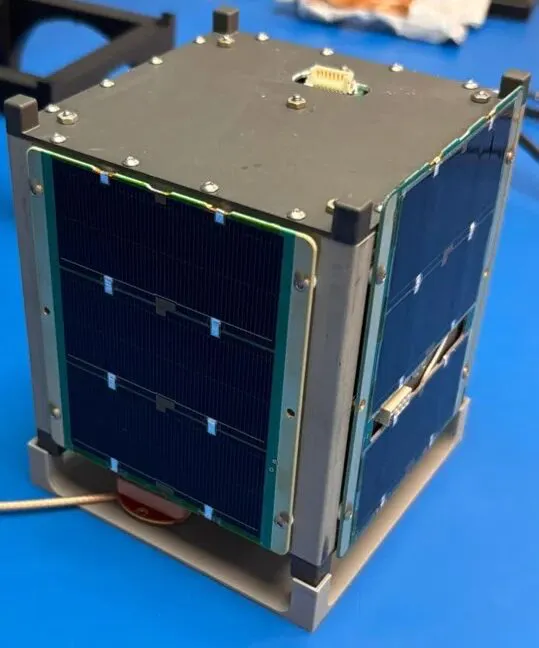
In a groundbreaking achievement for the aerospace industry, Miami-based City Labs has successfully launched the BOHR satellite, touted as the first commercial nuclear-powered satellite in history. This innovative satellite represents a leap forward in the application of nuclear technology for space exploration and commercialization, showcasing a new era where nuclear power could potentially fuel deep-space missions, lunar bases, and beyond.
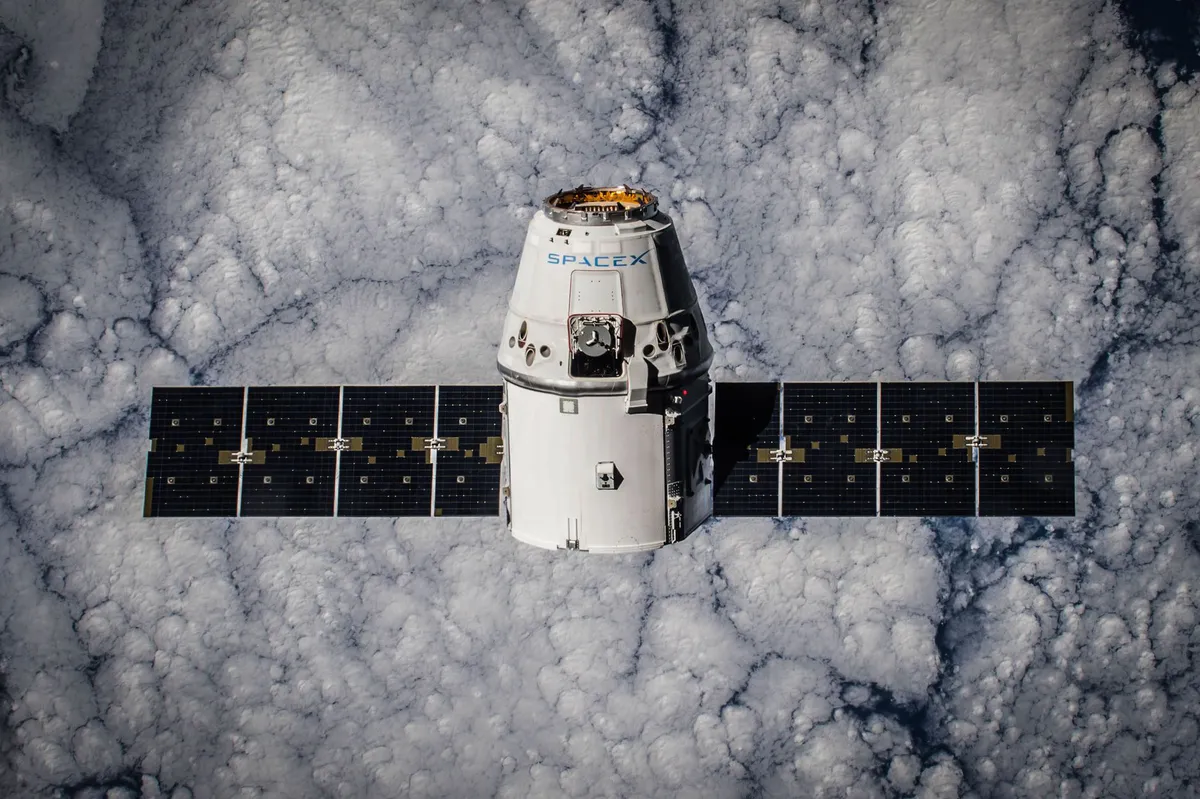
The BOHR mission, which stands for Betavoltaic Orbital High-Reliability, marks a significant milestone in the quest for reliable power sources in space. The satellite was launched aboard a SpaceX Falcon 9 rocket on a rideshare mission that included 80 other payloads. It was deployed into an orbit between 350 and 400 miles (approximately 600 kilometers) above Earth, demonstrating the viability of harnessing nuclear energy in a compact form factor.
Understanding the Technology Behind BOHR
City Labs has chosen to utilize a nuclear betavoltaic battery for the BOHR satellite, a technology that harnesses the decay of tritium, a radioactive isotope of hydrogen, to generate electricity. This method of power generation is particularly well-suited for low-power applications that require a dependable, long-lasting energy source. The architecture of the satellite follows the 1U CubeSat form factor, a compact design that measures roughly the size of a softball.
Advantages of Betavoltaic Batteries
Betavoltaic batteries offer several compelling advantages for space applications:
- Longevity: These batteries can operate for many years without requiring significant maintenance or replacement.
- Compact Size: Their small form factor makes them ideal for integration into CubeSats and other small spacecraft.
- Independence from Solar Energy: Unlike solar panels, betavoltaic systems are not limited by sunlight availability, which is crucial for missions in shadowed areas of celestial bodies like the Moon.
Peter Cabauy, CEO of City Labs, emphasized the significance of this technology, stating, “BOHR demonstrates that safe, compact, and regulatory-approved nuclear power systems are ready for routine commercial deployment.” This statement underlines the potential for nuclear technology to enable persistent, always-on operations in space, significantly enhancing mission capabilities.

The Future of Nuclear Power in Space
The implications of the BOHR mission extend far beyond its immediate capabilities. City Labs is actively exploring the application of its NanoTritium power technology for a variety of sectors, including:
- Remote Terrestrial Sensors: Utilizing betavoltaic systems in extreme conditions, such as undersea or polar environments, where conventional power sources are unfeasible.
- Medical Devices: Research is underway to use this technology to power implantable medical devices, which could revolutionize healthcare.
- Space Exploration: NASA has shown interest in using tritium power sources to support sensor networks on the Moon, particularly in permanently shadowed craters where sunlight is absent.
In addition to NASA, the U.S. Air Force and Space Force are collaborating with City Labs on various research contracts, underscoring the broad interest in nuclear power technology for national security and scientific applications. This includes projects aimed at creating a self-powered wireless imaging sensor and developing a tritium AA battery for cryptographic devices.

Navigating Regulatory Challenges
One of the most significant hurdles for commercial nuclear-powered space missions has been regulatory compliance. Until now, nuclear-powered spacecraft have primarily been the domain of government agencies like NASA and the military. The BOHR satellite is notable for being the first commercial nuclear mission to successfully navigate the Federal Aviation Administration's (FAA) nuclear launch approval process.
The regulatory landscape is complex, particularly for projects involving radioactive materials. The FAA's approval was facilitated by the minimal amount of radioactive material carried by the BOHR satellite, as well as the lower toxicity of tritium compared to more traditional nuclear fuels like plutonium or uranium. Tritium emits weak radiation that is relatively safe; it produces low-energy beta particles that do not travel far in air and cannot penetrate skin, according to the Nuclear Regulatory Commission.
Potential Applications Beyond Space
While the immediate focus of City Labs is on space applications, the technology behind the BOHR satellite has the potential for broader implications on Earth. The small scale and reliability of betavoltaic systems make them ideal for powering devices in remote or inhospitable environments. This could include:
- Powering remote sensors used in environmental monitoring.
- Supplying energy to communications devices in disaster-stricken areas where traditional power sources are compromised.
- Enabling long-term monitoring of critical infrastructure without the need for regular maintenance or battery changes.
The versatility of this technology opens new avenues for innovation and efficiency, particularly in sectors where reliable power is paramount.
Key Takeaways
- City Labs has launched BOHR, the first commercial nuclear-powered satellite, representing a historic milestone.
- The satellite utilizes a nuclear betavoltaic battery, providing reliable power independent of solar energy.
- This mission navigates complex regulatory processes, paving the way for future commercial nuclear space applications.
- Potential applications of this technology extend beyond space, impacting various sectors on Earth.
Frequently Asked Questions
What makes the BOHR satellite significant in the context of space exploration?
The BOHR satellite is significant because it is the first commercial nuclear-powered spacecraft, highlighting the potential for nuclear energy to provide reliable, long-lasting power in space. This capability is critical for future missions to the Moon and beyond, where traditional solar power may not be sufficient.
How does a betavoltaic battery work?
A betavoltaic battery generates electricity by harnessing the energy released during the decay of radioactive isotopes, in this case, tritium. This process allows the battery to produce a stable and consistent power output over extended periods, making it ideal for applications that require long-lasting energy without maintenance.
What are the safety considerations associated with launching nuclear-powered satellites?
Safety is a paramount concern when it comes to launching nuclear-powered satellites. The BOHR mission was designed to minimize risk by utilizing a small amount of tritium, which emits low-energy radiation that is less harmful than other nuclear materials. Additionally, regulatory bodies like the FAA and the Nuclear Regulatory Commission enforce strict guidelines to ensure safety during launch and operation.
How could this technology impact industries on Earth?
The technology demonstrated by the BOHR satellite has the potential to revolutionize various industries on Earth, particularly in remote or challenging environments. By providing a reliable power source for sensors, communications devices, and medical applications, betavoltaic systems can enhance efficiency and reduce reliance on conventional power sources, thereby driving innovation across numerous sectors.
Comments
Manna Aero Charts Ambitious U.S. Expansion in Drone Delivery Market
Manna Aero, an Irish startup specializing in drone delivery, is set to establish a significant presence in the U.S. With plans for a manufacturing hub in Oklahoma and a workforce of 1,000, the company aims to compete with industry giants.

Related articles

Popular in Cloud Computing
- SK Hynix's Historic $26.5 Billion IPO: A New Era for Memory Chips
- Kubernetes and the Future of Desktop Infrastructure: A Paradigm Shift
- Amazon Expands Partnership with Nvidia, Tripling GPU Orders Amid AI Demand Surge
- Elon Musk's Evolving Relationship with Anthropic: A New Era for AI Hosting
- Emerging Rocket Launches: A New Era for Space Exploration