Anthropic's Opus 5: A Game-Changer in AI Model Development
Anthropic has unveiled Opus 5, an advanced AI model that promises better performance and fewer restrictions compared to its predecessor, Fable 5. This article explores its features, implications for users, and what it means for the AI landscape.

In a significant move in the artificial intelligence landscape, Anthropic has launched its latest model, Opus 5, which promises to surpass its predecessor, Fable 5, in performance and usability while offering a more cost-effective solution for developers and businesses alike. Announced on July 24, 2026, Opus 5 is not just another iteration; it represents a thoughtful evolution in AI capabilities, particularly in the context of privacy and usability. With just two months since the debut of Opus 4.8, this rapid succession of releases underscores Anthropic's commitment to innovation and responsiveness to market needs.
What makes Opus 5 stand out is its combination of enhanced performance metrics and reduced restrictions, both of which are crucial for a variety of applications—from software development to cybersecurity. Notably, Opus 5 has shown superior results on multiple benchmarks compared to Fable 5, making it an attractive option for developers looking to leverage cutting-edge AI technology without the cumbersome limitations often associated with AI models.
Performance Enhancements: What to Expect from Opus 5
Anthropic has emphasized that Opus 5 excels in several important areas, particularly in its ability to verify outputs and iterate effectively. This capability is crucial for tasks requiring precision and refinement, such as coding and data analysis. For example, during benchmark testing, Opus 5 successfully generated its own computer vision pipeline in response to an incomplete prompt. This ability not only highlights the model's advanced reasoning skills but also its adaptability in real-world scenarios.
Comparative Performance with Previous Models
While Opus 5 is smaller than Fable 5, its performance metrics tell a different story. Here are some key takeaways:
- Benchmark Success: Opus 5 outperformed Fable 5 in various tests, emphasizing its efficiency and accuracy.
- Cost-Effectiveness: Priced lower than Fable 5, Opus 5 makes advanced AI technology accessible to a broader audience.
- Iterative Learning: Its ability to learn from incomplete data sets positions it as a powerful tool for developers.

Privacy and Security: Navigating the New Safeguards
One of the most significant concerns for users of AI models has been data privacy and security. Anthropic has taken this into consideration by ensuring that Opus 5 is free from many of the restrictions that characterized Fable 5. Notably, Opus 5 does not adhere to the 30-day data retention policy that raised eyebrows among privacy advocates. This change could significantly enhance user trust and expand the model's applicability in sensitive environments.
Safeguards and Security Features
Despite these advancements, Anthropic has maintained critical safeguards, particularly around cybersecurity tasks. For instance, while Opus 5 cannot be employed to scan for vulnerabilities in software binaries, it is permitted to search for vulnerabilities in source code. This distinction is essential as it aligns with defensive security measures that organizations need to adopt. Additionally, Anthropic has made strides to reduce the frequency of classifier engagements, which will occur 85% less often than with Fable 5, indicating a more nuanced approach to AI safety.

Introducing Automatic Fallbacks: A New User Experience
To further enhance user experience, Anthropic has introduced a beta feature called Automatic Fallbacks. This innovative tool allows users to opt into automatic rerouting of requests to a less powerful model when the primary model triggers a safety classifier. This means that instead of receiving an error message, users will get a functional response, thereby minimizing downtime and enhancing productivity. Such features are critical for businesses that rely on AI for real-time decision-making processes.
Benefits of Automatic Fallbacks
The introduction of Automatic Fallbacks brings several advantages:
- Improved User Experience: Reduces the frustration associated with encountering error messages.
- Continuous Operation: Ensures that workflows remain uninterrupted, which is vital for business continuity.
- Flexibility: Offers users the ability to adapt their AI usage according to their specific needs and situations.
Market Context: Why This Launch Matters
The launch of Opus 5 comes at a time when the demand for AI solutions is escalating across industries. Organizations are increasingly looking for tools that can not only enhance productivity but also comply with stricter data privacy regulations. With competitors like OpenAI and Google continually pushing the boundaries of AI capabilities, Anthropic's move to release Opus 5, with its unique features and lower restrictions, positions it well in a crowded marketplace.
Implications for Businesses and Developers
For businesses, adopting Opus 5 means access to a powerful tool that can streamline operations, enhance decision-making, and facilitate innovation. Developers may find Opus 5 particularly compelling due to its flexibility and performance enhancements. As companies continue to confront challenges related to data privacy and security, the model's safeguards signal a responsive approach to these pressing concerns.
Key Takeaways
- Opus 5 offers enhanced performance, outperforming Fable 5 on various benchmarks.
- It features fewer restrictions, particularly regarding data privacy, making it more user-friendly.
- The introduction of Automatic Fallbacks enhances user experience by minimizing disruptions.
- Opus 5's unique safeguards ensure responsible AI usage, particularly in cybersecurity.
Frequently Asked Questions
What are the key differences between Opus 5 and Fable 5?
Opus 5 differs from Fable 5 in several significant ways. Primarily, Opus 5 is smaller and less restrictive, making it a more affordable option for users. Additionally, it has demonstrated superior performance on multiple benchmarks, indicating that it can handle complex tasks more efficiently. Furthermore, Opus 5 does not have the same stringent data retention policies that limited Fable 5, which may appeal to privacy-conscious users.
How does Opus 5 address data privacy concerns?
Opus 5 addresses data privacy concerns by eliminating the 30-day data retention policy that was a source of unease for users of Fable 5. This change allows for greater user control over their data and increases trust in the model. However, Anthropic has still implemented safeguards to ensure that the model is used responsibly, particularly in high-stakes areas like cybersecurity.
What is the significance of the Automatic Fallbacks feature?
The Automatic Fallbacks feature is crucial for improving the user experience. By allowing requests to be routed to a less powerful model when safety classifiers are triggered, it reduces the likelihood of users encountering error messages. This ensures that workflows remain uninterrupted, which is particularly beneficial for businesses relying on AI for real-time operations and decision-making.
Comments
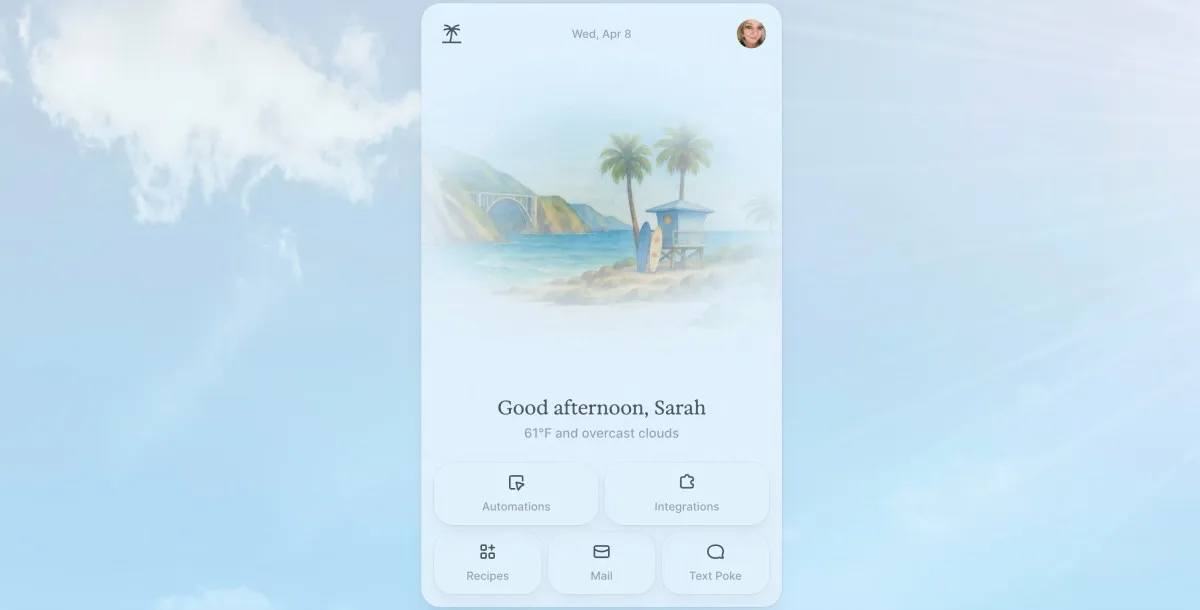
Cognition Acquires Poke: The Future of AI Personalities in Technology
Cognition's acquisition of Poke marks a pivotal development in the evolution of AI, emphasizing the importance of personality in user interactions. This article explores the implications of this acquisition for the tech landscape.
Related articles


Popular in AI Tools
- OpenAI's GPT-Live: Transforming Voice Interaction with AI
- SpaceX's Grok 4.5: Disruption in AI Coding at Unmatched Prices
- Gaming Data: The Future of Training AI for General Intelligence
- OpenAI's GPT-5.6: A New Era for Microsoft Copilot and Beyond
- The AI Deployment Dilemma: Balancing Autonomy and Governance