Cognition Acquires Poke: The Future of AI Personalities in Technology
Cognition's acquisition of Poke marks a pivotal development in the evolution of AI, emphasizing the importance of personality in user interactions. This article explores the implications of this acquisition for the tech landscape.
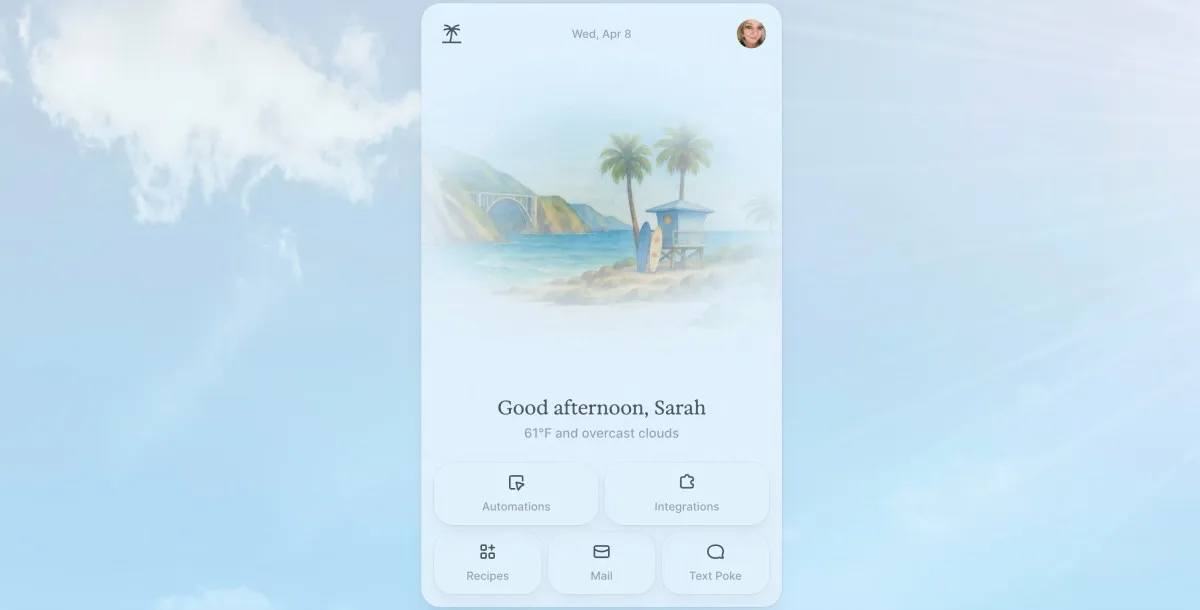
In a significant move reshaping the landscape of artificial intelligence (AI) and user interaction, Cognition, a prominent AI coding startup, has acquired Poke, an AI assistant designed for casual and friendly engagement. Valued in the low nine figures, this acquisition highlights a growing trend in the tech industry where personality and user experience are becoming critical competitive advantages. The implications of this deal extend beyond the companies involved, promising to influence how users interact with technology in everyday tasks.
The Interaction Company of California, creators of Poke, have developed an AI that communicates with users in a relatable and personable manner, reminiscent of chatting with a friend rather than interacting with a lifeless tool. This approach aims to create a sense of camaraderie and ease, which could enhance productivity and user satisfaction. As Cognition integrates Poke’s interaction model into its coding assistant, Devin, the potential to redefine user engagement in the tech sector is immense.
The Rise of AI Personalities
Historically, AI assistants have functioned primarily as task-oriented tools, executing commands with little to no personality. However, the development of Poke marks a pivotal shift in this paradigm. The AI’s ability to incorporate humor, slang, and a friendly demeanor into its interactions has set it apart in a crowded market. Marvin von Hagen, co-founder of The Interaction Company, emphasizes that users prefer engaging with technology that feels human-like, suggesting that an AI with personality can enhance user experience significantly.
As more companies recognize the value of personality in AI, we may see a broader shift towards more engaging and relatable interfaces. This trend indicates that the future of AI is not just about efficiency but also about how enjoyable and relatable the experience can be for users.

Cognition’s Strategic Vision
Cognition’s acquisition of Poke is not merely a financial transaction; it reflects a strategic vision to enhance its coding assistant, Devin. By integrating Poke's advanced interaction model, Cognition aims to create an AI that feels like a colleague rather than just software. Scott Wu, co-founder of Cognition, expressed that the goal is to make Devin proactive and enjoyable to interact with, mirroring the positive experiences users have with Poke.
This strategic integration could lead to a more collaborative work environment where AI assists in coding processes while also fostering a sense of connection and humor. As Wu noted, the Interaction team has built an agent that people love, which aligns perfectly with Cognition's mission to redefine how users perceive and interact with coding assistants.

Challenges and Opportunities Ahead
Despite its popularity, Poke has faced operational challenges, primarily related to profitability. Von Hagen pointed out that while Poke had amassed hundreds of thousands of users, the costs associated with running the platform remained high. This acquisition could provide the necessary resources and infrastructure to optimize operations and improve profitability.
- Key Challenges:
- High operational costs affecting profitability
- Need for scalable infrastructure to support growing user base
- Balancing personality with functionality in AI interactions
With Cognition's resources, Poke can leverage new software engineering models, such as SWE-1.7, to enhance performance and reliability. The collaboration also opens opportunities for innovative features, such as Poke orchestrating multiple coding tasks within Devin, making it a more efficient assistant for software engineers.
The Future of AI Interaction Models
The potential for merging Poke’s personable interaction style with Devin’s coding capabilities presents exciting opportunities for both companies. As noted by von Hagen, the long-term vision includes creating a more reliable AI capable of managing complex tasks across different sessions, enhancing the overall user experience.
The integration of these technologies could lead to AI that not only assists with coding but also remembers user preferences and past interactions, effectively becoming a persistent co-worker. This evolution could drastically change the perception of AI in the workplace, moving it from a tool to an integral part of the team.
Key Takeaways
- Cognition's acquisition of Poke highlights the importance of personality in AI interactions.
- Poke aims to enhance user experience through relatable, friendly communication.
- The deal allows Cognition to improve its coding assistant, Devin, with enhanced capabilities.
- Operational challenges for Poke may be mitigated through Cognition's infrastructure and resources.
- The collaboration could redefine AI's role in the workplace, making it feel more human-like.
Frequently Asked Questions
What does the acquisition of Poke by Cognition mean for users?
For users, the acquisition signifies a forthcoming enhancement in how they interact with AI. Cognition intends to integrate Poke's friendly conversational style into its coding assistant, Devin, which could make coding and project management more enjoyable and collaborative. Users can expect a more engaging experience that feels akin to working alongside a colleague rather than just utilizing a tool.
How will this acquisition affect the future of AI development?
This acquisition could set a precedent in the AI industry, emphasizing the need for personality in AI interactions. Companies may increasingly focus on creating AI that not only performs tasks but also engages users in a relatable manner. This shift could lead to more advanced AI systems that prioritize user experience and emotional intelligence alongside functionality.
What challenges does Poke face moving forward?
Despite its popularity, Poke faces challenges related to high operational costs and profitability. The integration with Cognition may help address these issues, but it will require careful management and innovation to ensure the platform remains sustainable while continuing to grow its user base.
How can users expect Poke and Devin to evolve together?
In the future, users can anticipate a seamless integration of Poke’s personable interaction style with Devin’s coding capabilities. As both platforms evolve, they could lead to an AI that remembers user preferences and can manage multiple tasks effectively, creating a more cohesive and efficient user experience.
Comments
Anthropic's Opus 5: A Game-Changer in AI Model Development
Anthropic has unveiled Opus 5, an advanced AI model that promises better performance and fewer restrictions compared to its predecessor, Fable 5. This article explores its features, implications for users, and what it means for the AI landscape.

Related articles


Popular in AI Tools
- OpenAI's GPT-Live: Transforming Voice Interaction with AI
- SpaceX's Grok 4.5: Disruption in AI Coding at Unmatched Prices
- Gaming Data: The Future of Training AI for General Intelligence
- OpenAI's GPT-5.6: A New Era for Microsoft Copilot and Beyond
- The AI Deployment Dilemma: Balancing Autonomy and Governance