Zuckerberg’s Superyacht Incident Raises Questions on Maritime Responsibility
Mark Zuckerberg's superyacht, Launchpad, faced backlash after failing to assist stranded boaters, igniting discussions about maritime law and billionaire accountability.
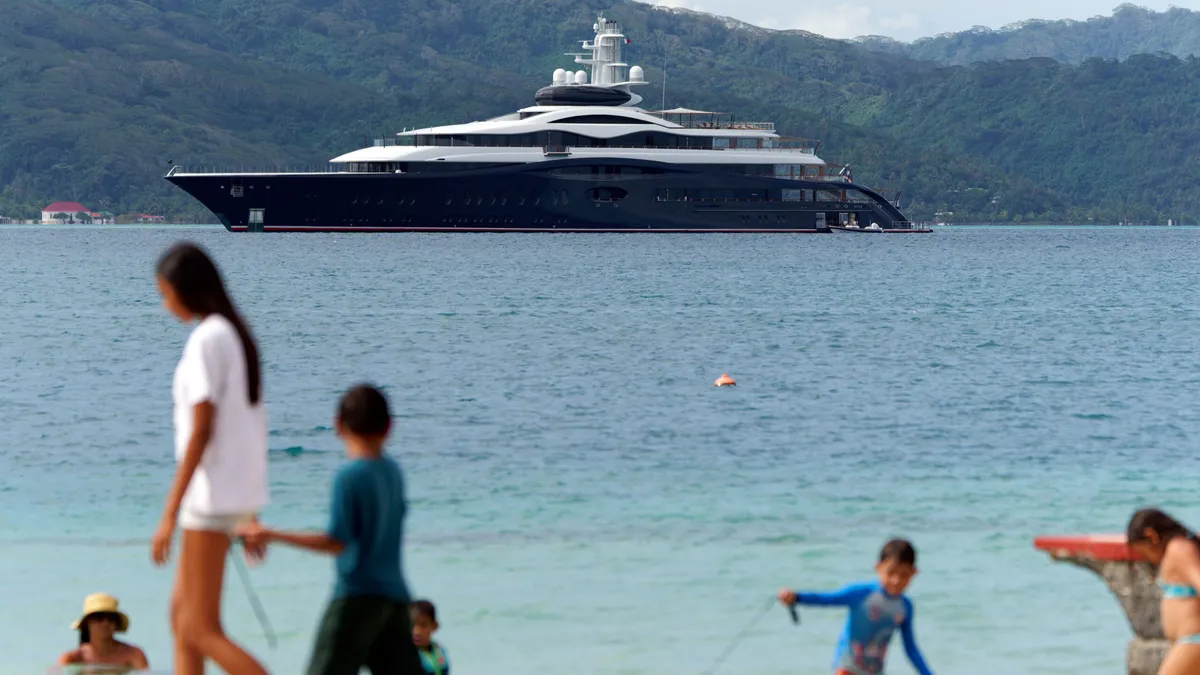
In a striking incident off the coast of Alaska, Mark Zuckerberg’s $300 million superyacht, Launchpad, has become a focal point of controversy after it allegedly ignored a distress call from the U.S. Coast Guard. This incident has sparked widespread criticism, raising questions about the responsibilities of wealthy yacht owners and the adherence to maritime law. The events unfolded when a smaller vessel carrying two women, a child, and a dog found itself stranded, prompting the Coast Guard to reach out for assistance. The ensuing drama has not only drawn public scrutiny but also highlighted the complex interplay of technology, responsibility, and law at sea.
The incident came to light through social media, with Michael Love, a passenger on the Wilderness Legacy, a nearby replica steamship, sharing the story on the platform Bluesky. Love's post captured the shock and dismay of passengers aboard the Wilderness Legacy as they learned that Zuckerberg’s Launchpad had failed to respond to the Coast Guard’s call for help. While the Coast Guard had determined that the stranded vessel was not in distress, it nonetheless issued a call for voluntary assistance from nearby vessels. Given the circumstances, the lack of response from Launchpad is particularly disconcerting.
The Sequence of Events
The timeline of this incident is critical to understanding the implications of maritime law. At 9:32 PM on August 3, the U.S. Coast Guard received a call from the stranded skiff near Point Highland, Alaska. After assessing the situation, they concluded that the vessel was not in immediate distress, which legally absolved nearby ships, including Launchpad and its support vessel Wingman, from a mandatory obligation to assist. Instead, the Coast Guard issued a marine assistance request broadcast, effectively calling for voluntary help from other nearby vessels.
As per ship-tracking data, Launchpad was initially moving ahead of the Wilderness Legacy but subsequently slowed down and allowed the steamship to pass. The Wilderness Legacy then successfully towed the stranded skiff to safety, demonstrating the potential for cooperation at sea. The incident raised eyebrows when it was revealed that Launchpad and Wingman, equipped with state-of-the-art technology, did not engage with the urgent calls made by the Coast Guard.
Public Backlash and Criticism
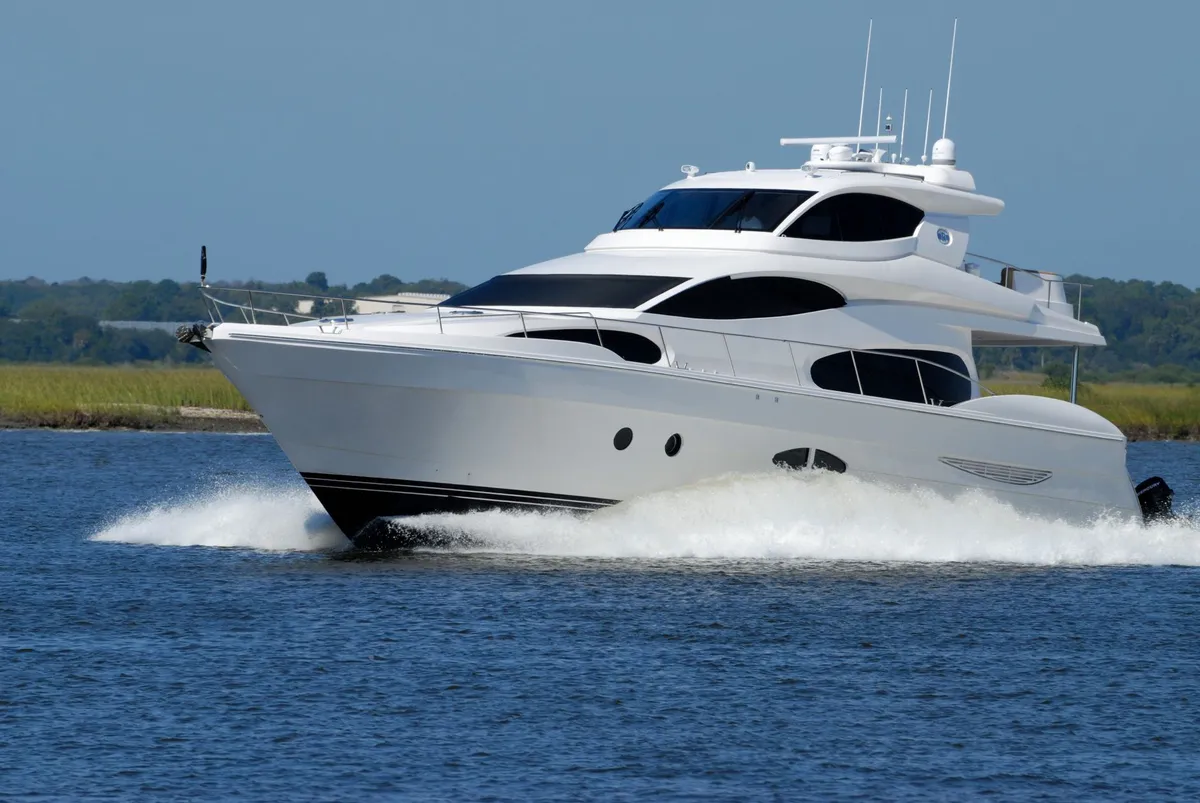
The public reaction has been overwhelmingly critical of Zuckerberg’s superyacht. Passengers aboard the Wilderness Legacy reportedly expressed their frustration, with Love stating that there was “near unanimous booing” when the ship’s captain announced Launchpad's lack of assistance. Senator Sheldon Whitehouse of Rhode Island also chimed in, questioning whether billionaires like Zuckerberg adhere to basic maritime safety protocols. His Facebook post pointed out that vessels are required to monitor emergency channel 16 at all times, highlighting a potential breach of maritime etiquette by Launchpad.
Critics argue that the incident is emblematic of a broader issue regarding accountability among billionaires. When individuals of significant wealth and influence fail to act in emergency situations, it raises ethical questions about their responsibility towards others in distress. Furthermore, this incident has reignited discussions about the societal expectations placed upon individuals with substantial resources.
Understanding Maritime Laws and Regulations
The legal landscape governing maritime incidents is complex. Under international maritime law, vessels are required to assist those in distress if they are aware of the situation and if assistance can be provided without endangering their own crew and vessel. In this case, the Coast Guard's assessment that the stranded skiff was not in distress legally freed nearby vessels from a duty to respond. However, this does not absolve them from a moral or ethical obligation to assist fellow mariners in peril.
Maritime radio protocols dictate that vessels maintain a watch on channel 16, which is reserved for emergency communications. The failure of Launchpad’s crew to monitor this channel raises questions about their operational procedures. As noted by maritime experts, it is standard practice for vessels, especially luxury yachts with advanced technology, to have multiple radios on the bridge capable of monitoring emergency frequencies. The excuse provided by Zuckerberg's spokesperson—that the crew was operating on a different channel and did not hear the Coast Guard's initial call—has been met with skepticism.
Technology and Responsibility at Sea
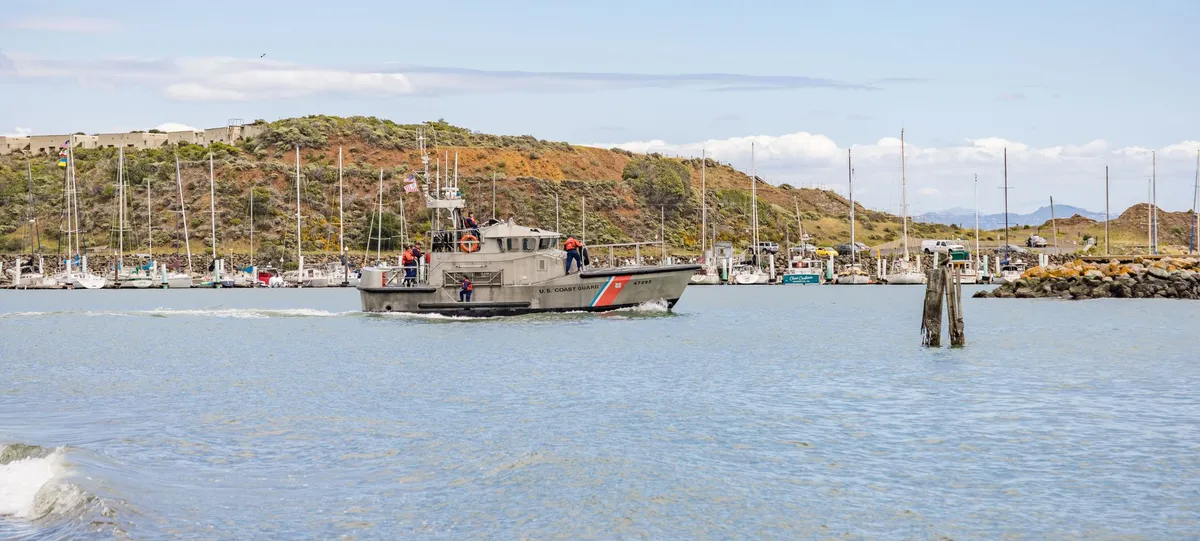
The incident also highlights the role of technology in contemporary maritime operations. Launchpad is equipped with sophisticated navigation and communication systems, including the Automatic Identification System (AIS), which allows vessels to track one another and communicate their positions. While the vessel had previously been criticized for turning off its AIS transponder, the technology should have facilitated effective communication and awareness of surrounding maritime activity.
The failure to respond to a distress call raises questions about the operational readiness of high-end yachts. Marine experts emphasize that luxury vessels often come with extensive safety equipment, including VHF radios, which should be actively used to monitor emergency communications. The absence of a response from Launchpad exemplifies a potential neglect of these responsibilities, which could have dire consequences in real emergencies.
Implications for Yacht Owners and Future Incidents
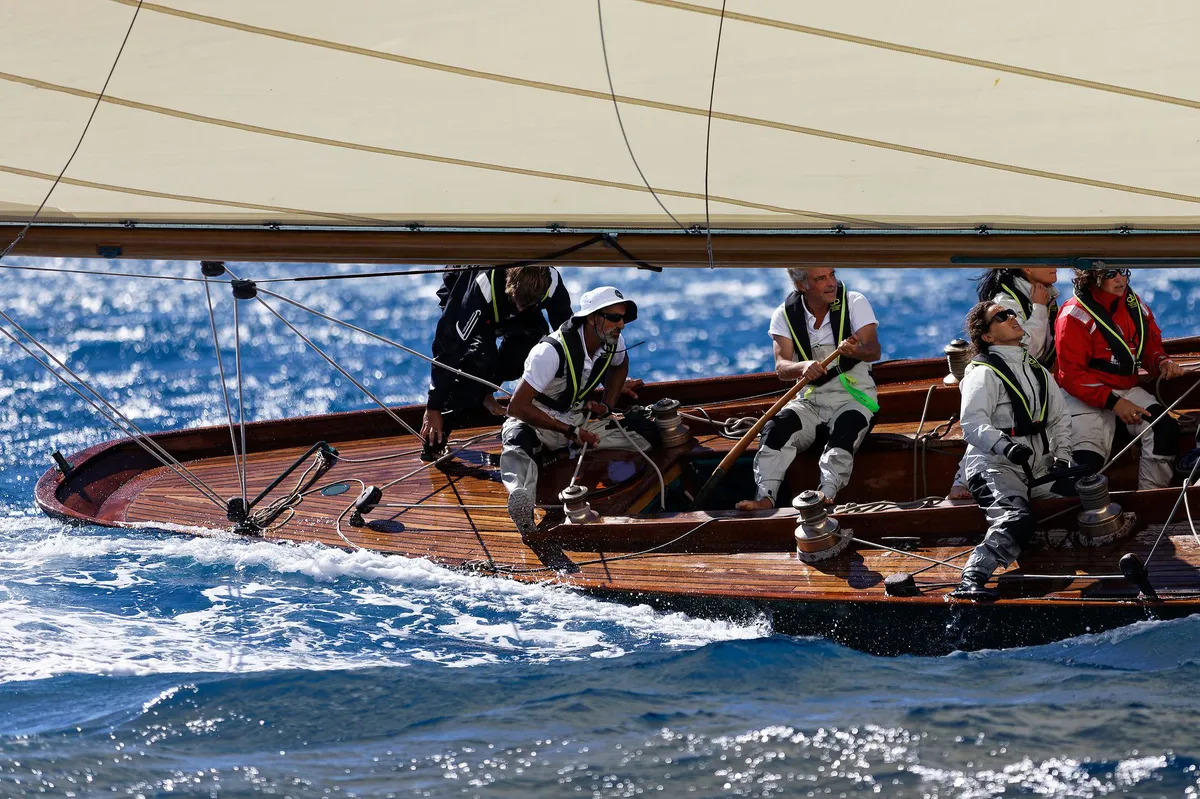
This incident serves as a stark reminder of the responsibilities that come with yacht ownership, particularly for high-profile individuals like Zuckerberg. The scrutiny surrounding this event may prompt changes in how yacht owners and their crews approach safety protocols. There is a pressing need for yacht owners to recognize their potential influence and responsibility in maritime environments, particularly when they have the means to assist those in distress.
As the narrative unfolds, it remains to be seen whether this incident will lead to greater accountability and adherence to maritime law among yacht owners. The public discourse surrounding this controversy may encourage a reevaluation of practices not only amongst high-profile yacht owners but also within the broader community of recreational boating. Ultimately, the expectations for safety and responsibility at sea must reflect the values of society, emphasizing the importance of helping those in need, regardless of legal obligation.
Key Takeaways
- Zuckerberg’s superyacht, Launchpad, failed to assist stranded boaters, raising ethical questions.
- The U.S. Coast Guard determined the stranded vessel was not in distress, freeing nearby vessels from a legal obligation to help.
- Criticism has focused on the responsibility of wealthy yacht owners to assist those in peril.
- Maritime law mandates monitoring of emergency channels, a practice that Launchpad allegedly neglected.
- This incident may prompt reevaluation of safety protocols among yacht owners and their crews.
Frequently Asked Questions
What are the legal obligations for vessels in distress?
Under international maritime law, vessels are required to assist those in distress if they are aware of the situation and can do so without endangering themselves. However, if the Coast Guard determines that a vessel is not in distress, as was the case with the skiff in this incident, nearby vessels are not legally obligated to assist. This legal framework aims to balance the need for safety with the realities of maritime operations.
How should yacht owners prepare for emergencies at sea?
Yacht owners should ensure that their vessels are equipped with the necessary safety and communication equipment, including VHF radios that can monitor emergency channels. Regular training for crew members on emergency protocols and communication practices is also essential. Owners must recognize their moral responsibility to assist fellow mariners whenever possible, fostering a culture of safety and readiness on board.
What are the implications of ignoring emergency calls at sea?
Ignoring emergency calls at sea can have serious implications, both legally and ethically. While a vessel may not be legally obligated to respond if the situation is assessed as non-distress, the failure to assist can result in reputational damage and public backlash, particularly for high-profile individuals. Additionally, it could set a concerning precedent regarding the responsibilities of wealth and privilege in emergency situations.
How can technology improve maritime safety?
Advancements in technology, such as AIS and enhanced communication systems, can significantly improve maritime safety by allowing vessels to track one another and communicate effectively. Regular updates and training on using these technologies are crucial for yacht crews to ensure they are prepared for emergencies. Furthermore, integrating these technologies into operational protocols can enhance situational awareness and responsiveness in critical situations.
Comments
Popular in Web Hosting
- Google's New Tool Helps Publishers Combat AI Traffic Declines
- HyperTexting: Reinventing Web Browsing with a Social Media Twist
- The Evolution of Web Browsers: Alternatives to Chrome and Safari in 2026
- Navigating the New AI-Driven Web Landscape: What It Means for Businesses
- Reddit's Old Version Faces Uncertain Future Amid Major Changes