The Electric Vehicle Dilemma: Why GM and Ford are Quieting Down
Once leaders in the electric vehicle (EV) race, GM and Ford are drastically reducing their focus on EVs in recent earnings calls, reflecting a significant shift in strategy. This article explores the implications of this change and what it means for the future of EVs in America.
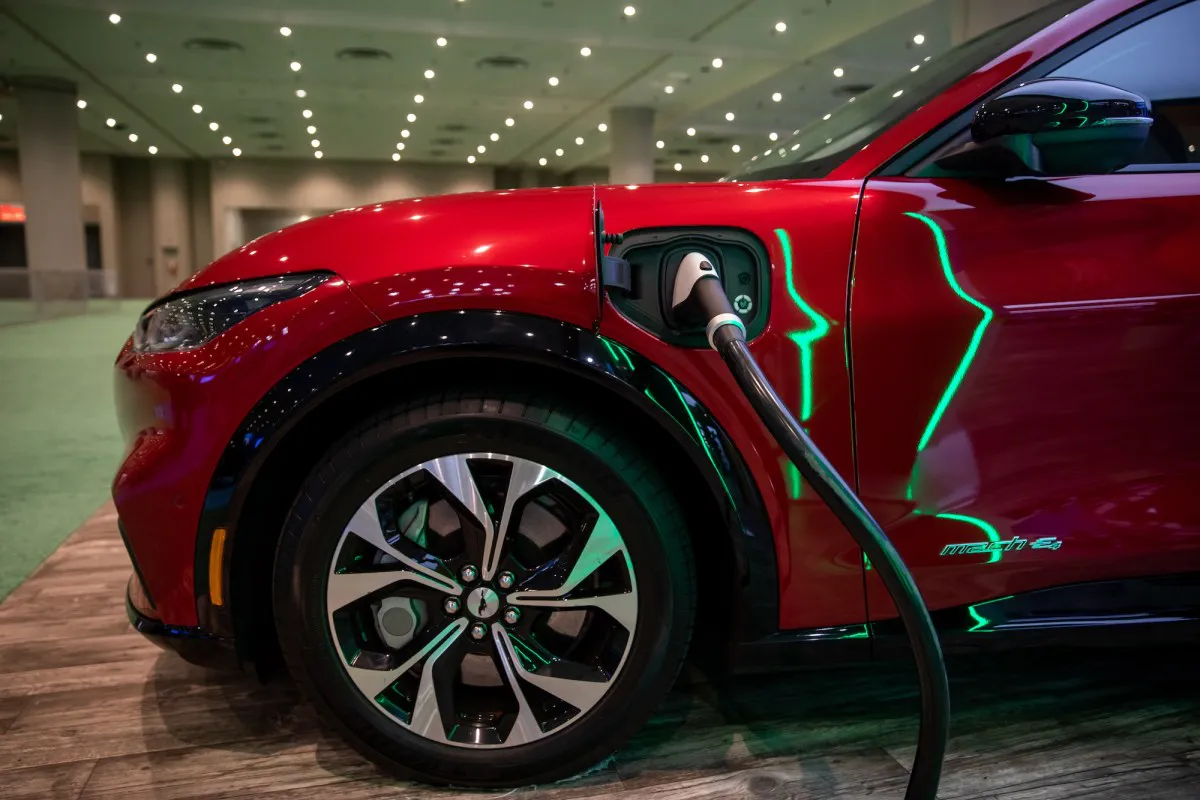
In the rapidly evolving landscape of the automotive industry, electric vehicles (EVs) once stood as the pinnacle of innovation, promising a sustainable future for transportation. General Motors (GM) and Ford, two of America’s largest automakers, were at the forefront of this movement just a few years ago, heavily investing billions into EV development and positioning themselves as leaders in the market. However, recent earnings calls reveal a startling shift: both companies are now discussing EVs far less frequently than they did prior to the pandemic. This decline in focus raises critical questions about the future of electric mobility in America and the strategies these automotive giants are adopting moving forward.
The Shift in Narrative
According to an analysis conducted by TechCrunch in partnership with Hudson Labs, a financial research firm, the frequency of mentions of electric vehicles during GM and Ford's quarterly earnings calls has significantly decreased over the years. The analysis reviewed transcripts from the past seven years, revealing a marked decline in EV-related discussions as both companies adapt to evolving market dynamics and investor interests.
During the peak of their EV enthusiasm in early 2021, GM and Ford dedicated nearly a third of their earnings calls to electric vehicles. For GM, this period coincided with the launch of its Bolt EV, which was introduced ahead of Tesla's Model 3. The automaker’s ambitious plans included transforming Cadillac into an all-electric brand and unveiling new models produced in the U.S. These efforts were met with considerable investor interest and public optimism about the future of EVs. However, as chip shortages and regulatory changes emerged, that enthusiasm began to wane.
External Factors Impacting EV Strategies
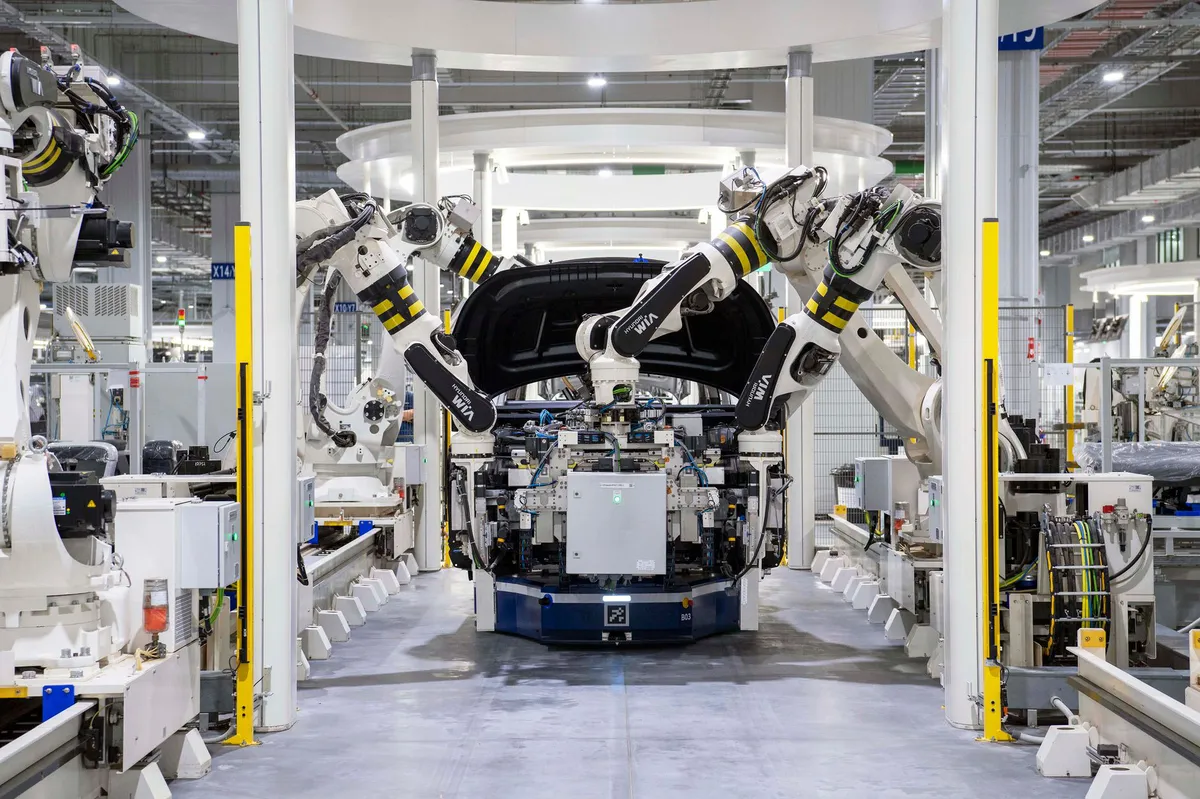
Several external factors have contributed to the current decline in EV discussions by GM and Ford. Firstly, the global semiconductor shortage severely hampered production capabilities, leading to delays in new model launches and a focus on existing profitable models instead. Moreover, the changing political landscape has played a pivotal role: the recent return of more protectionist policies under former President Trump has led to a rollback of incentives that previously bolstered the EV market, such as the $7,500 federal tax credit for new electric vehicles.
Additionally, as GM and Ford face increasing competition from both traditional automakers and new entrants like Tesla and Rivian, the need for differentiation has become more critical. Jim Cain, a spokesperson for GM, emphasized that the company is now prioritizing discussions about growth opportunities in software and autonomous technology, indicating a strategic pivot towards areas that promise higher profit margins while still addressing investor concerns about the company's operating performance.
Financial Implications of Reduced EV Focus
The financial implications of this shift are significant. With both GM and Ford scaling back their EV ambitions, investors are left pondering the future profitability of these companies. While GM remains the second-largest seller of EVs in the U.S., the company has recently aligned its manufacturing capabilities with changing regulatory policies rather than focusing on aggressive EV expansion. This change in strategy could potentially affect GM's stock performance, as investors often favor companies that are perceived to be at the forefront of growth industries.
- Market Adaptation: Both companies are adapting to current market demands, emphasizing profitability over aggressive expansion in the EV segment.
- Investment in Technology: GM and Ford are increasingly focusing on software, services, and autonomous vehicles as core areas of growth.
- Regulatory Challenges: Changes in government policy, particularly under the Trump administration, have impacted the viability of EV incentives and market dynamics.
Ford’s own financial outlook reflects a similar trend. The company is planning to launch its new Universal Electric Vehicle (EV) platform, which aims to streamline production across different models, yet the anticipated rollout has been pushed back, causing concern among investors regarding the timeline for profitability. CEO Jim Farley has expressed optimism about Ford's future in the EV space, but the reality remains that the company is currently prioritizing its more profitable gas-powered F-Series trucks.
Future of Electric Vehicles: What Lies Ahead?
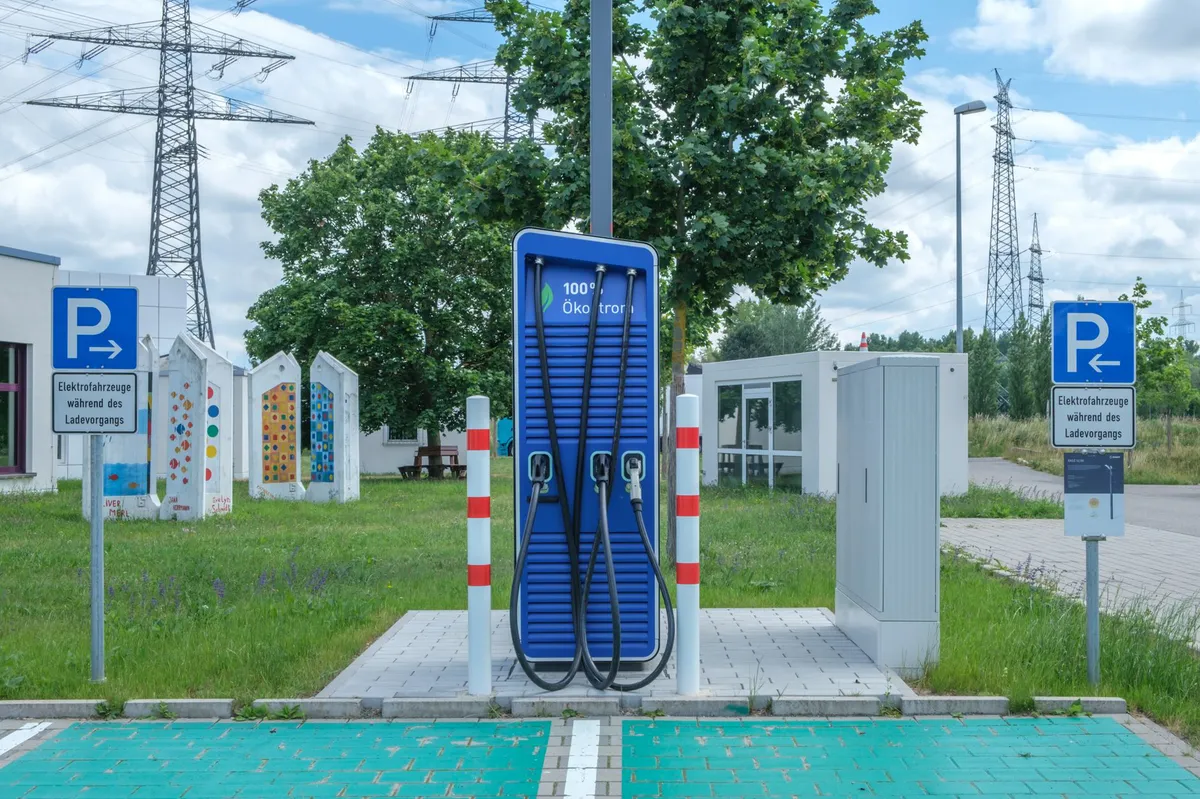
The future of electric vehicles in America is now at a crossroads. As GM and Ford recalibrate their strategies, the question arises: will they regain their footing in the EV market, or will they continue to lag behind more agile competitors? For now, both companies appear to be adopting a wait-and-see approach, making incremental adjustments rather than bold leaps into the electric future.
As the automotive landscape continues to evolve, it is essential for consumers and investors alike to remain informed about the shifting dynamics. With the market increasingly favoring companies that can adapt quickly to external pressures, GM and Ford's ability to innovate and respond to consumer demands will be crucial in determining their future success in the electric vehicle sector.
Key Takeaways
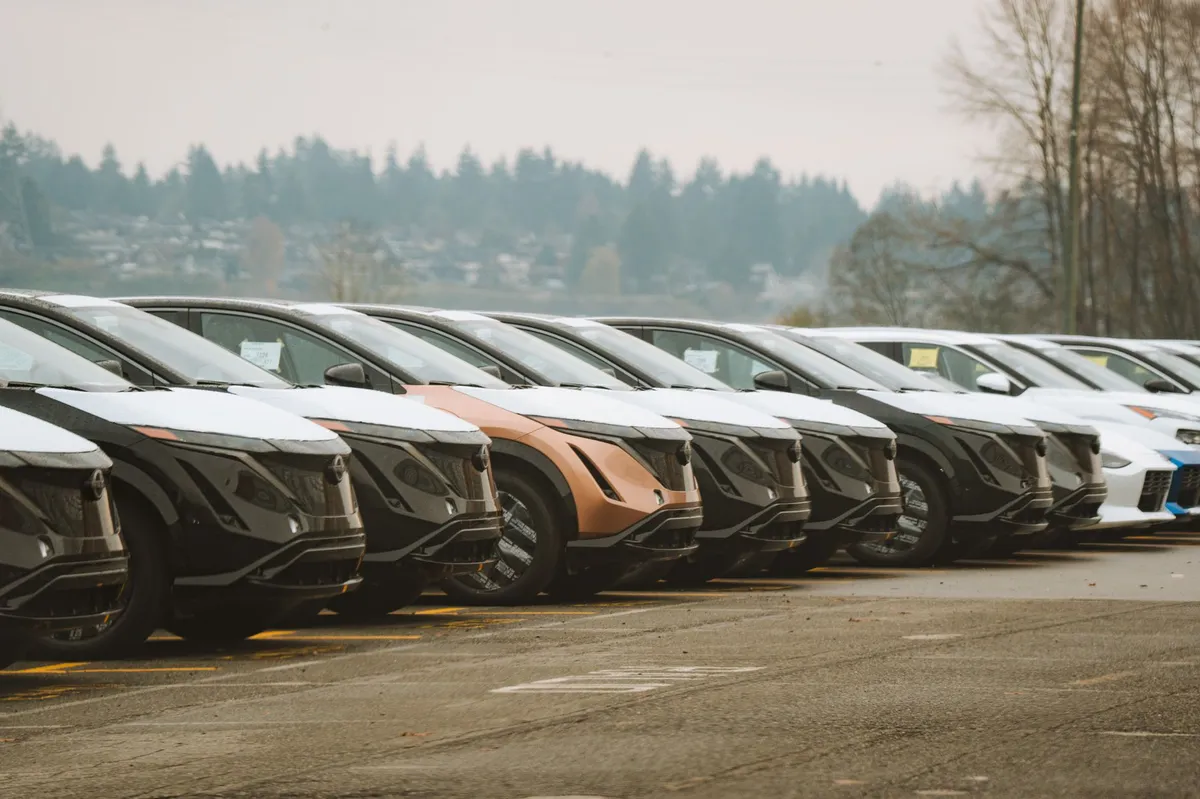
- GM and Ford are significantly reducing their focus on EV discussions during earnings calls, reflecting a strategic shift in response to market pressures.
- The decline in EV mentions comes amid external challenges, including semiconductor shortages and changing regulatory environments.
- Both companies are pivoting towards software and autonomous technologies as they navigate the evolving automotive landscape.
- Investors should keep a close eye on how these shifts impact the long-term profitability and market positioning of GM and Ford.
Frequently Asked Questions
What are the main reasons for GM and Ford's reduced focus on EVs?
The primary reasons for the reduced focus on electric vehicles by GM and Ford include external pressures such as global semiconductor shortages, changes in regulatory policies under different administrations, and a strategic pivot towards higher-margin areas like software and services. Both companies are prioritizing discussions that align with immediate profitability concerns rather than long-term EV growth.
How have investor sentiments changed regarding GM and Ford's EV strategies?
Investor sentiment appears cautious as GM and Ford pull back from ambitious EV plans. Investors are closely monitoring how these companies will adapt to the evolving automotive market and whether they can maintain competitive advantages against both traditional and new entrants in the EV space. A perceived lack of commitment to EVs may lead to skepticism regarding their long-term growth potential.
What is the future outlook for electric vehicles in the U.S. market?
The future outlook for electric vehicles in the U.S. market remains uncertain. While demand for EVs continues to grow, the strategies of established automakers like GM and Ford may significantly influence market dynamics. The emergence of new technologies, regulatory changes, and consumer preferences will play a critical role in determining the trajectory of EV adoption in the coming years. As competition increases, companies will need to innovate and adapt swiftly to meet market demands.
Comments
Reddit Embraces Video: A New Era of Engagement and Storytelling
Reddit is innovating its platform by introducing a video feature that allows users to watch and listen to viral posts, tapping into the popularity of content consumption seen on platforms like TikTok. This move reflects a broader trend in social media where short-form video content is becoming increasingly central to user engagement.

Related articles



Popular in SaaS Reviews
- Roost: The 'Slow-cial' App Redefining Digital Communication
- Uber's Expansion Beyond Ride-Hailing: The Future of Travel and Services
- Sweden's Startup Surge: The Forces Behind a Booming Ecosystem
- X's Algorithm Update: Creating a More Community-Focused Experience
- Elon Musk's Vision for X: Real-Time Misinformation Corrections via DMs