The New Breed of Young Founders: Navigating Success in Silicon Valley
Young founders in Silicon Valley are redefining entrepreneurship, facing unprecedented pressure and opportunity in the tech landscape. This article explores their challenges, successes, and the shifting dynamics of startup culture.

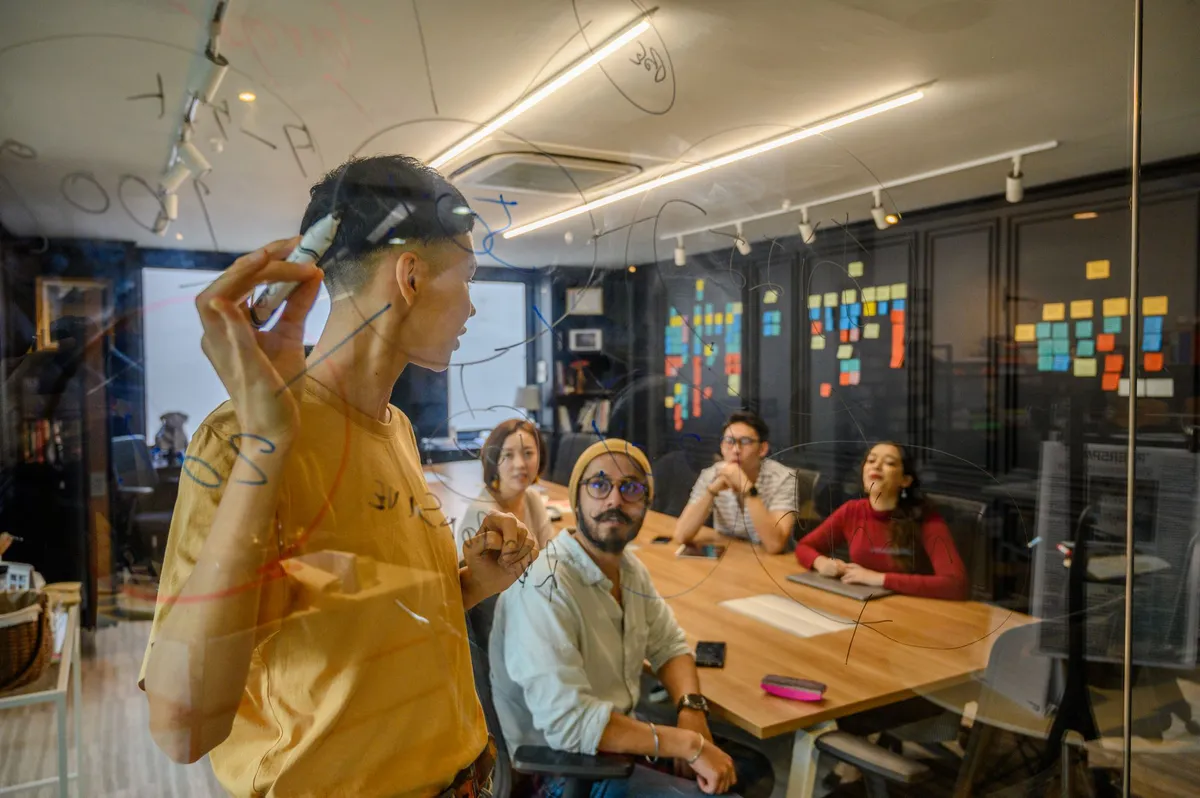
In the fast-paced world of Silicon Valley, age is both a weapon and a vulnerability for young founders. With the digital landscape evolving at breakneck speed, individuals as young as 19 are not only launching startups but also raising millions in funding and garnering attention from major investors. These young entrepreneurs, such as Arlan Rakhmetzhanov and Pranjali Awasthi, embody the new face of startup culture, where success is often measured in months rather than years. Yet, this newfound opportunity comes with intense pressure to deliver results, navigate social media scrutiny, and compete in an increasingly crowded marketplace.
Rakhmetzhanov, who began coding at 15 in Kazakhstan, has already achieved remarkable milestones. His company, Nozomio, an API index designed for AI agents, has raised over $6 million in funding. However, he feels the weight of expectation: “I either win or lose,” he states, reflecting a mindset shared by many young founders who believe that the stakes are high and the margins for error slim.
The Changing Landscape of Startup Culture
Historically, Silicon Valley investors have gravitated towards young founders, particularly those with resumes dotted with experience from tech giants like Google or Amazon. This trend has shifted significantly in recent years, largely due to the democratization of technology through AI tools and platforms. Today, young entrepreneurs can launch businesses without the traditional prerequisites of industry experience or extensive funding.
Emerging Opportunities
AI technology has lowered barriers to entry, allowing ambitious individuals to innovate rapidly. Platforms such as Y Combinator have become more accessible, with accelerators and incubators offering funding and mentorship to founders who may not yet have a college degree or corporate experience. As Ashley Smith, a general partner at Vermilion, notes, many young developers are now equipped with skills acquired through open-source contributions and personal projects.

Balancing Ambition with Reality
While the influx of capital into young startups is unprecedented, so is the expectation for rapid growth. The emphasis on achieving a “north star” metric—whether that’s user acquisition or revenue growth—has intensified. Smith points out that the startup ecosystem no longer tolerates the iterative learning process that once characterized early-stage companies. Instead, the pressure to deliver tangible results is immediate.
The Role of Social Media
Young founders are also grappling with the impact of social media on their ventures. The constant visibility of every milestone, from funding rounds to product launches, creates an environment where public perception can significantly influence outcomes. The pressure to maintain a polished image can lead to ethical dilemmas, with founders feeling compelled to inflate metrics or prioritize marketing over product development.
- Young founders are often under immense pressure to perform and appear successful.
- Social media scrutiny can amplify the challenges of running a startup.
- There is a growing trend of founders focusing more on image than substance.
Psychological Impact of Startup Culture
The mental strain associated with being a young founder has grown more pronounced as competition intensifies. Aidan Guo, co-founder of Attention Engineering, points out that the fear of failure is compounded by external pressures, making the journey particularly harrowing for those new to entrepreneurship. “Everything can always go wrong at once,” he explains, calling for more empathy towards young founders facing these challenges.
Strategies for Success
Despite the pressures, many young founders emphasize the importance of focusing on core business principles. Awasthi, who founded Slashy, believes that staying committed to product development and customer engagement can help mitigate the noise surrounding startup culture. “The best product that stays active and talks to customers wins,” she asserts, echoing a sentiment shared by many in the industry.

Key Takeaways
- Young founders are reshaping the startup landscape with innovative ideas and fresh perspectives.
- The pressure for rapid growth and public success can lead to ethical dilemmas.
- Focus on product and customer engagement remains crucial despite external pressures.
- Social media scrutiny has heightened the risks associated with entrepreneurship.
- Founders need to cultivate resilience and seek support within the startup community.
Frequently Asked Questions
What are the biggest challenges young founders face today?
Young founders often navigate the dual challenges of intense scrutiny and high expectations for rapid growth. With investors demanding quick results, many feel pressured to deliver metrics that may not accurately reflect their company's true development. Additionally, the visibility of social media can exacerbate these challenges, leading to anxiety and ethical concerns about transparency in reporting. This environment can create a toxic mix of ambition and fear, resulting in burnout for founders who are still learning the ropes of entrepreneurship.
How has technology democratized entrepreneurship for young people?
Technology, particularly AI tools and open-source platforms, has significantly lowered the barriers to entry for young entrepreneurs. These tools allow individuals to build and scale businesses without needing extensive funding or experience in large tech companies. As a result, many young founders can launch innovative startups from their bedrooms, accessing resources and networks previously reserved for those within established tech ecosystems.
What strategies can young founders use to cope with pressure?
To mitigate the pressures of startup life, young founders should prioritize mental health and seek support from their peers and mentors. Focusing on product development, maintaining transparency with stakeholders, and engaging with customers can ground their efforts in meaningful work rather than external validation. Additionally, creating a supportive network can help alleviate feelings of isolation and anxiety that often accompany the entrepreneurial journey.
Is age a disadvantage or advantage in the startup world?
While age can present unique challenges, such as inexperience and heightened scrutiny, it can also be an advantage. Young founders often bring fresh perspectives, a willingness to experiment, and an understanding of emerging technologies that can drive innovation. The key is to leverage their youthful energy while balancing it with mentorship and guidance from experienced professionals in the field.
Comments
India's Mobile App Market: Transitioning from Downloads to Revenue
India's app market is transforming as users shift from merely downloading apps to spending on premium services. This evolution marks a significant change in consumer behavior and opens new opportunities for developers.

Related articles



Popular in SaaS Reviews
- Roost: The 'Slow-cial' App Redefining Digital Communication
- Uber's Expansion Beyond Ride-Hailing: The Future of Travel and Services
- Sweden's Startup Surge: The Forces Behind a Booming Ecosystem
- X's Algorithm Update: Creating a More Community-Focused Experience
- Elon Musk's Vision for X: Real-Time Misinformation Corrections via DMs