Apple Introduces Upgrade Leasing Program with Klarna: What You Need to Know
Apple's new 'Upgrade' leasing program allows customers to pay for devices in monthly installments, easing the burden of rising prices amid supply chain issues. Here's a breakdown of the program's features and implications.
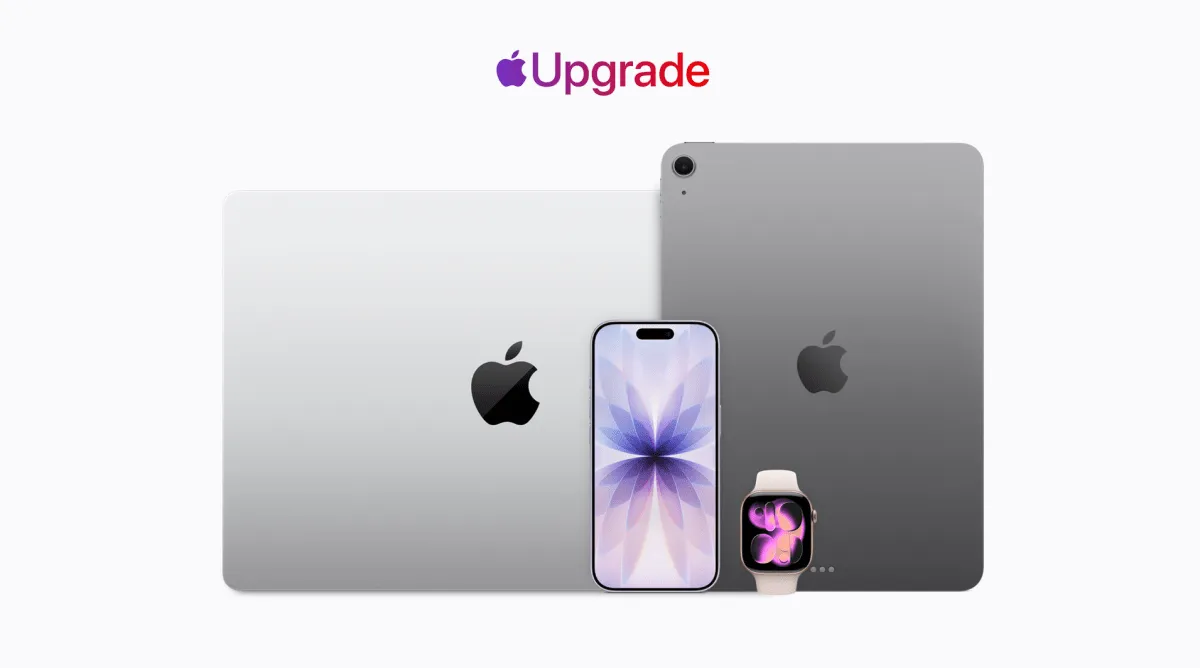
In a significant move to adapt to the changing landscape of consumer purchasing, Apple has launched its new leasing program, dubbed 'Upgrade,' in collaboration with the popular buy now, pay later service, Klarna. This initiative allows eligible customers to acquire Apple devices through manageable monthly installments rather than upfront payments, a strategy that comes at a crucial time when many consumers are feeling the pinch of rising prices due to supply chain disruptions.
The Upgrade program is accessible for a range of Apple products, including the iPhone, Apple Watch, Mac, and iPad. Available through the Apple Store online, the Apple Store app, and physical Apple Store locations across the United States, this program caters to a growing demographic of consumers who prefer flexible payment options. With leasing prices starting at just $17.99 per month for an iPhone and $11.99 for an Apple Watch, Apple is positioning itself to appeal to budget-conscious buyers.
The Mechanics of the Apple Upgrade Program
Under the Upgrade program, customers have the option to lease devices for varying terms: one or two years for iPhones and Apple Watches, and two or three years for Macs and iPads. After the leasing period, customers can choose one of three paths:
- Upgrade to the latest model of their current device.
- Purchase their existing device outright with a one-time payment.
- Return the device and exit the leasing program altogether.
This flexibility is attractive for consumers who want to stay current with technology without the burden of substantial initial costs. For instance, a customer leasing a Mac for $24.99 a month could upgrade to a new model after two years for a small fee, rather than facing the full retail price of over $1,000 upfront.

A Response to Supply Chain Challenges
The timing of this initiative is particularly relevant. Apple has been grappling with supply chain challenges, notably a shortage of memory chips, often referred to as "RAMageddon." This shortage has led to price hikes for several product lines, including Macs and iPads, though the iPhone has so far remained unaffected.
By introducing the leasing program, Apple aims to mitigate the impact of these price increases on consumers. The program is not merely a marketing strategy; it represents a strategic pivot to maintain sales momentum amid economic uncertainty. The Upgrade program can help ensure that Apple remains competitive, especially as consumers become more price-sensitive.
Benefits of the Upgrade Program
One of the standout features of the Upgrade program is the integration with the Apple Trade In program. Customers can significantly reduce their monthly lease payments by trading in their existing devices, which can be a game-changer for many. This not only encourages device recycling but also provides a financial incentive for users to upgrade more frequently.
Additionally, customers who choose to make their lease payments using the Apple Card can earn 3% Daily Cash back, adding another layer of financial benefit. This is particularly appealing for loyal Apple customers who are already embedded within the Apple ecosystem.
Discontinuation of Previous Financing Programs
The launch of the Upgrade program also marks the end of some of Apple's existing financing and installment offerings in the U.S., such as the iPhone Upgrade Program and iPhone Payments. This consolidation may streamline the purchasing process but could leave some customers feeling uncertain about their options. The Upgrade program appears to be an attempt to create a more cohesive leasing experience while simplifying the product lineup.

Market Implications
The introduction of leasing models is not unique to Apple; many tech companies are exploring similar options to capture a larger share of the consumer market. With the increasing popularity of buy now, pay later services, Apple’s partnership with Klarna positions the company to capitalize on a growing trend that appeals to younger consumers and those wary of incurring credit card debt.
As more companies enter the leasing space, competition will likely drive innovation in financing options and consumer engagement strategies. Apple’s move may prompt other tech giants to reconsider their financing models, potentially leading to a broader shift in how consumers acquire technology.
Key Takeaways
- Leasing Options: Monthly payments start as low as $11.99 for devices like the Apple Watch.
- Flexibility: Customers can upgrade, purchase, or return devices at the end of the lease term.
- Trade-In Benefits: Existing devices can be traded in to lower lease payments.
- Cash Back Incentives: Apple Card users can earn 3% Daily Cash on lease payments.
Frequently Asked Questions
How does the leasing program work?
The leasing program allows customers to pay for Apple devices in monthly installments over a specified lease term. At the end of the term, they have the option to upgrade, buy the device outright, or return it. This flexibility makes it easier for consumers to manage their technology expenses.
What happens if I want to end my lease early?
If you wish to exit the program before the lease term ends, you can return the device to Apple. However, it's essential to check for any associated fees or conditions that may apply to early termination, as these can vary based on the device and the leasing agreement.
Can I trade in my old device even if it's not an Apple product?
Currently, the Apple Trade In program is designed to accept Apple devices. However, check with Apple for any potential promotions or changes to their trade-in policy, as they occasionally expand acceptance criteria to include other brands or devices.
Is there a minimum credit score required to qualify for the leasing program?
While Apple has not publicly disclosed specific credit score requirements for the Upgrade program, Klarna typically assesses creditworthiness during the application process. It's advisable to check with Klarna or Apple for any specific eligibility criteria before applying.
Comments
Popular in SaaS Reviews
- Roost: The 'Slow-cial' App Redefining Digital Communication
- Uber's Expansion Beyond Ride-Hailing: The Future of Travel and Services
- Sweden's Startup Surge: The Forces Behind a Booming Ecosystem
- X's Algorithm Update: Creating a More Community-Focused Experience
- Elon Musk's Vision for X: Real-Time Misinformation Corrections via DMs