Uber's Bold Move: Investing in Its Controversial Former CEO
Uber's investment in former CEO Travis Kalanick's Atoms highlights the complex relationship between the ride-hailing giant and its past leadership. As Kalanick re-emerges in the mobility sector, what does this mean for Uber and the future of transportation?

In a surprising twist in the ongoing saga of corporate mobility, Uber has made a significant investment in its former CEO, Travis Kalanick, and his newly rebranded holding company, Atoms. This $100 million stake not only signals a new chapter for both Uber and Kalanick, but also raises questions about the future of the ride-hailing industry and the strategic positioning of autonomous technologies. As Kalanick once again steps into the spotlight, the implications of this investment stretch far beyond mere financial interest. They touch on themes of innovation, corporate legacy, and the evolving landscape of transportation technology.
In light of recent earnings reports and shifting market dynamics, Uber’s decision to place its bet on Kalanick is a calculated risk. The ride-hailing giant is navigating a complex environment, with competitors emerging in various sectors of mobility, including autonomous vehicles and electric transportation. As Kalanick, who was ousted from Uber amid controversy nearly a decade ago, returns to the forefront, the industry watches closely to see how this investment will play out.
Kalanick's Return and the Atoms Vision
Travis Kalanick's journey since leaving Uber has been anything but quiet. Following his resignation in 2017 amid a series of scandals and lawsuits, Kalanick launched Atoms, initially focused on ghost kitchens before pivoting towards industrial automation with the acquisition of Anthony Levandowski's startup, Pronto. Now, with a war chest of $1.7 billion, Kalanick is poised to disrupt the mobility landscape once again.
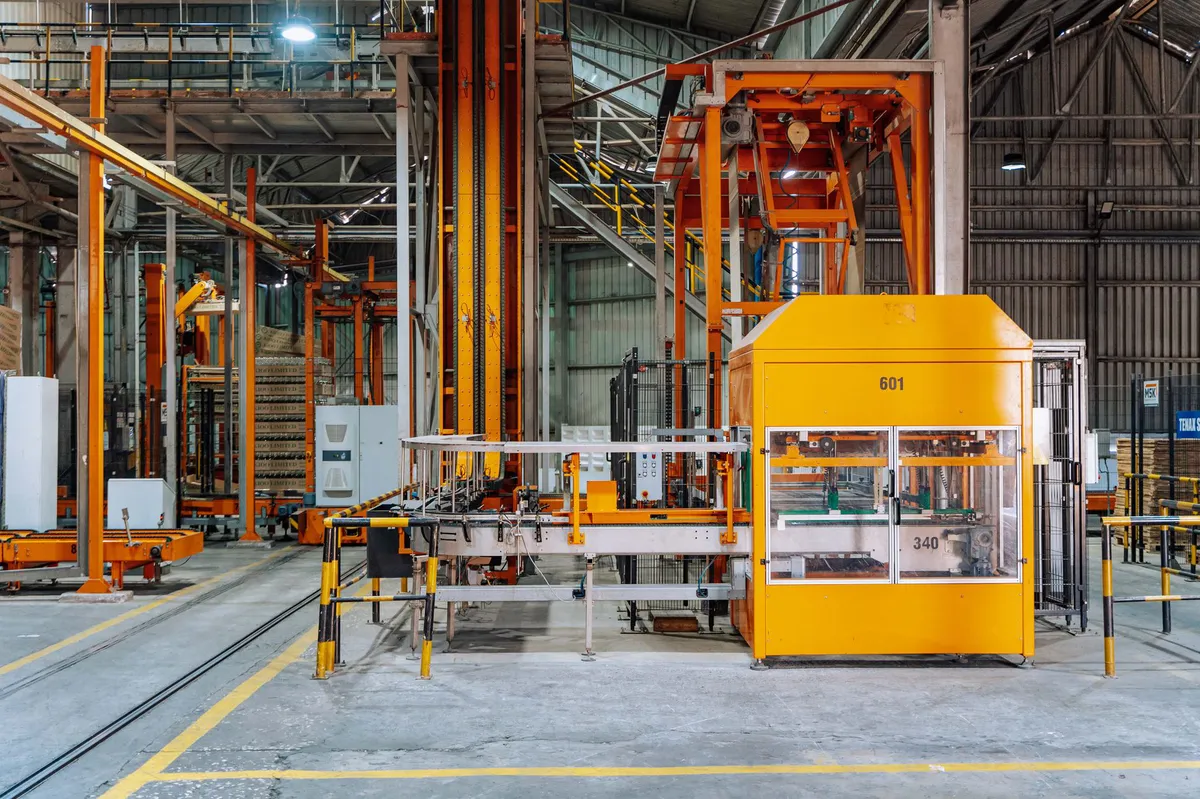
Atoms aims to capitalize on the burgeoning field of Industrial AI and physical automation, particularly in sectors such as mining and transport. According to internal communications, Pronto will be central to Atoms' strategy, focusing on scaling autonomy solutions that are compatible with various original equipment manufacturers (OEMs). This modular approach could be pivotal in an industry increasingly driven by the need for flexibility and integration across different platforms.
The Implications of Uber's Investment
For Uber, the decision to invest in Kalanick's venture raises eyebrows given their tumultuous history. Kalanick's tenure was marked by aggressive growth strategies and a corporate culture that faced intense scrutiny. However, this investment signals a recognition of Kalanick’s vision for the future of mobility and a strategic alignment with Uber’s long-term goals.
Investing in Atoms also reflects Uber's acknowledgment of the need for innovation in the face of growing competition. With Kalanick at the helm, Uber may hope to leverage Atoms' advancements in autonomy and AI to enhance its own offerings in ride-hailing and delivery services. As the market becomes increasingly crowded with players such as Waymo and Tesla, this partnership could provide Uber with a competitive edge.
Market Trends and Financial Realities
As we examine the broader market context, it’s essential to consider the financial implications of Uber's investment. Recent reports indicate that Tesla, a significant player in the autonomous vehicle space, has faced challenges in meeting production targets for its Cybercab and robotaxi services. This backdrop of uncertainty in the EV market creates both risks and opportunities for Uber.
Tesla's recent earnings report revealed a decline in paid robotaxi miles, raising concerns about the viability of its autonomous strategy. As Tesla struggles to accumulate necessary driving data for its Cybercab, Uber’s investment in Atoms could serve as a hedge against potential disruptions in the autonomous vehicle market.

Understanding the Competitive Landscape
The competition in the mobility sector is intensifying, with companies like Waymo and Aurora making significant strides in autonomous technology. Waymo's recent study indicated that its robotaxis are involved in fewer crashes than human drivers, a compelling argument for the safety and reliability of autonomous vehicles. As Uber seeks to redefine its position in this rapidly changing market, aligning with Kalanick could provide insights and strategies that are critical for innovation.
Moreover, partnerships with tech giants like Apple could reshape the landscape further. Ford's recent collaboration with Apple to integrate advanced navigation tools into its EV lineup exemplifies the shifting dynamics of the automotive industry. Uber must remain agile and proactive to ensure its relevance amid these changes.
Key Takeaways
- Uber has invested $100 million in Travis Kalanick’s Atoms, signaling a new chapter in their relationship.
- Kalanick's Atoms focuses on Industrial AI and automation, potentially enhancing Uber’s technological capabilities.
- Tesla's production challenges highlight the uncertainties in the autonomous vehicle market, creating opportunities for competitors.
- Collaboration with tech companies like Apple indicates a trend towards integration in the mobility sector.
- The evolution of the transportation landscape requires Uber to innovate strategically to maintain its competitive edge.
Frequently Asked Questions
What does Uber's investment in Atoms mean for the future of mobility?
Uber's $100 million investment in Atoms indicates a strategic alignment with Kalanick's vision for the future of transportation. By leveraging Atoms’ focus on Industrial AI and automation, Uber aims to enhance its service offerings and stay competitive in the rapidly evolving mobility landscape. This collaboration could lead to innovations that improve operational efficiency and expand Uber’s capabilities in autonomous transportation.
How does this investment reflect on Kalanick's leadership style?
Kalanick's leadership style has been characterized by aggressive growth strategies and a willingness to disrupt traditional markets. His return to the spotlight with Atoms suggests that he remains committed to innovation and transformation within the mobility sector. This investment by Uber may also indicate a shift in corporate culture, showing a willingness to embrace past leaders who have the potential to drive future success.
What challenges could arise from Uber’s partnership with Atoms?
While the partnership between Uber and Atoms presents significant opportunities, it also comes with challenges. The historical context of Kalanick's departure from Uber raises concerns about corporate governance and the potential for internal conflict. Additionally, the autonomous vehicle market is fraught with regulatory hurdles and technological uncertainties. Uber must navigate these complexities to ensure that the partnership yields positive outcomes for both parties.
How does the current state of the EV market affect Uber's strategy?
The current state of the electric vehicle (EV) market, particularly with Tesla facing production challenges, creates both risks and opportunities for Uber. As competitors struggle with their autonomous vehicle strategies, Uber's investment in Atoms could provide it with the technological edge needed to differentiate itself. Furthermore, a focus on innovation in EV technology could position Uber favorably as the market continues to evolve.

Comments
Europe's New Tech Media Powerhouse: The European Technology Network
The European Technology Network (ETN) has launched a five-day-a-week live show, aiming to fill a gap in tech media coverage across Europe. With significant investment backing and a focus on innovation, ETN is set to shape the discourse around technology in the region.

Related articles

Popular in SaaS Reviews
- Roost: The 'Slow-cial' App Redefining Digital Communication
- Uber's Expansion Beyond Ride-Hailing: The Future of Travel and Services
- Sweden's Startup Surge: The Forces Behind a Booming Ecosystem
- X's Algorithm Update: Creating a More Community-Focused Experience
- Elon Musk's Vision for X: Real-Time Misinformation Corrections via DMs