ServiceNow's $40 Million Bet on BusinessNext: A Strategic Leap in Banking Software
ServiceNow invests $40 million in Indian banking software specialist BusinessNext to enhance its financial services portfolio, aiming for global expansion and AI integration.
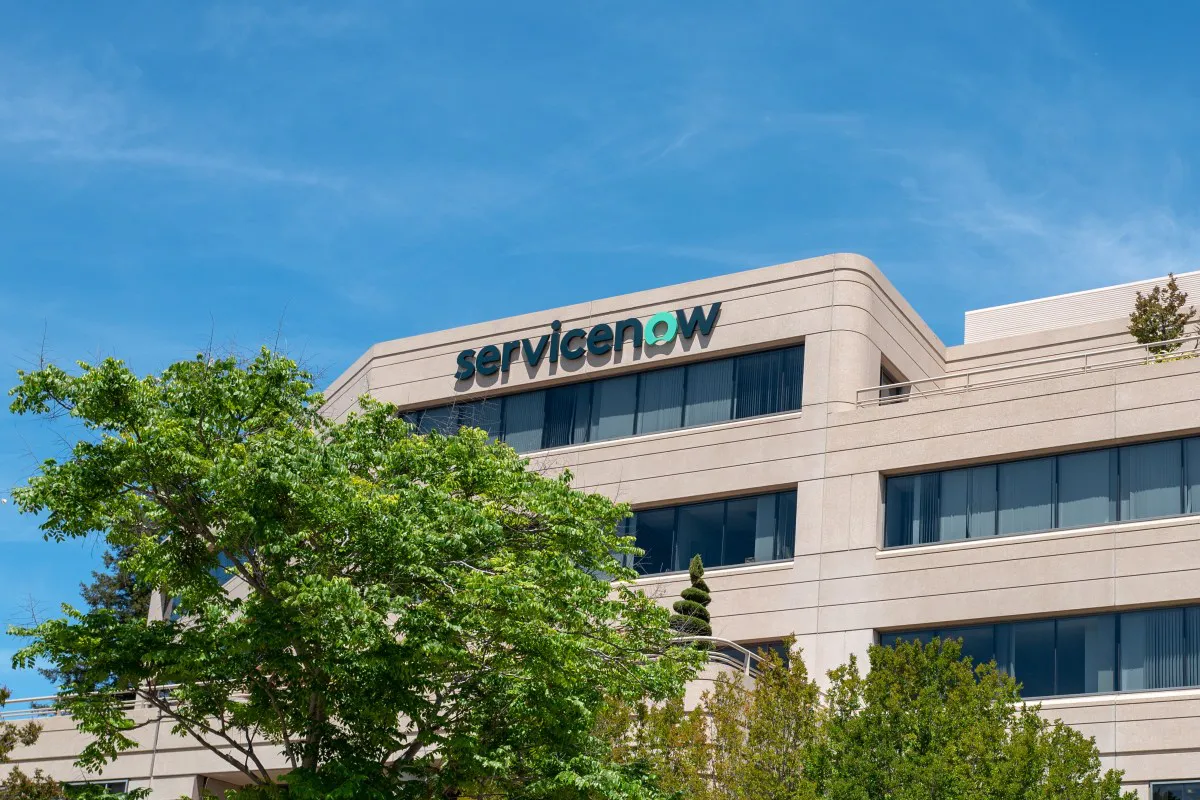
In a significant move to bolster its foothold in the global financial services sector, ServiceNow has announced a $40 million investment in BusinessNext, a specialized banking software company based in India. This investment not only values BusinessNext at approximately $700 million but also secures ServiceNow a roughly 5% stake in the firm. The partnership is poised to leverage ServiceNow's extensive global sales network alongside BusinessNext's innovative banking solutions, particularly in the realm of artificial intelligence (AI).
The collaboration signals a strategic shift within the financial services landscape as institutions increasingly transition from experimental digital solutions to fully-fledged AI-driven operations. With this investment, ServiceNow aims to integrate its robust workflow automation capabilities with BusinessNext's customer-centric banking software, tapping into a burgeoning market that demands efficiency and innovation.
Understanding BusinessNext's Role in Banking Software
Founded in 2002 and previously known as CRMNext until its rebranding in 2022, BusinessNext has established itself as a pivotal player in the Indian banking software arena. The company has successfully built a platform that emphasizes autonomous banking, employing AI agents to streamline banking workflows while ensuring compliance with stringent regulatory standards. This is particularly crucial for financial institutions that manage sensitive customer data and require high levels of security.
BusinessNext's client roster includes over 70 banks spread across India, Southeast Asia, the Middle East, and the United States. Noteworthy clients include:
- The Reserve Bank of India
- State Bank of India
- HDFC Bank
These partnerships underscore BusinessNext's growing influence beyond Indian borders, with approximately 50% of its revenue now generated from international markets. CEO Nishant Singh expressed that the partnership with ServiceNow will enable BusinessNext to harness the American company's vast sales infrastructure to bolster its expansion efforts in regions where it currently holds a limited presence.

ServiceNow's Strategic Expansion into Financial Services
ServiceNow has long been recognized for its enterprise service management solutions, automating workflows across various sectors, including IT and human resources. However, as the demand for innovative financial solutions intensifies, the company has pivoted towards enhancing its offerings in the financial services domain. This investment in BusinessNext is a concerted effort to align with the industry's trajectory towards AI-driven efficiencies.
The partnership is expected to merge BusinessNext's expertise in banking workflows with ServiceNow's strength in back-office automation. This synergy could create a compelling product suite that appeals to financial institutions eager to enhance their operational efficiencies. Kulmeet Bawa, ServiceNow's group vice president and managing director for India and the South Asian Association for Regional Cooperation (SAARC), emphasized the importance of this collaboration during a recent interview, noting that it reflects the industry's shift towards AI-led operations.
The Importance of AI in Modern Banking
The integration of AI into banking processes is no longer a futuristic concept; it is a present-day necessity for institutions aiming to remain competitive. As the financial sector undergoes rapid digital transformation, leveraging AI technologies allows banks to automate routine tasks, enhance customer service, and make data-driven decisions.
Key Benefits of AI in Banking
- Operational Efficiency: AI can automate repetitive tasks, significantly reducing manual labor and operational costs.
- Enhanced Customer Experience: AI-driven chatbots and virtual assistants can provide round-the-clock customer support, leading to higher satisfaction rates.
- Risk Management: AI algorithms can analyze vast amounts of data to identify potential risks and fraudulent activities, enhancing security measures.
- Data Analysis: AI tools can process and analyze customer data to provide insights that drive better decision-making and personalized banking experiences.
By embedding AI into their operations, banks can not only streamline their workflows but also gain a competitive edge by offering advanced services that meet evolving customer expectations.

The Financial Landscape and ServiceNow's Position
The global financial services market is evolving rapidly, driven by technological advancements and shifting consumer behaviors. Established enterprise software providers like ServiceNow are increasingly pressured to innovate and adapt, particularly as startups and niche players introduce AI-native alternatives that challenge traditional Software as a Service (SaaS) models. This investment in BusinessNext aligns with ServiceNow's broader strategy to diversify its offerings and enhance its market position in the financial sector.
As the financial services industry faces challenges related to regulatory compliance, data security, and customer expectations, the partnership with BusinessNext allows ServiceNow to provide comprehensive solutions that address these needs. The collaboration is a testament to the growing recognition that the future of banking lies in the seamless integration of advanced technology and customer-centric solutions.

Key Takeaways
- ServiceNow has invested $40 million in Indian banking software specialist BusinessNext, securing a 5% stake.
- The partnership aims to enhance financial services by integrating AI-driven banking workflows with robust automation tools.
- BusinessNext serves over 70 banks globally, with significant revenue coming from international markets.
- The collaboration reflects the broader trend of financial institutions transitioning towards AI-led operations.
- ServiceNow's investment underscores its commitment to expanding its footprint in the financial services sector.
Frequently Asked Questions
What is the significance of ServiceNow's investment in BusinessNext?
ServiceNow's $40 million investment in BusinessNext signifies a strategic partnership aimed at enhancing its offerings in the financial services sector. By leveraging BusinessNext's expertise in banking software and ServiceNow's advanced workflow automation, the collaboration is expected to create innovative solutions that cater to the evolving needs of financial institutions worldwide.
How does AI impact banking operations?
AI is transforming banking operations by automating routine tasks, enhancing customer interactions, and improving risk management. Financial institutions that integrate AI technologies into their workflows can achieve higher efficiency, reduce costs, and provide personalized services to their customers, positioning themselves competitively in an increasingly digital landscape.
What challenges do financial institutions face with traditional SaaS tools?
Traditional SaaS tools may not adequately address the unique needs of financial institutions, especially as the industry shifts towards AI-driven solutions. Customers are increasingly questioning the value of legacy software, prompting enterprises to seek innovative alternatives that offer greater flexibility, efficiency, and scalability to meet modern banking demands.
What future trends can we expect in the financial services sector?
The financial services sector is expected to continue its rapid digitization, with a strong focus on AI and machine learning technologies. As institutions increasingly adopt these advancements, we can anticipate more streamlined operations, enhanced customer experiences, and improved risk management practices, driving the industry towards a more efficient and customer-centric model.
Comments
Corgi's Impressive Fundraising Journey: A $4B Valuation in Just Weeks
Insurance startup Corgi has rapidly escalated to a $4 billion valuation with its latest funding round, highlighting the aggressive investment climate in tech. From AI-powered insurance to coffee shops, Corgi's diversification raises questions about sustainable growth.

Related articles
Popular in SaaS Reviews
- Roost: The 'Slow-cial' App Redefining Digital Communication
- Uber's Expansion Beyond Ride-Hailing: The Future of Travel and Services
- Sweden's Startup Surge: The Forces Behind a Booming Ecosystem
- X's Algorithm Update: Creating a More Community-Focused Experience
- Elon Musk's Vision for X: Real-Time Misinformation Corrections via DMs