Science Corp’s Vision-Restoring Chip: A New Era in Eye Care
Science Corporation has gained EU approval for its groundbreaking vision-restoring chip, PRIMA, designed for age-related macular degeneration. This innovation brings hope to millions and marks a significant step in brain-computer interface technology.
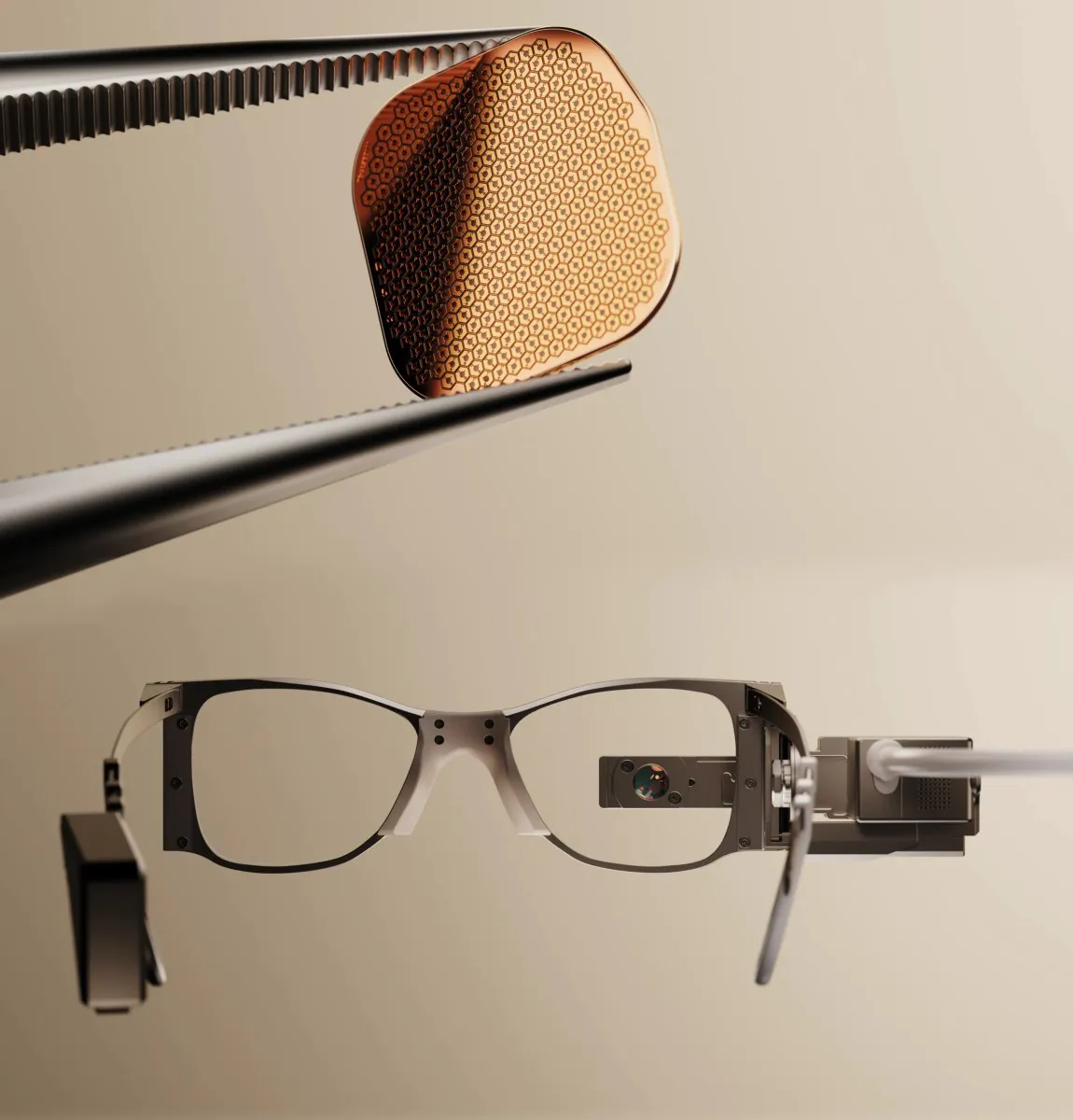
In a groundbreaking leap for medical technology, Science Corporation has secured approval from the European medical device regulator for its innovative vision-restoring chip, known as PRIMA. This device is designed to help individuals suffering from age-related macular degeneration (AMD), a common eye condition that affects millions worldwide, leading to significant vision loss. With this development, the company not only aims to transform the lives of those with AMD but also to pave the way for advanced brain-computer interfaces (BCIs) that could redefine medical interventions.
Science Corporation, founded by Max Hodak, a notable figure in the BCI space and former president of Neuralink, has also received a designation from the US Food and Drug Administration (FDA) that could expedite regulatory review for PRIMA in the United States. This double approval signifies a crucial step forward in the quest to restore vision for patients with severe visual impairments, including two rare types of blindness. As the technology progresses, it holds the potential to change the landscape of vision restoration and BCI applications.
Understanding Age-Related Macular Degeneration
Age-related macular degeneration is a leading cause of vision loss among older adults, characterized by the deterioration of the macula, the central part of the retina responsible for sharp vision. It affects an estimated more than 10 million people in the United States alone, making it a significant public health concern. The condition primarily manifests in two forms:
- Dry AMD: The more common form, involving gradual thinning of the macula.
- Wet AMD: A less common but more severe form, where abnormal blood vessels grow under the retina, leading to rapid vision loss.
The onset of AMD typically results in blurred or distorted vision, making tasks such as reading, recognizing faces, or driving exceedingly difficult. For those affected, the advent of technologies like PRIMA represents not just medical innovation but renewed hope for regaining independence and quality of life.

The PRIMA Device: How It Works
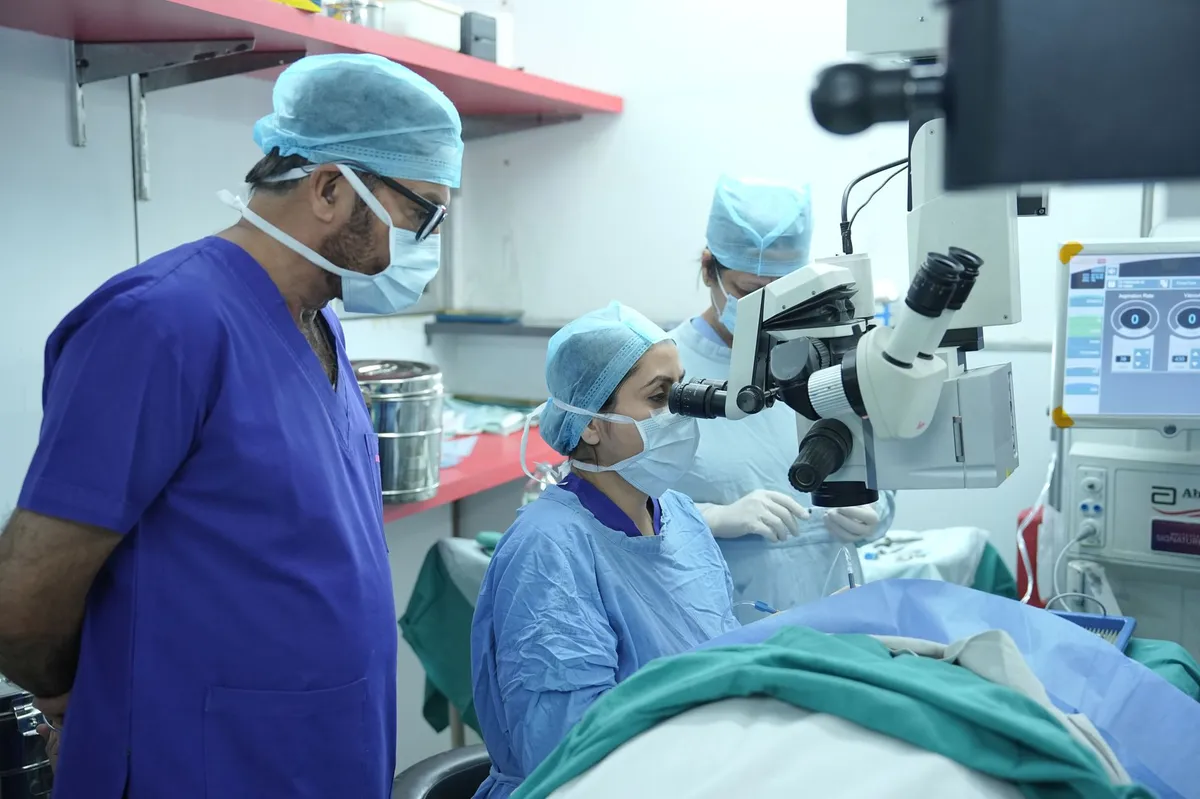
The PRIMA system consists of a small chip implanted in the back of the eye, which works in conjunction with specially designed glasses equipped with a camera. The process begins with a minimally invasive outpatient procedure that lasts about an hour. After implantation, the glasses capture the user’s surroundings, converting visual data into electrical signals that the chip interprets, ultimately stimulating the remaining retinal cells to create a perception of vision.
Patient Experiences with PRIMA
Early patient feedback has been overwhelmingly positive, with reports of individuals regaining functional vision for daily activities. Max Hodak shared inspiring anecdotes, including a patient in France who recently completed a 300-page novel and even sent a copy to the company. Another patient demonstrated artistic capabilities by sketching iconic landmarks, affirming the device’s potential to restore not only vision but also a sense of normalcy in life.

Market Potential and Business Strategy
The market for vision restoration is ripe for disruption, with projections indicating substantial growth as technologies like PRIMA gain traction. Each PRIMA device is expected to cost in the range of hundreds of thousands of dollars, prompting Science Corp. to engage with healthcare providers in Europe to navigate reimbursement strategies effectively. The initial rollout is focused on Germany, where clinical trials have already taken place, with the first procedures anticipated as early as September.
Hodak emphasizes the importance of establishing a sustainable business model as a foundation for future innovations within the company. By generating revenue through PRIMA, Science Corp. aims to secure funding for long-term projects, including the development of a bio-hybrid brain sensor, which holds the promise of further bridging the gap between neural health and technology.
The Future of Brain-Computer Interfaces
Beyond vision restoration, the implications of PRIMA and similar technologies extend into the broader field of brain-computer interfaces. These advancements could lead to revolutionary treatments for various neurological conditions and injuries, enhancing communication and interaction for individuals with disabilities. Collaborations with esteemed institutions, such as Yale Medical School, are underway to explore the potential for direct brain implants that could provide more extensive functionalities than current peripheral devices.
As Science Corp. forges ahead, the company’s commitment to innovation in BCI technology could redefine healthcare paradigms, offering new hope and capabilities to those who have long suffered from the limitations imposed by their conditions. Hodak asserts that the success of their vision business is crucial, as it forms the financial backbone to explore more ambitious endeavors in the realm of human-machine integration.
Key Takeaways
- Science Corporation’s PRIMA chip has received EU approval and FDA designation, marking a significant milestone in vision restoration technology.
- Age-related macular degeneration affects millions, underscoring the urgent need for effective treatments.
- The PRIMA system combines an implanted chip with camera-equipped glasses, enabling users to regain functional vision.
- Science Corp. is focused on sustainable business practices to fund future BCI innovations.
- The company's advancements could reshape the future of brain-computer interfaces and neurological treatments.
Frequently Asked Questions
What is age-related macular degeneration, and how does it affect vision?
Age-related macular degeneration (AMD) is a progressive eye condition that primarily affects older adults, leading to the deterioration of the macula, which is responsible for central vision. Individuals with AMD often experience blurred or distorted vision, making it challenging to perform everyday tasks such as reading, driving, and recognizing faces. The condition can significantly impact quality of life, emphasizing the need for effective treatment options.
How does the PRIMA device restore vision?
The PRIMA device restores vision by using a small chip implanted in the back of the eye that works in tandem with specially designed glasses. The glasses capture the wearer’s surroundings and transmit visual information to the chip, which then stimulates remaining retinal cells to create a perception of vision. This innovative approach offers hope for those with AMD and other types of blindness.
What are the expected costs associated with the PRIMA device?
The PRIMA device is anticipated to cost in the range of hundreds of thousands of dollars, reflecting the advanced technology and surgical procedures involved. Science Corporation is actively engaging with healthcare providers in Europe to develop reimbursement strategies, aiming to make the device accessible to patients who could benefit from it.
What future developments can we expect from Science Corporation?
Science Corporation plans to enhance the capabilities of the PRIMA device while exploring further innovations in brain-computer interfaces. By establishing a successful vision restoration business, the company aims to secure funding for ambitious projects, such as developing a bio-hybrid brain sensor. These advancements could pave the way for revolutionary treatments in neurological health and patient care.
Comments
Microsoft Expands Xbox Backward Compatibility to Windows PCs
Microsoft has officially launched backward compatibility for original Xbox titles on Windows PCs, expanding its gaming ecosystem. The initial lineup includes four classic games, now accessible to a wider audience, and hints at a future of enhanced gaming experiences.
Related articles



Popular in SaaS Reviews
- Roost: The 'Slow-cial' App Redefining Digital Communication
- Uber's Expansion Beyond Ride-Hailing: The Future of Travel and Services
- Sweden's Startup Surge: The Forces Behind a Booming Ecosystem
- X's Algorithm Update: Creating a More Community-Focused Experience
- Elon Musk's Vision for X: Real-Time Misinformation Corrections via DMs