How Machine Learning Algorithms Are Impacting Formula 1 Racing
The Belgium Grand Prix at Spa-Francorchamps highlights the challenges facing modern F1 cars. As machine learning and electric powertrains change the sport, are we losing the essence of racing?
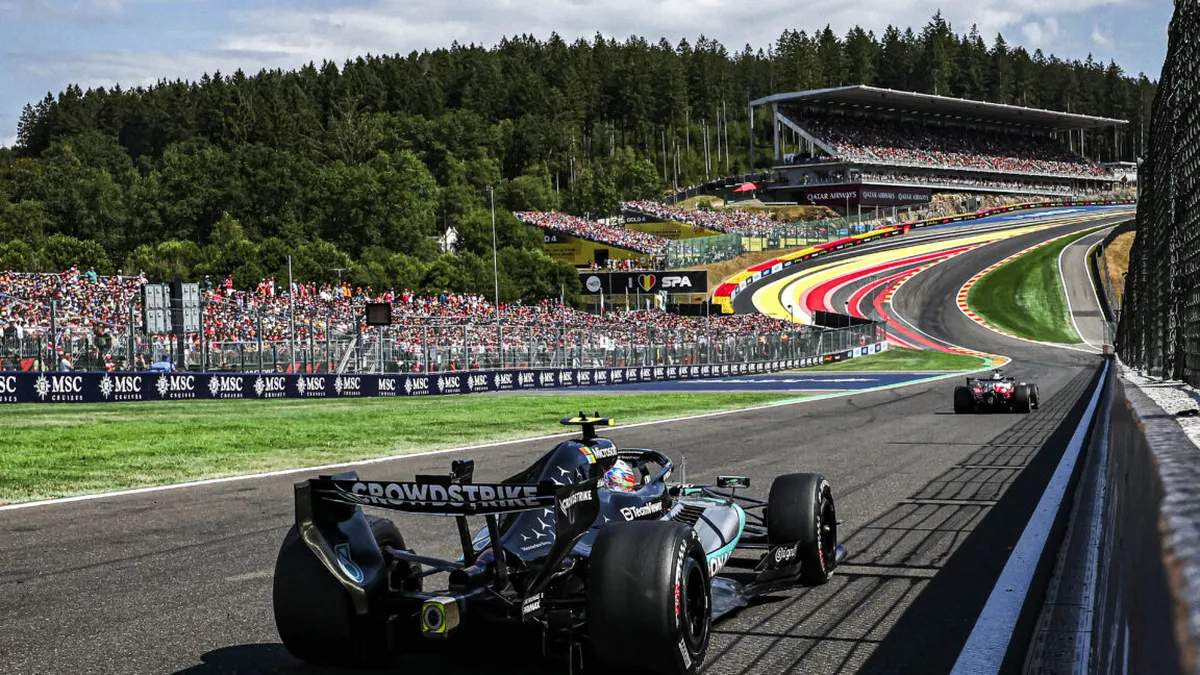
The Belgium Grand Prix at the historic Spa-Francorchamps circuit recently underscored a growing concern among fans and experts alike: the impact of machine learning and electric powertrains on the sport of Formula 1. Known for its dramatic layout and storied history, Spa has been a centerpiece of F1 since the inaugural season in 1950. But as the latest race revealed, the new generation of F1 machinery may be more suited for simulation than the visceral thrill of actual racing.
As witnessed earlier this year at Suzuka, the 2026 F1 battery technology is a significant step toward electric integration but comes with its own set of challenges. These batteries are capable of powering the race car's electric motor for only a few seconds each lap, leaving the cars with less power than even the junior Formula 2 series for substantial portions of the track. This raises questions about the future of the sport and whether these changes will enhance or dilute the racing experience.
The Allure of Spa-Francorchamps
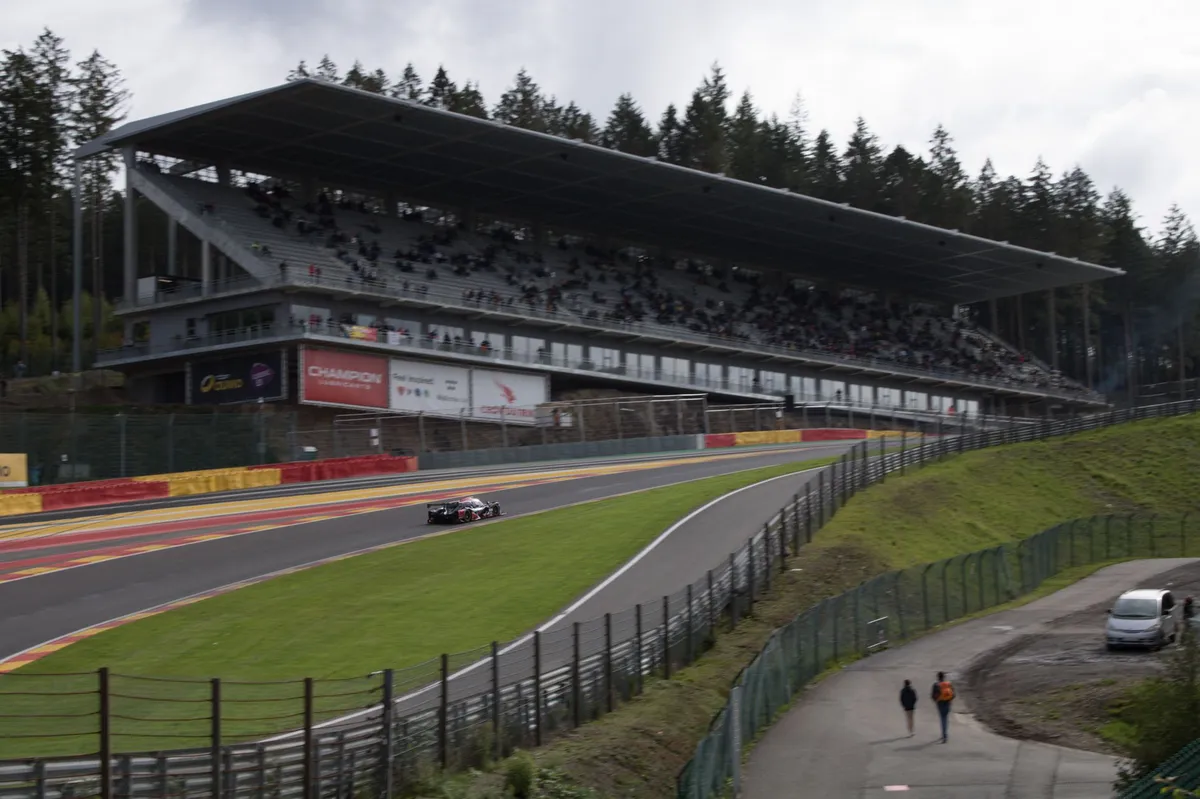
Spa-Francorchamps is often hailed as one of the greatest racing circuits in the world. With its combination of elevation changes, high-speed straights, and technical corners, it has become a favorite among drivers and fans alike. The circuit's origins date back to 1922, when it operated as a public road course stretching 9 miles through the picturesque Ardennes region of Belgium. Over the decades, the layout has evolved, and while it currently measures 4.352 miles (7.004 km), its character remains unchanged—challenging and exhilarating.
Historically, Spa has been a venue where the best drivers could showcase their skills. The average lap speeds have soared to over 150 mph (240 km/h), but this speed has come at a cost. The transition from raw power to the reliance on electric energy has led to less thrilling racing experiences, with cars struggling to maintain competitive speeds throughout the entire lap.
Machine Learning and Electric Powertrains: A Double-Edged Sword
The integration of machine learning algorithms into the design and strategy of Formula 1 cars has been touted as a revolutionary advancement. These algorithms can analyze vast amounts of data in real-time, providing teams with insights that can inform everything from tire strategy to aerodynamic adjustments. However, this reliance on technology has also raised concerns about the essence of racing itself.
Performance vs. Authenticity
In the quest for peak performance, F1 teams have increasingly turned to simulation and predictive modeling. While this has led to some impressive gains in efficiency and speed, it has also resulted in cars that may lack the raw, unfiltered excitement that racing fans crave. Unlike in previous eras, where driver skill and instinct played a pivotal role, the current generation of cars often seems to be dictated more by algorithms than by the drivers themselves.
Energy Constraints
With the current F1 cars, especially those set to debut in 2026, the focus on electric powertrains presents its own unique set of challenges. During races, drivers find themselves managing energy output meticulously, often having to conserve battery life to ensure they can finish the race competitively. This necessity for energy management can diminish the natural competitive edge that drivers typically exhibit, leading to a more strategic rather than instinctive form of racing.
The Future of Formula 1: What Lies Ahead?
The future of Formula 1 is undoubtedly intertwined with technology, but the critical question remains: at what cost? As we move toward an era of enhanced machine learning and electric powertrains, the sport risks losing its soul. Discussions are already underway about how to balance these technological advancements with the fundamental elements that make racing thrilling—speed, skill, and the unpredictable nature of competition.
Finding a Middle Ground
One potential solution could lie in establishing more rigid regulations around the use of machine learning and electric technology. By setting boundaries on how much these tools can dictate race outcomes, organizers could ensure that the human element remains at the forefront of the sport. This might involve rethinking energy distribution rules and allowing for more powerful hybrid systems that can offer a more dynamic racing experience.
Engaging the Audience
Ultimately, the future of F1 will depend on its ability to engage fans both in the grandstands and at home. If machine learning and electric powertrains continue to dominate the landscape without delivering the raw excitement that fans expect, the sport risks alienating its most passionate supporters. F1 must find a way to leverage technology while still honoring the rich tradition of racing that has captivated audiences for generations.
Key Takeaways
- Spa-Francorchamps is a historic circuit known for its thrilling layout and rich history.
- Machine learning and electric powertrains are reshaping the racing landscape but may dilute the essence of competition.
- Energy management has become a critical factor, affecting how drivers race and strategize.
- Future regulations may be necessary to maintain a balance between technology and tradition.
- Engaging fans must remain a priority for the sport to thrive in an evolving technological landscape.
Frequently Asked Questions
What is the significance of the Spa-Francorchamps circuit in F1 history?
Spa-Francorchamps is one of the oldest and most celebrated circuits in Formula 1, having hosted races since 1950. Its challenging layout, with elevation changes and high-speed sections, has made it a favorite among drivers and a test of skill. The circuit's enduring legacy is a testament to its role in shaping the sport.
How do machine learning algorithms affect racing strategies?
Machine learning algorithms play a pivotal role in analyzing data related to car performance, tire wear, and track conditions. By processing vast amounts of information quickly, these algorithms help teams make informed decisions about race strategies, such as when to pit or how to adjust their setup. However, this reliance can sometimes overshadow driver instincts and traditional racing tactics.
Will electric powertrains be the future of Formula 1?
While electric powertrains are increasingly integrated into F1, their long-term viability depends on how they influence the racing experience. The balance between performance, excitement, and sustainability will be crucial in determining if electric powertrains can coexist with the traditional elements of the sport that fans cherish.
What can fans do to support the sport amidst these changes?
Fans can continue to engage with the sport through attendance, viewership, and participation in discussions surrounding F1's future. Expressing their opinions and preferences can influence how teams and organizers approach the evolution of the sport, ensuring that the thrill of racing remains central to the experience.
Comments
How Zillow’s AI Strategy is Redefining Real Estate Transactions
Zillow is pioneering an AI approach that emphasizes context over raw data, fundamentally changing how real estate transactions are managed. This strategy not only enhances customer experiences but also boosts operational efficiency.

Related articles

Popular in SaaS Reviews
- Roost: The 'Slow-cial' App Redefining Digital Communication
- Uber's Expansion Beyond Ride-Hailing: The Future of Travel and Services
- Sweden's Startup Surge: The Forces Behind a Booming Ecosystem
- X's Algorithm Update: Creating a More Community-Focused Experience
- Elon Musk's Vision for X: Real-Time Misinformation Corrections via DMs