Netflix Acquires Ben Affleck's AI Filmmaking Startup for $587 Million
Netflix's acquisition of InterPositive, co-founded by Ben Affleck, marks a significant investment in AI tools for filmmaking, aiming to enhance post-production processes. This article explores the implications and potential impact of this move on the media landscape.
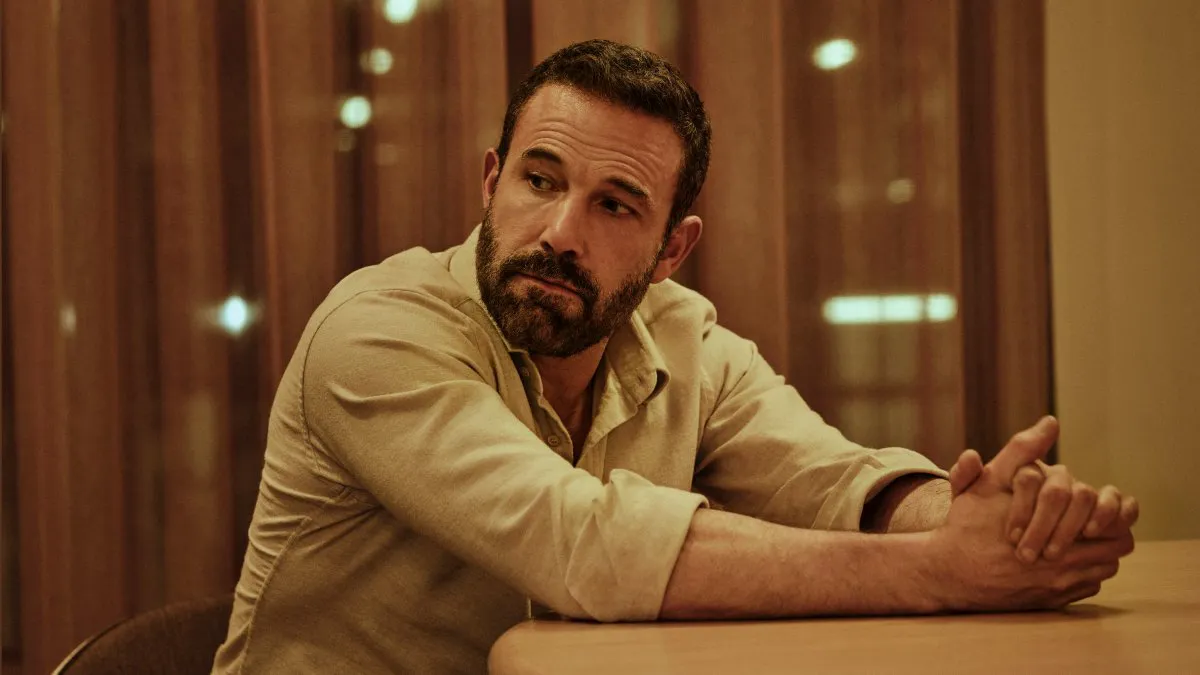
In a bold move that underscores the growing intersection of technology and entertainment, Netflix has officially acquired InterPositive, a startup co-founded by actor and director Ben Affleck, for a staggering $587 million. This acquisition is not merely a financial transaction; it signals Netflix's commitment to integrating advanced artificial intelligence (AI) tools into the filmmaking process, particularly in post-production. The news, revealed in a recent regulatory filing, has sparked conversations about the future of creative content creation and the role of AI in enhancing human artistry.
Affleck, known for his innovative approach to filmmaking, expressed a desire to "protect the power of human creativity" through this acquisition. By harnessing AI, he aims to address common challenges faced by filmmakers, such as missing shots, background replacements, and incorrect lighting. This focus on practical solutions positions InterPositive as a game-changer in an industry often hindered by logistical and technical limitations.
The Role of AI in Modern Filmmaking
Artificial intelligence has become a transformative force across various sectors, and the film industry is no exception. The ability to utilize AI tools for post-production tasks can drastically reduce the time and resources required to complete a project. For instance, AI-driven software can analyze footage and suggest enhancements, automate color correction, and even generate visual effects that would otherwise require extensive manual labor.
What InterPositive Brings to the Table
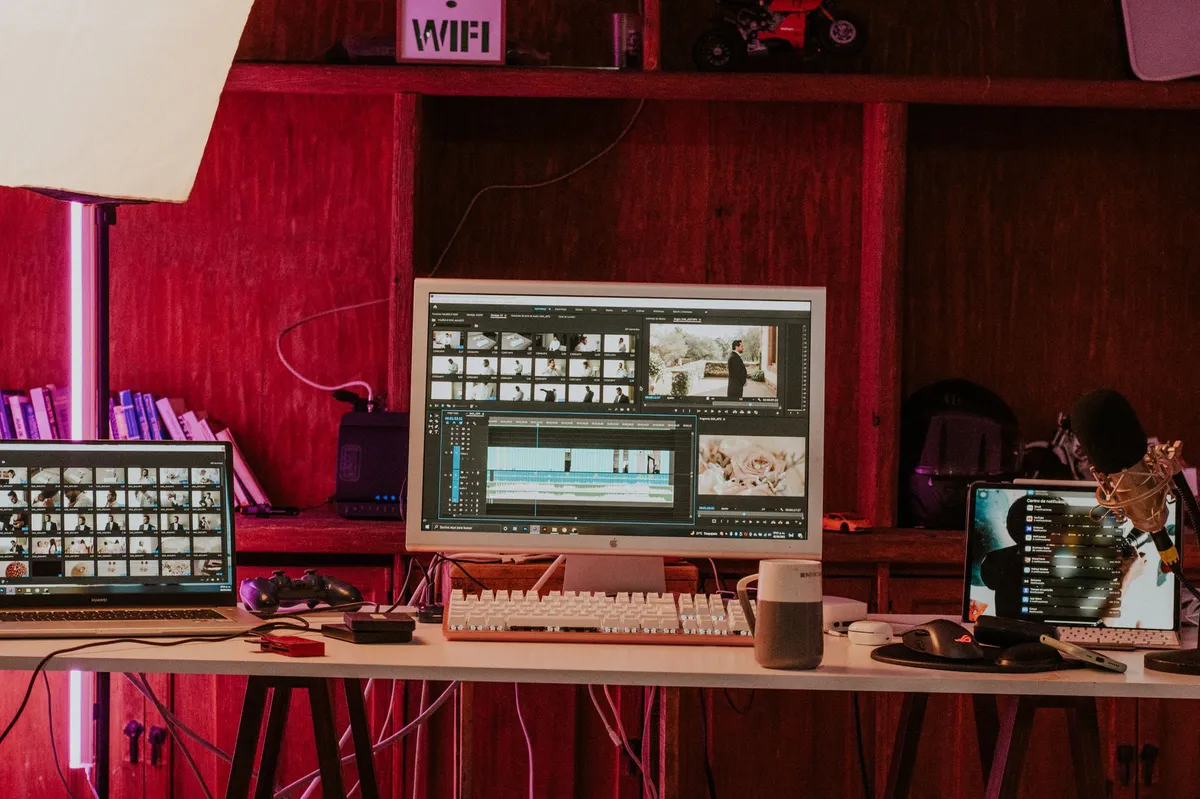
InterPositive's suite of AI tools offers filmmakers a way to streamline their workflows and enhance their creative output. Some key features include:
- Automated Video Editing: AI can assist in identifying the best takes and suggesting cuts, significantly speeding up the editing process.
- Real-time Visual Enhancements: The tools can adjust lighting and color in real-time, allowing for immediate feedback during filming.
- Missing Content Solutions: AI can intelligently fill in gaps when shots are missing or when reshoots are not feasible, which is crucial for maintaining continuity.
These capabilities not only save time but also open new avenues for creativity that filmmakers can explore without the constraints of traditional methods.
Market Implications of the Acquisition
The $587 million purchase of InterPositive is a clear indication of Netflix's strategy to remain at the forefront of the streaming and entertainment industry. As competition intensifies with the rise of platforms like Disney+, Amazon Prime Video, and others, investing in innovative technology becomes crucial for differentiation.
Moreover, Netflix's reported use of generative AI across 300 of its titles highlights the growing reliance on AI technologies in content creation. This trend could potentially reshape the economic landscape of filmmaking, as studios may lean towards AI-enhanced productions to reduce costs and improve efficiency.
Potential for a New Standard
As more production companies adopt AI tools, there may be a shift in industry standards. Filmmakers who embrace these technologies could gain a competitive edge, leading to a new norm where AI-driven enhancements become standard practice rather than an exception. This evolution raises questions about the future role of human creativity in the filmmaking process and how it can coexist with AI.
The Future of Filmmaking and AI
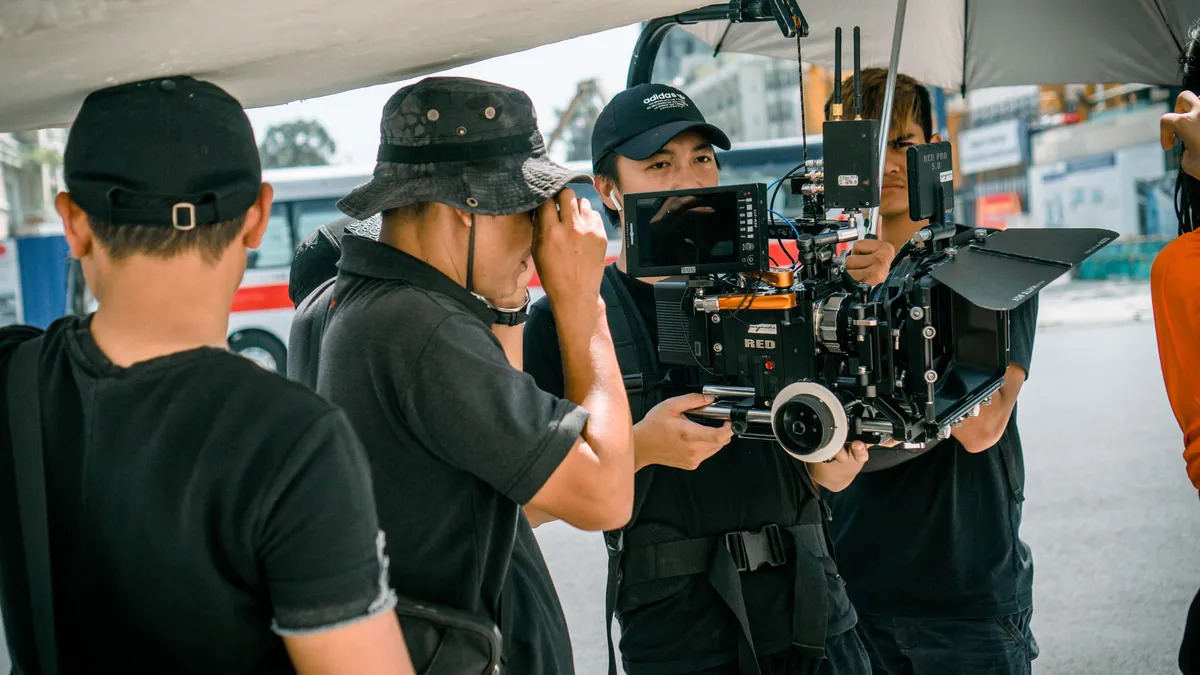
As Netflix integrates InterPositive’s technology, the broader implications for the film industry will be closely watched. The acquisition is a testament to not just the financial power of Netflix but also its willingness to innovate in a field that is traditionally considered highly creative and human-driven.
For filmmakers, this move could mean enhanced creative capabilities, but it also brings challenges. As AI tools become more prevalent, questions about authorship, originality, and the essence of storytelling may arise. How much influence should AI have in creative decisions? Will filmmakers become overly reliant on technology, potentially stifling their unique voices? These are complex issues that need to be navigated as the industry evolves.
Key Takeaways
- Netflix's Acquisition: Netflix acquired InterPositive for $587 million to enhance its filmmaking capabilities.
- AI Tools: InterPositive's technology addresses common production challenges and aims to improve post-production efficiency.
- Industry Impact: The acquisition signals a trend toward AI-driven filmmaking, which could reshape industry standards.
- Future Considerations: The role of human creativity in filmmaking will need to be balanced with the increasing use of AI.
Frequently Asked Questions
What is InterPositive, and what does it do?
InterPositive is a startup co-founded by Ben Affleck that specializes in AI tools designed to assist filmmakers in post-production. Its technology focuses on solving real-world production challenges such as missing shots and lighting issues, ultimately enhancing the overall quality of film projects.
How will this acquisition affect Netflix's content creation?
The acquisition of InterPositive allows Netflix to streamline its post-production process, potentially reducing costs and turnaround times for new content. By integrating AI tools, Netflix aims to enhance the quality of its offerings, providing a competitive edge in an increasingly saturated market.
What are the potential risks of using AI in filmmaking?
While AI can enhance efficiency in filmmaking, it also raises concerns about the dilution of human creativity and originality. As filmmakers rely more on AI tools, there is a risk of standardization in storytelling and visual aesthetics, which could stifle innovation and unique artistic expression.
What does this mean for the future of the film industry?
The integration of AI into filmmaking could redefine industry standards and practices, leading to a new era where technology and creativity coexist. Filmmakers will need to adapt to these changes, balancing the efficiency of AI tools with their own creative instincts to maintain the integrity of storytelling.
Comments
Popular in SaaS Reviews
- Roost: The 'Slow-cial' App Redefining Digital Communication
- Uber's Expansion Beyond Ride-Hailing: The Future of Travel and Services
- Sweden's Startup Surge: The Forces Behind a Booming Ecosystem
- X's Algorithm Update: Creating a More Community-Focused Experience
- Elon Musk's Vision for X: Real-Time Misinformation Corrections via DMs