Uber's $14.8B Acquisition of Delivery Hero: A Game Changer for Global Markets
Uber's acquisition of Delivery Hero marks a significant expansion for the ride-hailing giant, potentially doubling its global delivery footprint, while facing regulatory hurdles and competition.
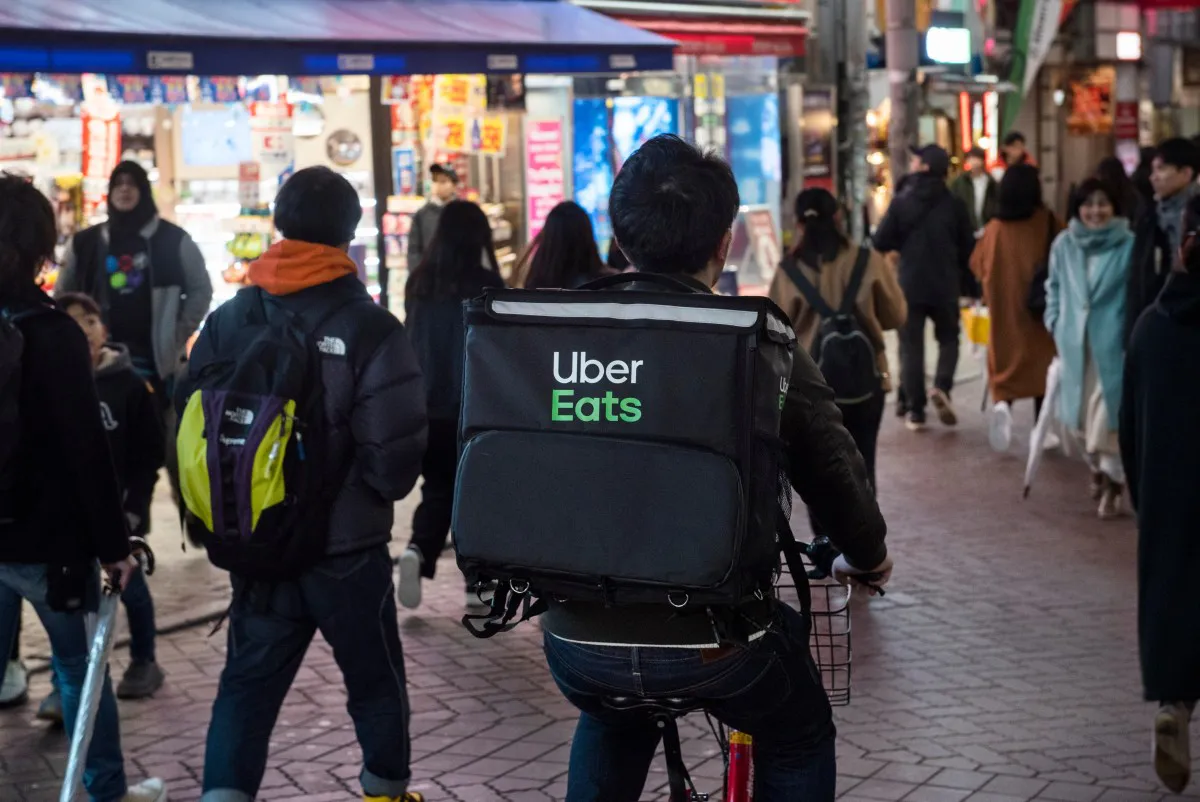
In a bold move that underscores its ambitions in the global food delivery market, Uber has officially announced its intention to acquire Delivery Hero for a staggering $14.8 billion in an all-stock transaction. This deal, once finalized, will allow Uber to significantly expand its presence, nearly doubling its footprint across key markets in Europe, the Middle East, Latin America, and Asia. The acquisition comes at a time when competition in the food delivery sector is heating up, and Uber is positioning itself to become a dominant player in the industry.
The acquisition of Delivery Hero will not only enhance Uber's delivery services but also fortify its competitive stance against rivals such as DoorDash and Just Eat, both of which have been making waves in various international markets. As Uber aims to create a comprehensive ecosystem that combines mobility and food delivery services, this deal could be a pivotal point in solidifying its market leadership.
Understanding the Acquisition Landscape
The $14.8 billion deal is part of a broader strategy by Uber to diversify its business model and tap into the lucrative food delivery market, which has seen explosive growth in recent years. The global pandemic accelerated the demand for delivery services, making it a staple for consumers worldwide. However, Uber's move is not just about capturing more market share; it's also about enhancing its operational capabilities and leveraging synergies between its core ride-hailing services and food delivery.
Key Details of the Acquisition
- Transaction Value: $14.8 billion in an all-stock deal.
- Global Footprint: Uber will expand into nearly 100 markets.
- Regulatory Scrutiny: The deal is expected to face regulatory challenges.
- Market Competition: Positioned against major players like DoorDash and Just Eat.
Furthermore, as part of the acquisition, Delivery Hero has agreed to sell its operations in 14 markets where Uber Eats is already a player to New York-based investment firm SSW Partners for $1.6 billion. This strategic divestment allows Uber to streamline its integration process and focus on expanding its core delivery services.
Regulatory Challenges Ahead
While the acquisition may seem beneficial for Uber and its shareholders, it is not without potential hurdles. Regulatory scrutiny is likely to increase as authorities assess the implications of such a significant consolidation in the delivery sector. Uber has experienced regulatory challenges in the past, particularly concerning its ride-hailing operations, and this acquisition may bring similar issues to the forefront.
The deal requires a minimum acceptance threshold of 50% plus one share of Delivery Hero's outstanding share capital. Notably, Prosus, a major shareholder with a 17% stake in Delivery Hero, has already agreed to sell its shares, indicating a level of support for the acquisition. However, regulatory bodies across various jurisdictions may still raise concerns about market monopolization and consumer choice.
Market Implications and Competitive Landscape
The implications of this acquisition extend beyond the immediate operational adjustments. By nearly doubling its footprint, Uber is sending a clear signal to its competitors that it intends to solidify its position as a leader in the global food delivery market. This move could lead to intensified competition, prompting other players in the sector to reassess their strategies and possibly pursue mergers or acquisitions of their own.
Strategic Positioning Against Competitors
Uber's acquisition of Delivery Hero positions it to better compete on several fronts:
- Market Reach: With access to nearly 100 markets, Uber can leverage its existing infrastructure and customer base to drive growth.
- Service Integration: Combining mobility and delivery services may enhance customer loyalty and retention.
- Cost Efficiency: Streamlining operations through shared resources could lead to reduced costs and improved service delivery.
As competition heats up, companies like DoorDash and Just Eat will likely respond with their own strategies, which may include expanding into new markets, enhancing technology, or improving user experience to maintain their respective footholds.
What This Means for Consumers and Businesses
The ramifications of this acquisition extend to consumers and businesses alike. For consumers, the expansion of Uber Eats into new markets may result in increased choices and improved service quality. Enhanced competition can lead to better pricing, promotions, and service offerings as companies strive to attract customers.
For businesses, especially restaurants and small food delivery services, the acquisition could signal both opportunities and challenges. On one hand, having a larger platform like Uber can provide greater visibility and access to a wider customer base. On the other hand, the increased consolidation may result in pressures on pricing and margins, as larger players negotiate more favorable terms.
Key Takeaways
- Uber's $14.8 billion acquisition of Delivery Hero will nearly double its global delivery footprint.
- The deal faces regulatory scrutiny, with implications for market competition.
- Uber aims to integrate its ride-hailing and food delivery services to enhance customer experience.
- Major competitors like DoorDash and Just Eat will need to adapt to Uber's expanded presence.
Frequently Asked Questions
What are the key benefits of the Uber and Delivery Hero merger?
The merger between Uber and Delivery Hero offers several benefits, including increased market reach and an expanded network of delivery services across nearly 100 markets. This integration could lead to enhanced customer experiences by providing more comprehensive service offerings that combine both mobility and delivery. Additionally, it may create cost efficiencies through shared resources and operational synergies.
How will this acquisition impact the competitive landscape in food delivery?
This acquisition is poised to significantly impact the competitive landscape by consolidating Uber's market presence and intensifying competition among existing players. Rivals like DoorDash and Just Eat may need to reassess their strategies, potentially leading to more aggressive marketing campaigns, innovative service offerings, or even mergers and acquisitions to maintain their market positions.
What challenges might Uber face post-acquisition?
Post-acquisition, Uber may encounter regulatory challenges as authorities assess the implications of such a significant consolidation in the food delivery sector. Additionally, integrating the two companies’ operations, technologies, and cultures presents its own set of challenges. Ensuring a seamless transition while maintaining service quality and satisfying customer expectations will be crucial for the success of the merger.
How might consumers benefit from this acquisition?
Consumers stand to benefit from the acquisition through increased choices and potentially improved service quality as Uber expands its delivery offerings. The heightened competition can lead to better pricing, more promotions, and enhanced customer experiences as companies strive to attract and retain customers in an increasingly crowded market.
Comments
Inside the Controversial World of Prediction Markets and Insider Betting
Recent revelations highlight troubling practices in prediction markets, especially involving insider betting by government employees. This article explores the implications of these activities on ethics and regulation.
Related articles


Popular in SaaS Reviews
- Roost: The 'Slow-cial' App Redefining Digital Communication
- Uber's Expansion Beyond Ride-Hailing: The Future of Travel and Services
- Sweden's Startup Surge: The Forces Behind a Booming Ecosystem
- X's Algorithm Update: Creating a More Community-Focused Experience
- Elon Musk's Vision for X: Real-Time Misinformation Corrections via DMs