Lululemon Invests in Syntetica: A Leap Toward Sustainable Nylon Recycling
Lululemon's $30 million investment in Syntetica marks a significant step toward sustainable textile recycling. This French startup aims to tackle the challenges of nylon waste and reshape the fashion industry's approach to sustainability.
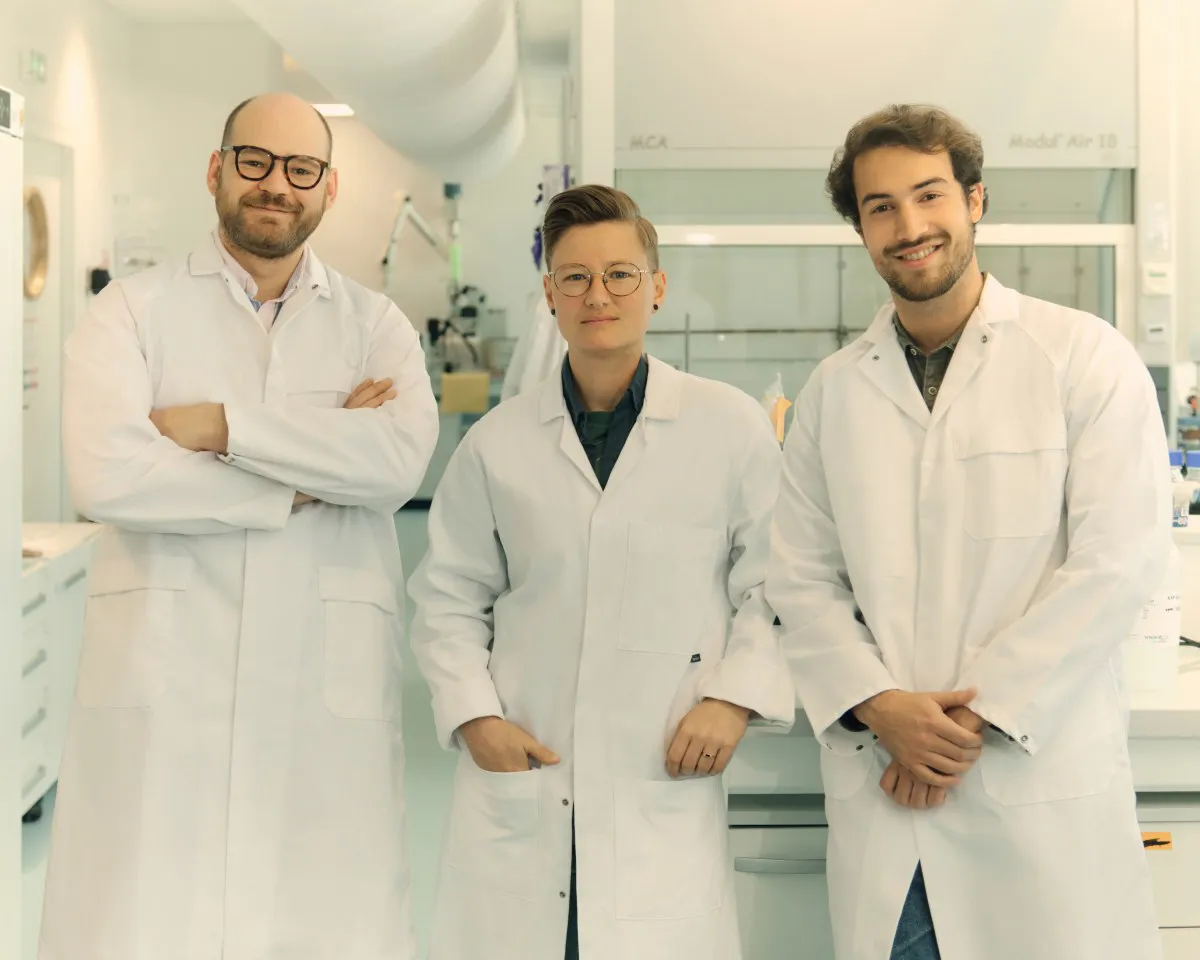
In a bold move that underscores the growing urgency for sustainability in the fashion industry, Lululemon has invested $30 million in Syntetica, a French startup specializing in nylon recycling. This funding marks Syntetica's Series A round and highlights a crucial pivot in how premium apparel brands are addressing the environmental impact of textile waste, especially in the realm of synthetic materials like nylon. As the fashion industry grapples with increasing scrutiny over its ecological footprint, Syntetica offers a promising solution to a persistent problem: how to effectively recycle materials that are both durable and difficult to reuse.
Founded by Marco Bertone and Louis Monsigny, Syntetica has developed a novel method to recycle two types of nylon—Nylon 6 and Nylon 6,6—which are notoriously challenging to separate in post-consumer textile waste. With millions of tons of clothing ending up in landfills annually, the need for more circular approaches in fashion is not just a trend but a necessity. Bertone's vision reflects a pragmatic approach to sustainability, one that emphasizes cost competitiveness and scalability without the burden of a 'green premium'.
Understanding the Nylon Recycling Challenge
Nylon, a synthetic polymer commonly used in activewear, is prized for its strength and elasticity. However, its widespread use has led to significant environmental concerns, particularly regarding its biodegradability. Traditional recycling methods often fail to effectively separate different types of nylon, making it difficult to reuse these materials in new products. Syntetica aims to change that landscape.
Market Context and Regulatory Support
The backdrop of Syntetica's rise is marked by recent volatility in nylon prices, largely driven by geopolitical tensions affecting oil supplies. This unpredictability has prompted many brands to reconsider their reliance on petroleum-sourced materials. According to Bertone, “It’s been a wake-up call to many brands that have been relying on petrol-sourced nylon and petrol-sourced synthetics for pricing and convenience.” This shift in perception is further bolstered by increasing regulatory pressures for sustainability across Europe, where the European Union has initiated various policies to reduce plastic waste.
- Nylon 6 and Nylon 6,6: The two types of nylon targeted by Syntetica for recycling.
- Market volatility: Geopolitical events have led to significant price fluctuations in nylon.
- Sustainability regulations: Stricter environmental policies are pushing brands toward sustainable practices.
- Consumer awareness: Shifting customer expectations demand greater transparency in sourcing and production.
A Collaborative Approach to Sustainability
In a departure from traditional recycling methods, Syntetica is not focused on producing new textiles or materials. Instead, the startup plans to provide recycled nylon pellets that can be used by established manufacturers to create new products. This model relies heavily on partnerships with major brands, a strategy that Syntetica has successfully implemented with the likes of Lululemon, Victoria's Secret, and Etam. These partnerships are essential for scaling their operations and ensuring that their recycled materials find a place in the existing supply chain.
Innovation Through Collaboration
Syntetica's partnerships extend beyond apparel companies. In a notable collaboration, the startup has teamed up with Michelin’s Center for Sustainable Materials to establish a commercial demonstration facility in Clermont-Ferrand, France. This facility is expected to be a pivotal step in showcasing Syntetica's capabilities, allowing for large-scale production of recycled nylon pellets. By working closely with established players, Syntetica aims to secure buy-in from various stakeholders throughout the value chain, thereby enhancing its chances of success.

Future Plans and Scaling Up
With its Series A funding, Syntetica is poised to ramp up production and expand its operations. Bertone emphasizes the importance of focusing on scalability, stating, “We have to be comfortable taking more risks than industrials; otherwise, there would be no innovation.” The startup plans to demonstrate its ability to produce hundreds of tons of recycled pellets annually, establishing a foothold in the global textile recycling market.
Global Ambitions
While Syntetica has its roots in France, its aspirations are undoubtedly global. The startup intends to build additional facilities worldwide, strategically located near sources of textile waste and textile production hubs. This approach will not only streamline logistics but also enhance the efficiency of the recycling process. However, Bertone acknowledges the competitive landscape, which includes other innovative startups employing enzymatic approaches to recycling, as well as established chemical giants like BASF that have developed their own recycled nylon technologies.
Broader Implications for the Fashion Industry
Lululemon's investment in Syntetica is part of a broader trend of major brands seeking sustainable solutions within their supply chains. The activewear giant has previously invested in other textile recycling initiatives, such as Epoch Biodesign and Samsara Eco, highlighting its commitment to sustainability. As the fashion industry faces increasing pressure from consumers and regulators alike, the need for scalable, effective recycling solutions becomes ever more critical.
Collective Efforts for Sustainability
Bertone's perspective on competition within the recycling space is refreshing. He asserts that the industry needs multiple players to succeed in tackling the enormous challenge of textile waste. “If everyone were to scale to tens of factories, we still wouldn’t solve this problem,” he says. His call for unity and collaboration among competitors reflects a growing recognition that sustainable practices must become the norm, not the exception.
Key Takeaways
- Lululemon's $30 million investment signals a shift toward sustainable practices in fashion.
- Syntetica focuses on recycling Nylon 6 and Nylon 6,6, making it easier to reuse these materials.
- Strategic partnerships with major brands are crucial for Syntetica’s scaling and success.
- Regulatory trends in Europe are pushing the fashion industry toward circular economy models.
- Collaboration among competitors is essential to effectively address the textile waste crisis.

Frequently Asked Questions
What is Syntetica's business model?
Syntetica's business model centers around recycling Nylon 6 and Nylon 6,6 into pellets that can be used by textile manufacturers to create new products. This approach eliminates the need for Syntetica to produce textiles directly, allowing them to focus on refining their recycling processes and building partnerships with established brands.
Why is nylon recycling important?
Nylon recycling is crucial due to the environmental impact of synthetic textiles. Traditional nylon production relies heavily on fossil fuels, contributing to pollution and waste. By finding ways to recycle nylon effectively, companies like Syntetica can help reduce landfill contributions and promote a more circular economy in the fashion industry.
How does Syntetica differentiate itself from competitors?
Syntetica differentiates itself by focusing on pragmatic industrial partnerships and emphasizing cost-effectiveness in its recycling processes. Unlike some competitors that may pursue more experimental or costly methods, Syntetica aims for scalability and practical solutions that can be integrated into existing supply chains.
What are the future plans for Syntetica?
Syntetica plans to use its Series A funding to scale up production of recycled nylon pellets, with ambitions to expand globally. The company also aims to establish new facilities in key locations to streamline its operations and enhance its capacity to recycle textile waste effectively.
Comments
Whatnot's Strategic Acquisition of Shaped: Revolutionizing Live Shopping Experiences
Whatnot's acquisition of Shaped marks a pivotal step in enhancing real-time shopping recommendations, targeting the challenges of live commerce. This move not only boosts personalization but also positions Whatnot as a leader in the rapidly evolving e-commerce landscape.
Related articles



Popular in SaaS Reviews
- Roost: The 'Slow-cial' App Redefining Digital Communication
- Uber's Expansion Beyond Ride-Hailing: The Future of Travel and Services
- Sweden's Startup Surge: The Forces Behind a Booming Ecosystem
- X's Algorithm Update: Creating a More Community-Focused Experience
- Elon Musk's Vision for X: Real-Time Misinformation Corrections via DMs