Smartphone Shipments Plummet Amid Memory Chip Shortage: Winners and Losers
As smartphone shipments hit historic lows due to rising memory costs, Apple and Samsung emerge as unlikely beneficiaries, maintaining their market positions amidst economic uncertainty.
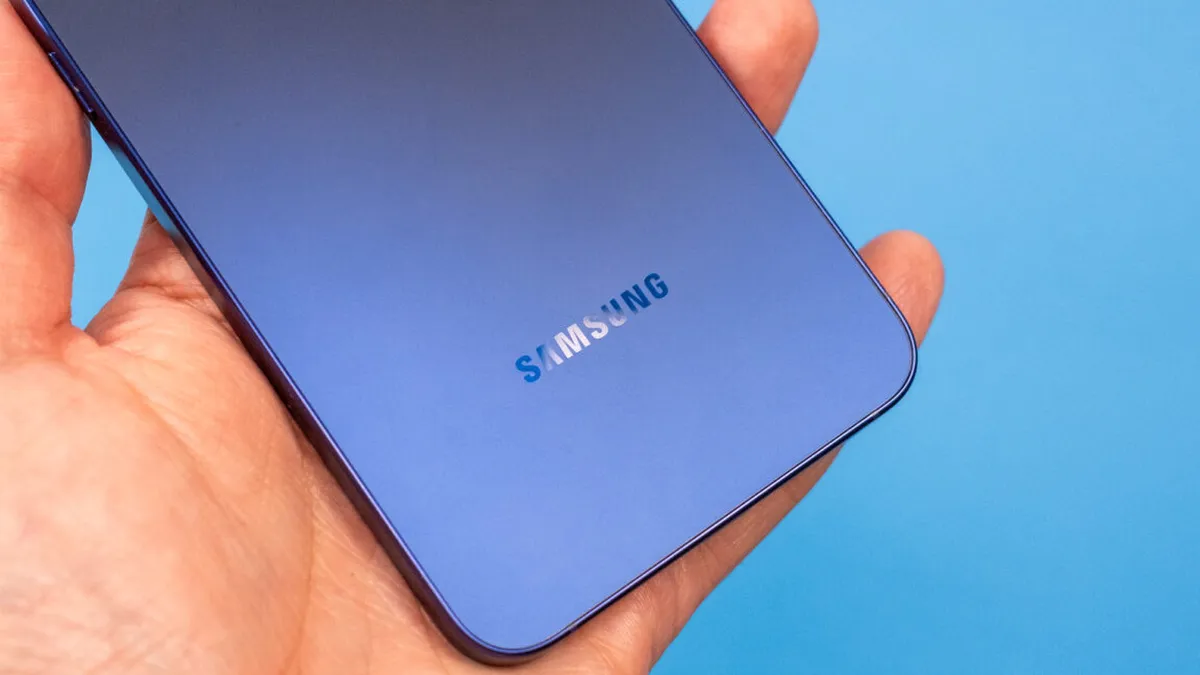
The smartphone market is facing unprecedented challenges as shipments reach their lowest levels in over a decade. In the second quarter of 2026, a staggering 11% drop was reported, driven largely by escalating memory chip prices and an evolving technological landscape. This dramatic decline has not only reshaped the competitive landscape but has also exposed the vulnerabilities of many smartphone manufacturers. However, amidst this turmoil, two giants, Apple and Samsung, have managed to maintain their footholds, demonstrating resilience in a market increasingly influenced by artificial intelligence (AI) and component shortages.
According to analysts at Counterpoint, this significant decline brings smartphone shipments to levels not seen since 2013. The crux of the issue lies in the soaring costs of DRAM and NAND chips, essential components for modern smartphones. With manufacturers pivoting towards the booming AI sector, the availability of these crucial chips for consumer devices has dwindled. As a result, many consumers are hesitating to invest in new smartphones, especially budget-conscious buyers who are feeling the pinch of rising prices.
Market Dynamics: The Impact of Memory Chip Shortages
The ongoing memory shortage, which some analysts have humorously dubbed the 'RAMpocalypse', has led to a profound transformation in the smartphone market. The rising prices of memory components are particularly detrimental to budget devices, which often rely heavily on affordable DRAM and NAND solutions. A recent report from Omdia highlights that memory can constitute nearly half of the manufacturing cost for smartphones priced below $500. This makes it exceedingly challenging for manufacturers to maintain competitive pricing while still turning a profit.
The Ripple Effects on Consumer Pricing
As smartphone manufacturers grapple with increasing costs, they have resorted to raising prices across various segments. This trend is especially pronounced for mid-range and budget devices, where consumers are now witnessing significant price hikes. For instance, a budget smartphone that once retailed for $400 may now cost upwards of $500, a shift that could deter potential buyers. Meanwhile, flagship devices have seen more modest increases, as high-end consumers are often less sensitive to price changes.
- Memory costs can make up to 50% of a budget smartphone's manufacturing cost.
- Flagship devices are less affected, with memory accounting for over 25% of their cost.
- Many consumers are holding onto existing devices longer, leveraging extended software support as a reason to delay upgrades.
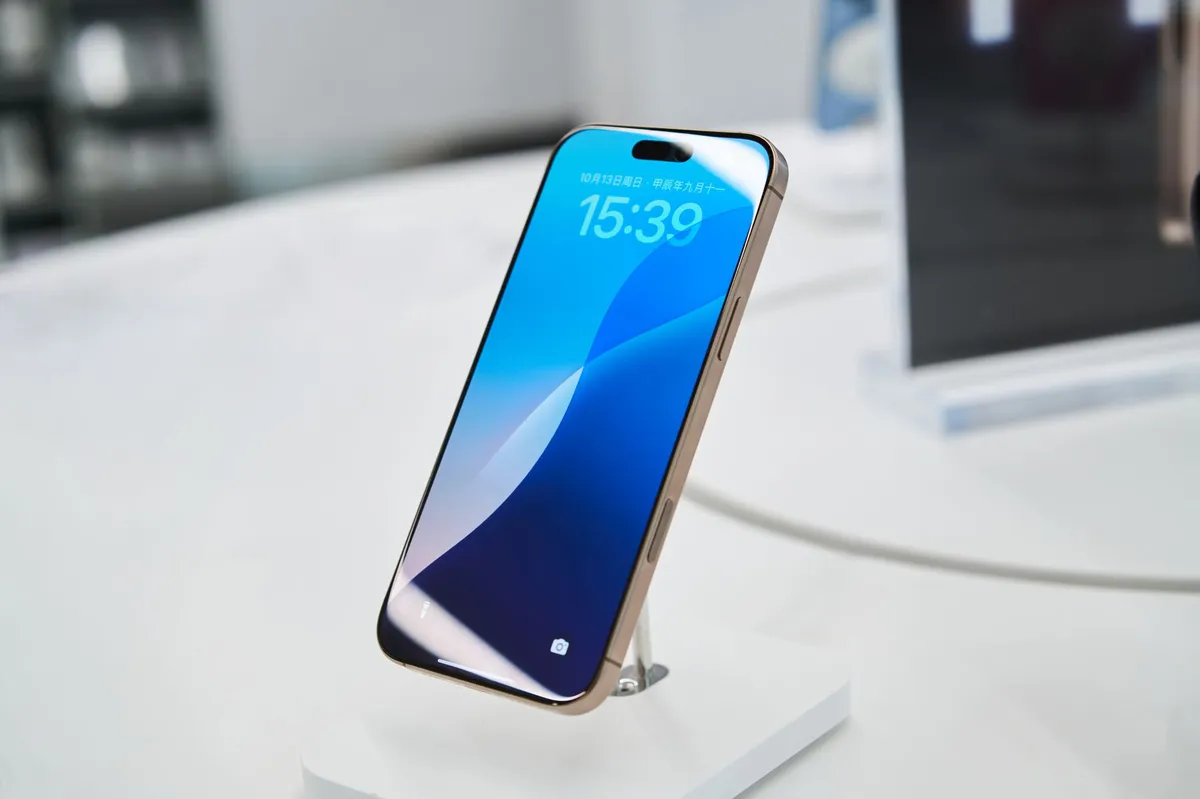
Apple and Samsung: Fortunate Survivors
Amidst the downturn, Apple and Samsung have shown remarkable resilience, with both companies reporting positive shipment figures in the latest quarter. Apple, in particular, experienced a 3% increase in shipments, managing to stabilize prices for its latest devices. This strategy has allowed Apple to capture a larger market share, even as competitors struggle with declining sales.
Samsung's Strategic Moves
Samsung, on the other hand, has reclaimed its position as the world's top smartphone manufacturer, accounting for 24% of global shipments according to Counterpoint. Its success can be attributed to its focus on flagship models, particularly the Galaxy S26 series, which has seen strong sales despite higher price points. The company's ability to balance premium features with strategic pricing has enabled it to thrive in an otherwise challenging market.
Moreover, Samsung's aggressive marketing strategies in emerging markets like India and the Middle East have bolstered its sales figures. By offering competitive pricing and promotions, Samsung has effectively catered to budget-conscious consumers, counteracting the broader trend of declining sales.
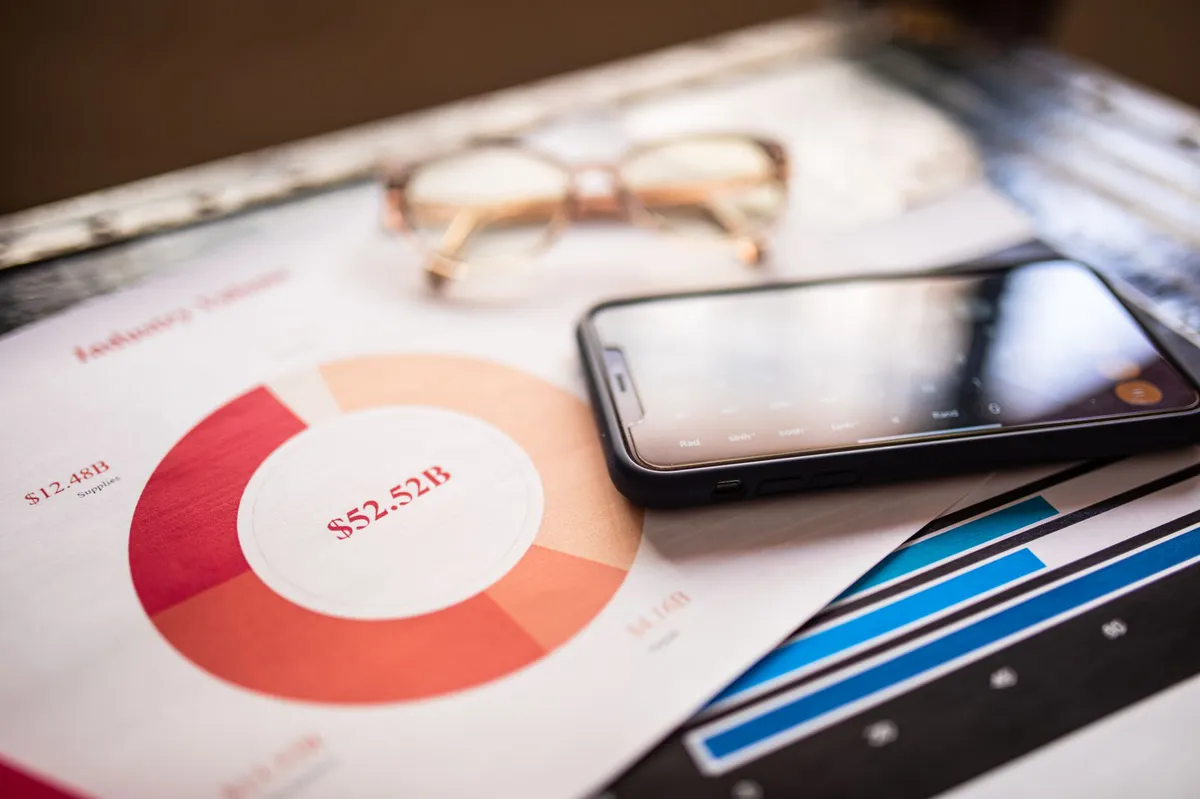
Emerging Trends: Shifts in Consumer Behavior
The memory shortage and resultant price increases are prompting shifts in consumer behavior. Many individuals are now opting to retain their existing devices for longer periods, influenced by the growing trend of extended software support. Both Samsung and Google have recently committed to providing seven years of updates for their devices, matching Apple’s long-standing support policy.
The Long-Term Outlook
As smartphone manufacturers navigate this turbulent landscape, the future remains uncertain. Analysts predict that the component shortage will persist well into 2027, compelling companies to focus on higher-margin devices while potentially phasing out budget models. This could lead to a fundamental shift in how consumers perceive and purchase smartphones, moving them closer to an appliance model where devices are replaced less frequently and with an expectation of longer life spans.
Key Takeaways
- Smartphone shipments fell 11% in Q2 2026, the lowest since 2013.
- Memory prices are significantly impacting budget smartphone production costs.
- Apple and Samsung have reported positive shipment figures, capitalizing on higher-end models.
- Consumers are increasingly holding onto older devices, influenced by extended software support.
- The ongoing chip shortage may reshape the smartphone market for the foreseeable future.
Frequently Asked Questions
What caused the decline in smartphone shipments?
The decline in smartphone shipments is primarily attributed to the rising costs of DRAM and NAND chips, which are essential for smartphone manufacturing. As companies shift their focus towards AI computing, the availability of these components for consumer devices has diminished, leading to increased prices and reduced consumer interest in purchasing new smartphones.
How are Apple and Samsung managing to sustain sales?
Apple and Samsung have managed to sustain sales by focusing on higher-end models while maintaining stable pricing for their flagship devices. Apple, for instance, has seen a 3% increase in shipments by keeping prices steady, whereas Samsung has benefited from strong sales of its Galaxy S26 series despite price hikes, allowing it to reclaim its position as the leading smartphone manufacturer.
What should consumers expect moving forward?
Consumers can expect a shift in the smartphone market as manufacturers likely phase out budget models and increase prices for remaining devices. This change may lead to consumers treating smartphones more like appliances, purchasing them less frequently and expecting longer support periods. As companies like Samsung and Google extend software support to seven years, buyers may feel less pressure to upgrade regularly.
Will the memory chip shortage continue to affect the market?
Yes, analysts predict that the memory chip shortage will persist at least through 2027. This ongoing issue is expected to continue driving price increases for smartphones, particularly in the budget segment, while compelling manufacturers to focus on higher-margin products. This could fundamentally alter the way consumers approach smartphone purchases in the long term.
Comments
1Password's Bold Move into AI Cost Management: A New Era for Enterprises
1Password is expanding its SaaS Manager platform to tackle the rising challenge of AI-related spending, providing businesses with a comprehensive view of their AI service costs. This shift aims to address the chaos of consumption-based pricing that threatens enterprise budgets.

Related articles
Popular in SaaS Reviews
- Roost: The 'Slow-cial' App Redefining Digital Communication
- Uber's Expansion Beyond Ride-Hailing: The Future of Travel and Services
- Sweden's Startup Surge: The Forces Behind a Booming Ecosystem
- X's Algorithm Update: Creating a More Community-Focused Experience
- Elon Musk's Vision for X: Real-Time Misinformation Corrections via DMs