Uber's Robotaxi Strategy: Navigating a Complex Legislative Landscape
Uber's latest lobbying efforts in Washington, D.C., are positioning it against Waymo. As the battle over robotaxi regulations unfolds, the implications for the ride-hailing industry are profound.
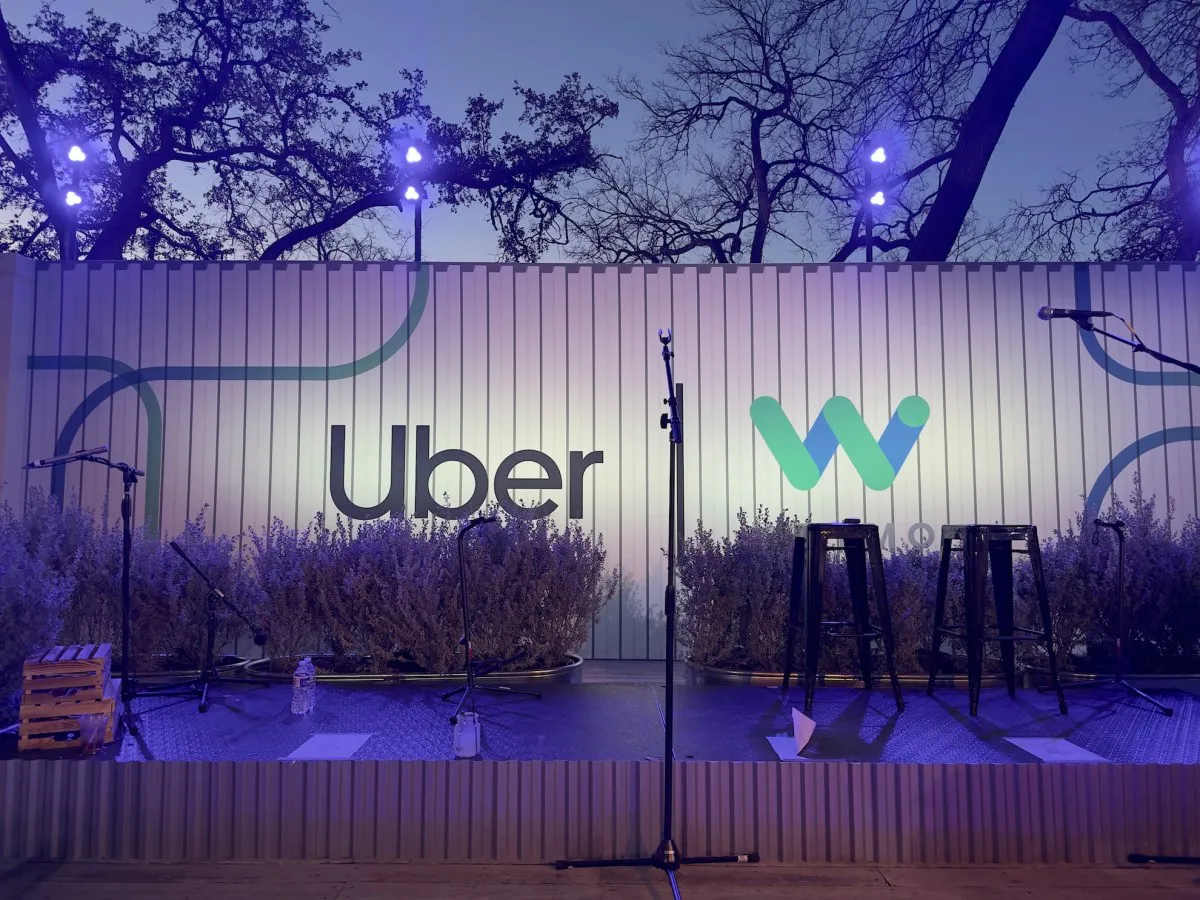
As the landscape of urban mobility shifts towards automation, Uber is at the forefront of a contentious lobbying battle that threatens to reshape the future of ride-hailing services in Washington, D.C. A proposed bill aiming to allow autonomous vehicles (AVs) to operate without human drivers has emerged as a pivotal point of contention between ride-hailing giant Uber and its business partner, Waymo, which is owned by Alphabet Inc. This legislative struggle is not just a local issue; it raises important questions about the future of work, traffic dynamics, and the very nature of transportation in the United States.
The proposed regulation, introduced by D.C. Councilmember Charles Allen, seeks to amend the existing Autonomous Vehicle Act of 2012 to facilitate the testing and commercial operation of driverless vehicles. While Waymo supports the bill, arguing that it will advance public safety and equitable access to transportation, Uber has taken an opposing stance, claiming that the legislation could effectively monopolize the market for AVs in the region.
The Bill: A Double-Edged Sword for the Industry
The D.C. bill is designed to address the growing presence of AV technology by allowing companies to operate without a human safety operator behind the wheel, provided they meet specific requirements such as maintaining a minimum of $5 million in liability insurance. Additionally, the bill proposes a $0.15 per mile tax on robotaxi operators, which critics argue could stifle the industry's growth. This tax aims to generate revenue, with half allocated to public transit initiatives and the other half directed towards workforce development for human drivers potentially displaced by automation.
- Proposed regulation will allow driverless vehicles to operate commercially.
- Companies must hold minimum $5 million liability insurance.
- Robotaxi operators to pay $0.15 per mile tax, raising concerns over feasibility.
- Half of the tax revenue will support public transit and workforce development.
Uber's Position: A Hybrid Network Model
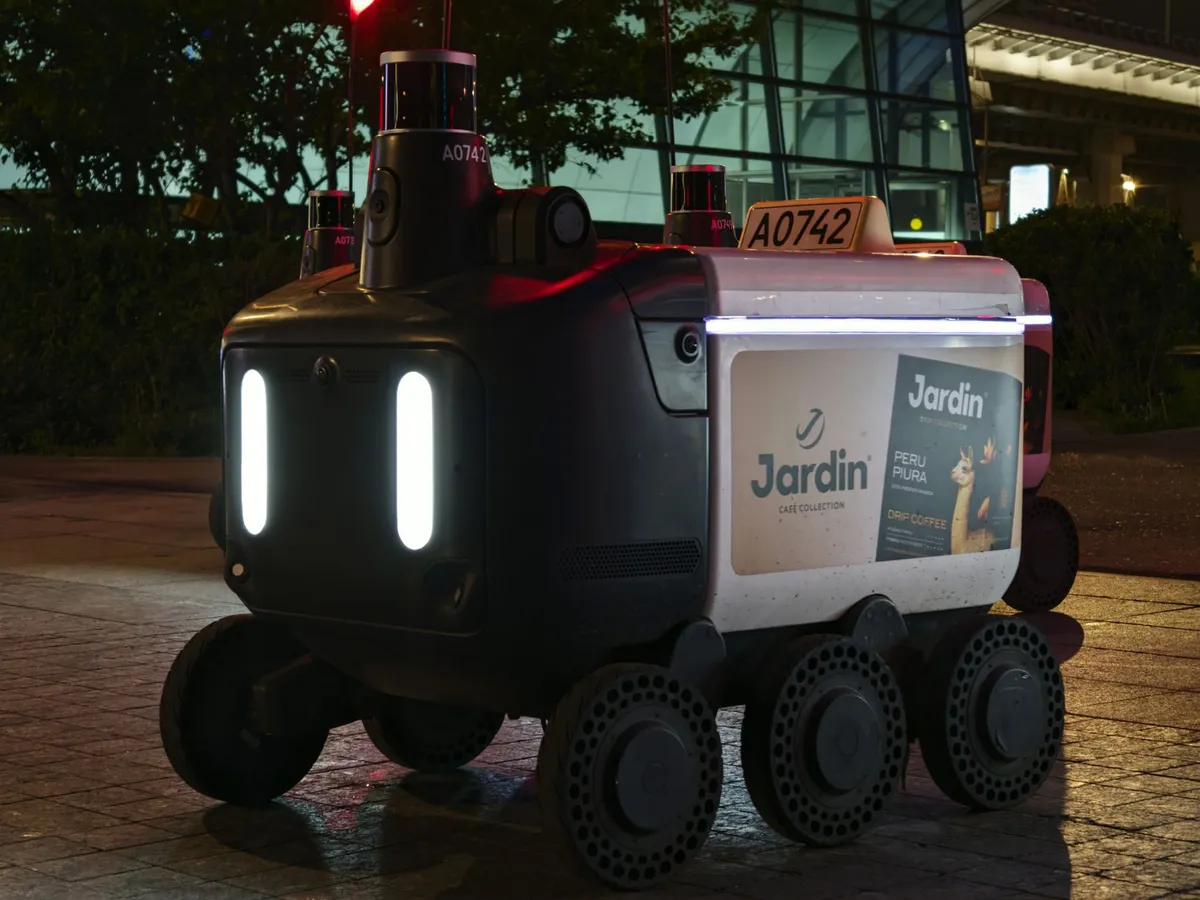
Uber's opposition to the bill stems from its desire to maintain a flexible, hybrid model that allows for the integration of both human drivers and AVs on its platform. Javi Correoso, Uber's head of U.S. policy and federal affairs, has articulated the company's vision for a system where consumers can choose between human-driven and autonomous vehicles when booking rides. He argues that such a model is essential to prevent congestion and ensure that vulnerable populations, like the elderly and disabled, continue to receive the personalized service that only human drivers can provide.
Correoso's comments reflect a broader strategic pivot for Uber, which has historically embraced a hands-off regulatory approach. Now, Uber is lobbying for a framework that would require AVs to operate alongside human-driven vehicles, arguing that this would enhance consumer choice and ensure a smoother transition as the industry adapts to new technologies.
Waymo's Vision: Embracing Full Autonomy
On the other side of the debate, Waymo is advocating for a future where AVs can operate independently, without the constraints of human drivers. The company contends that fully autonomous vehicles can significantly reduce traffic accidents, improve efficiency, and provide a more equitable transportation solution. Waymo argues that the D.C. bill would not only pave the way for safer AV deployment but would also support public transit options, expanding access for all residents.
Waymo's perspective highlights a fundamental dichotomy in the industry: while Uber focuses on maintaining its existing business model with human drivers, Waymo aims for a future where AVs dominate the landscape. This clash of visions places both companies on a collision course, as their differing approaches reflect broader tensions within the transportation sector.
Broader Implications for the Mobility Ecosystem
The stakes in this legislative battle extend beyond Uber and Waymo. Numerous stakeholders, including labor unions, disability rights groups, and local businesses, are closely monitoring the situation. The outcome of the D.C. bill could set a precedent for how AVs are regulated not just in the nation’s capital, but across the entire country.
As the hearing date approaches, various organizations are preparing to voice their opinions. For instance, labor unions like the Teamsters are concerned that the bill could lead to widespread job losses for drivers. Conversely, disability advocacy groups are worried about the potential lack of accommodations for individuals who rely on the assistance of human drivers.
The Role of Lobbying and Public Perception
Uber's lobbying efforts have intensified as it seeks to sway public opinion and policymakers. The company has previously faced backlash for its aggressive tactics, which have included ignoring local regulations and opposing union-backed initiatives. However, with the rise of AV technology, Uber appears to be recalibrating its approach, presenting itself as a pro-driver advocate while simultaneously pushing for policies that would favor its operational model.
Opposition to the bill has even spurred the formation of an anti-robotaxi campaign, led by the Coalition for Accountability and Road Safety, which is gaining traction among local voters. The campaign raises concerns about the safety and reliability of AVs, questioning the adequacy of regulations that could allow for widespread deployment without adequate oversight.
Key Takeaways
- Uber and Waymo's lobbying efforts highlight a significant regulatory battle.
- The proposed D.C. bill aims to modernize AV regulations but faces opposition from major stakeholders.
- A hybrid ride-hailing model could reshape the future of both companies.
- The outcome will have implications for drivers, AV developers, and consumers across the nation.
Frequently Asked Questions
What is the proposed D.C. bill about?
The proposed legislation seeks to amend the Autonomous Vehicle Act of 2012 to allow for the commercial operation of driverless vehicles in Washington, D.C. This includes issuing permits for AV testing and operation without a human safety driver, which could change the landscape of urban transportation significantly.
Why is Uber opposing the bill?
Uber opposes the bill because it believes it would create a monopoly for companies like Waymo, potentially displacing human drivers and reducing consumer choice. The company advocates for a hybrid model that would allow both human drivers and AVs to operate within the same network, ensuring that consumers can choose their preferred mode of transportation.
How does this impact the future of ride-hailing?
The outcome of this legislative battle could reshape the ride-hailing industry by determining whether AVs can operate independently or must coexist with human drivers. This decision will influence the viability of both human-driven ride-hailing services and the future of AV technology deployment, affecting millions of users and drivers across the country.
Comments
Reed Jobs: Beyond the Legacy, Aiming to Cure Cancer with AI Power
Reed Jobs, son of the iconic Steve Jobs, is making waves in the biotech industry with his venture firm, Yosemite. Focused on oncology and powered by AI advancements, he is determined to create innovative cancer treatments and disrupt traditional drug development processes.

Related articles

Popular in SaaS Reviews
- Roost: The 'Slow-cial' App Redefining Digital Communication
- Uber's Expansion Beyond Ride-Hailing: The Future of Travel and Services
- Sweden's Startup Surge: The Forces Behind a Booming Ecosystem
- X's Algorithm Update: Creating a More Community-Focused Experience
- Elon Musk's Vision for X: Real-Time Misinformation Corrections via DMs