Voice AI Revolution: India's Ringg Secures Funding to Expand Automation Beyond Calls
Ringg, a pioneering voice AI startup in India, has raised $10 million to enhance its services and expand beyond traditional phone calls. This funding comes as the demand for voice communication solutions in consumer interactions continues to rise.
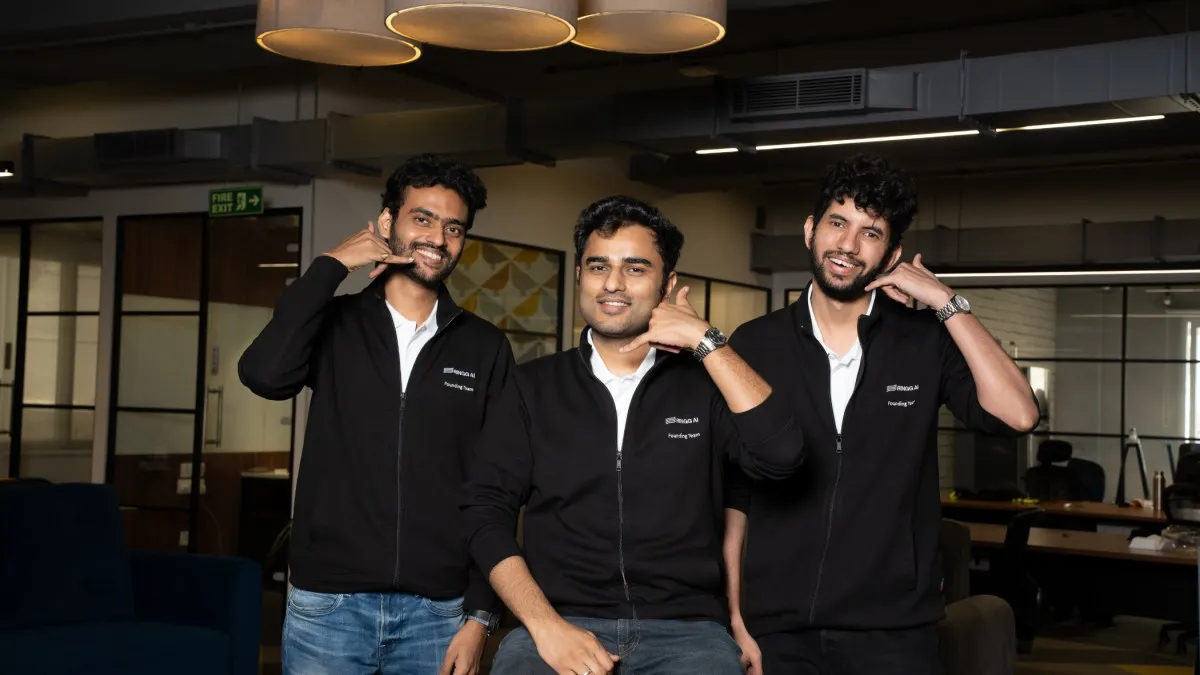
In a market where the preference for voice communication continues to soar, Indian startup Ringg is making significant strides in the voice AI sector. Recent studies indicate that over 76% of consumers in India express a preference for communicating with businesses via phone calls, highlighting a substantial opportunity for automation in customer support and outreach. Recognizing this trend, Ringg has raised $10 million from Peak XV Partners, as part of an ongoing Series A funding round. This follows an earlier raise of $5.5 million earlier this year, bringing the total for this round to $15.5 million and positioning Ringg to capitalize on the booming demand for voice AI solutions.
Understanding the Voice AI Landscape in India
Ringg's journey began as a text-to-speech startup called DesiVocal, but the founders quickly pivoted to developing voice AI agents for enterprises due to the high costs associated with training their own speech models. The pivot has proven successful, with Ringg now processing an impressive 20 million call attempts monthly.
Market Opportunity in Voice Communication
The rise of voice AI in India is not just about technology; it reflects a cultural preference for voice interactions. As businesses increasingly recognize the importance of personalized customer engagement, voice AI serves as a bridge, automating processes that enhance user experience while reducing operational burdens.
Expanding Beyond Basic Use Cases
Initially, Ringg focused on high-volume, low-complexity use cases such as outbound calling, lead qualification, and loan collection. However, co-founder Siddharth Tripathi notes that these applications are not sustainable long-term due to their low customer retention rates. To pivot from this model, Ringg has begun targeting more complex workflows, including:
- Appointment booking for healthcare clinics
- Abandoned-cart recovery for e-commerce
- Onboarding and KYC (Know Your Customer) checks for fintech applications
These new applications indicate a strategic shift towards providing higher-value tasks, which are more likely to foster a lasting partnership with clients.

Innovative Solutions and Client Base
Ringg's technology is already making waves in various sectors. For example, its voice agent currently operates in over 1,200 clinics through the healthcare app Practo, facilitating appointment bookings and follow-up communications. While voice calls constitute more than 70% of Ringg's business, the startup is also branching out into other communication channels such as chat and WhatsApp. This diversification is crucial as businesses look for comprehensive solutions that can automate customer interactions across multiple platforms.
Strategic Partnerships and Global Aspirations
Ringg's current clientele is predominantly based in India, with a growing presence in the Middle East and the United States. However, the startup is not directly targeting U.S. companies for sales; instead, it aims to collaborate with Global Capability Centers in India. These are offshore hubs where multinational corporations often depend on local expertise for back-office and support operations. By positioning itself as a partner that enhances human support with automation, Ringg seeks to offer a compelling value proposition.

Building a Robust Technical Foundation
One of Ringg's distinguishing features is its commitment to developing its own speech recognition and generation models. This deep technical capability enables the company to handle complex enterprise workflows effectively. However, as co-founder Tripathi points out, owning the entire voice stack, including infrastructure and deployment, remains a costly endeavor. For the time being, Ringg operates as an orchestration layer, routing tasks to various models based on specific use cases.
Competitive Landscape and Future Prospects
The Indian voice AI market is witnessing fierce competition. Companies like Deepgram, ElevenLabs, and local players such as Sarvam and Smallest.ai are all vying for dominance. Additionally, orchestration-focused startups like Bolna and Blue Machines are targeting the same niche that Ringg occupies, while specialized players like Gnani and Arrowhead are heavily focused on the finance sector.
The battleground for voice AI is evolving into a layered stack where different players focus on model development, orchestration, and application integration. The key to success will be who can build robust customer relationships and deliver measurable outcomes.

Key Takeaways
- Ringg has raised $10 million in Series A funding, totaling $15.5 million for the round.
- The startup processes 20 million call attempts monthly, showcasing the demand for voice AI solutions.
- Ringg is expanding its services beyond basic outbound calling to include complex workflows in healthcare and fintech.
- The company aims to partner with Global Capability Centers for broader market access.
- Competitive pressure in the voice AI market is intensifying, with numerous players vying for market share.
Frequently Asked Questions
What is voice AI, and how is it used in customer support?
Voice AI refers to the use of artificial intelligence technologies to enable machines to understand, process, and respond to human voice inputs. In customer support, voice AI is utilized to automate various interactions, such as answering frequently asked questions, managing appointment bookings, and providing personalized assistance. This technology helps improve efficiency, reduce wait times, and enhance overall customer experience.
How does Ringg differentiate itself from other voice AI companies?
Ringg distinguishes itself through its focus on developing proprietary speech recognition and generation models. This technical depth allows the company to tackle more complex enterprise workflows effectively. Additionally, Ringg's strategy of partnering with Global Capability Centers rather than directly targeting U.S. companies positions it uniquely in the market, enabling it to focus on enhancing human support through automation.
What future trends can we expect in the voice AI industry?
As the voice AI industry continues to evolve, we can anticipate several key trends, including increased integration of voice AI into various communication channels, enhanced personalization of customer interactions, and a greater focus on data privacy and security. Additionally, advancements in natural language processing and machine learning will likely lead to more sophisticated and capable voice AI systems.
How can businesses benefit from implementing voice AI solutions?
Businesses can benefit from implementing voice AI solutions in numerous ways, including increased operational efficiency, reduced costs associated with customer service, and improved customer satisfaction levels. By automating routine tasks and providing quick, accurate responses to customer inquiries, voice AI can help businesses streamline their operations and enhance the overall customer experience.
Comments
Instagram's 'First Draft' Makes Reels Editing Simpler for Creators
Instagram is rolling out its new 'First Draft' feature, aimed at streamlining the editing process for Reels. This innovative tool will help creators save time while producing engaging content.

Related articles


Popular in SaaS Reviews
- Roost: The 'Slow-cial' App Redefining Digital Communication
- Uber's Expansion Beyond Ride-Hailing: The Future of Travel and Services
- Sweden's Startup Surge: The Forces Behind a Booming Ecosystem
- X's Algorithm Update: Creating a More Community-Focused Experience
- Elon Musk's Vision for X: Real-Time Misinformation Corrections via DMs