Oura's Ambitious IPO: What It Means for the Smart Wearables Market
Oura, the smart ring manufacturer, is preparing for a significant IPO that could elevate its valuation to over $16 billion. This article explores the implications of this move, the competitive landscape, and the challenges Oura faces.
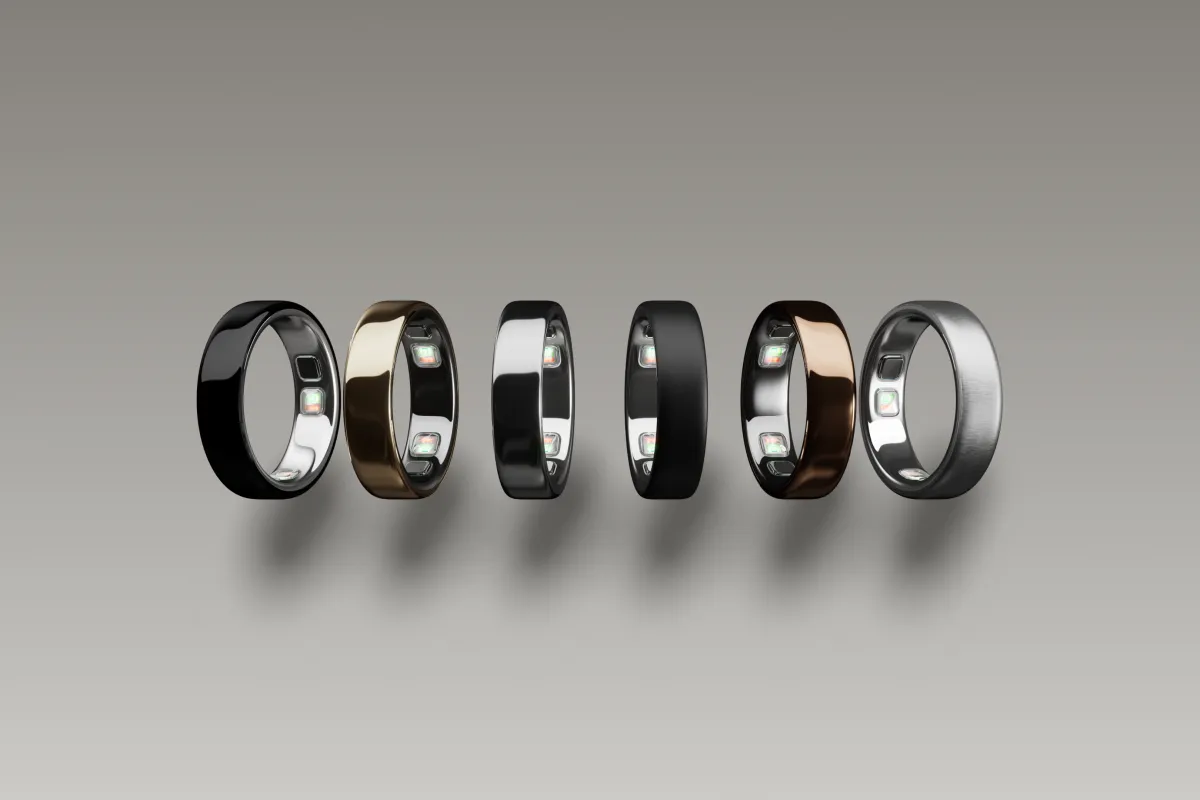
In the rapidly evolving landscape of health technology, Oura, the maker of the smart ring that has gained a cult following among health enthusiasts, is poised to make a substantial impact with its impending initial public offering (IPO). The company is reportedly aiming for a September IPO that could value it at over $16 billion. If successful, this would represent a significant leap from its previous valuation of $10.9 billion after closing an $875 million Series E funding round in September 2025.
With an ambitious goal of raising $3 billion through the IPO, Oura's plans have captured the attention of investors and health tech analysts alike. Founded in Finland and currently operating out of San Francisco, Oura has evolved from a niche product marketed towards biohacking CEOs to a mainstream brand focused on sleep and recovery. However, as it prepares for this IPO, Oura faces not only market competition but also legal challenges that could affect its valuation and public perception.
Oura's Growth Trajectory
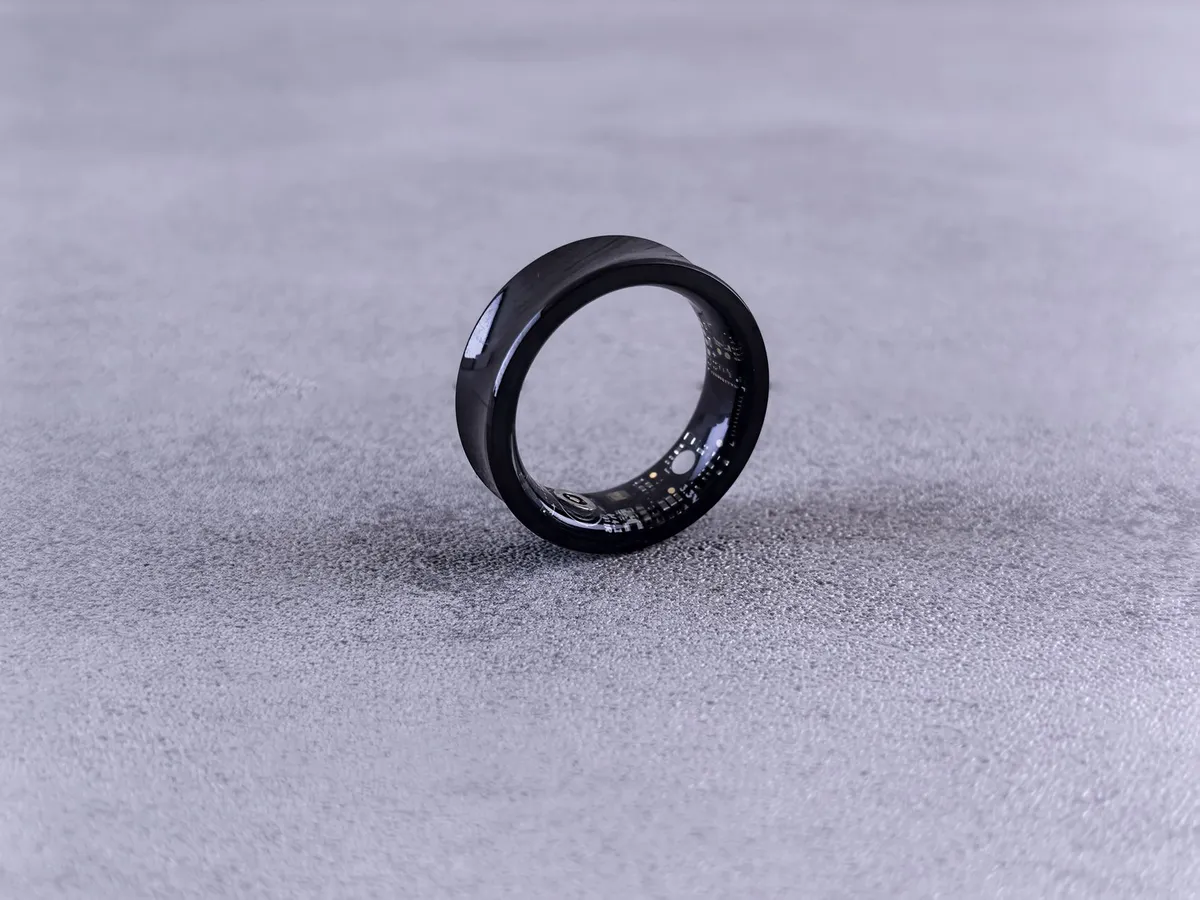
Oura's smart ring has become synonymous with sleep tracking and wellness monitoring. The company has reported impressive revenues, generating $500 million in 2024, projecting $1 billion in 2025, and forecasting nearly $2 billion for 2026. This growth trajectory has been fueled by an increasing demand for health monitoring devices, particularly as consumers become more health-conscious in the wake of the pandemic.
Market Positioning
The smart wearables market has exploded in recent years, with competitors like Apple, Fitbit, and the newly launched Samsung Galaxy Ring all vying for market share. However, Oura's unique value proposition lies in its ability to offer highly detailed sleep analytics and overall wellness insights. Unlike many other devices that focus solely on activity tracking, Oura emphasizes the importance of recovery and sleep quality, which resonates with a broader audience beyond fitness enthusiasts.
Competitive Landscape
While Oura has carved a niche for itself, it is not without competition. Its most formidable rival is Whoop, a wearable device that has transformed from a tool for elite athletes to a comprehensive fitness and health tracker. Whoop's recent expansion into hormone tracking and blood-panel testing has allowed it to appeal to a wider demographic, including women seeking insights into menstrual health and thyroid function. As of March 2026, Whoop achieved a valuation of $10 billion, underscoring the intense competition in the industry.
Oura's ability to adapt to market changes and consumer needs will be crucial as it moves towards its IPO. Both companies are innovating rapidly, and their competition will likely drive further advancements in wearable technology.
Legal Challenges and Consumer Trust
Despite its impressive growth, Oura is currently facing a proposed class-action lawsuit filed in San Francisco. The suit accuses the company of misleading consumers regarding the accuracy of its sleep tracking features. The allegations suggest that Oura claims to measure not only heart rates and temperatures but also the specific stages of sleep—a feat that typically requires clinical-grade equipment. The lawsuit highlights a growing concern among consumers about the reliability of health data collected by wearable devices.
In response, Oura has defended its technology, asserting that its sleep staging has been validated against polysomnography, the gold standard in sleep studies. The company's spokesperson emphasized that while the Oura Ring is not a medical device, multiple independent studies support their claims of accuracy. This legal battle poses a significant challenge for Oura, which must not only defend its practices but also maintain consumer trust during its IPO process.

Implications for Investors and the Market
Oura's IPO is expected to have far-reaching implications for the smart wearables market and investor sentiment. If Oura successfully raises its target amount, it could signal robust investor confidence in health tech companies and set a precedent for future IPOs in the sector. Analysts suggest that the broader implications of Oura's valuation could lead to increased interest and investments in similar companies that focus on health monitoring and wellness.
Potential Market Trends
The anticipated growth of the smart wearables market, projected to reach over $100 billion by 2028, underscores the strategic importance of Oura's IPO. As consumers increasingly prioritize health and wellness, devices that provide actionable insights will likely see heightened demand. Factors influencing this trend include:
- Consumer Awareness: A growing emphasis on health consciousness post-pandemic.
- Technological Advancements: Innovations in sensor technology and data analytics enhancing device capabilities.
- Market Diversification: Expanding product lines to cater to various demographics, including women and older adults.
Key Takeaways
- Oura is eyeing a September IPO with a valuation potentially exceeding $16 billion.
- The company has shown impressive revenue growth, projecting nearly $2 billion in 2026.
- Oura faces competition from Whoop and other major players in the smart wearables market.
- A proposed lawsuit may impact consumer trust and the overall perception of Oura's technology.
Frequently Asked Questions
What is Oura's primary product and how does it work?
Oura's primary product is the Oura Ring, a smart ring designed to track various health metrics, including sleep stages, heart rate, activity levels, and recovery. Utilizing advanced sensors and algorithms, the ring collects data that users can access via a mobile app, providing insights into their overall health and wellness. Its focus on sleep and recovery distinguishes it from other fitness trackers.
How does Oura compare to its competitors?
Oura stands out in the crowded wearables market due to its emphasis on sleep analytics and recovery. While companies like Fitbit and Apple focus on general fitness tracking, Oura's unique selling proposition is its detailed insights into sleep quality and overall well-being. Additionally, Oura's competition with Whoop, which has shifted its focus to a broader audience, highlights the dynamic nature of the wearables market.
What are the potential risks associated with Oura's IPO?
While Oura's growth and market position appear strong, the company faces several risks as it approaches its IPO. These include legal challenges regarding the accuracy of its sleep tracking claims, potential market saturation, and increasing competition from both established brands and new entrants. Moreover, any negative publicity or legal outcomes could adversely impact investor perception and market valuation.
How can consumers ensure they are making informed decisions about wearable technology?
Consumers should conduct thorough research before purchasing wearable devices. This includes reading reviews, understanding the accuracy of health metrics provided, and considering the overall reputation of the brand. Additionally, consumers should look for devices that have been validated through independent studies, ensuring that the technology delivers on its promises. Awareness of legal challenges faced by companies can also provide insight into potential reliability issues.
Comments
Showcase Your Startup at TechCrunch Disrupt 2026: Opportunities Await
TechCrunch Disrupt 2026 offers startups a unique platform to connect with investors and partners. Book your exhibit table now and secure your spot at this pivotal event.

Related articles



Popular in SaaS Reviews
- Roost: The 'Slow-cial' App Redefining Digital Communication
- Uber's Expansion Beyond Ride-Hailing: The Future of Travel and Services
- Sweden's Startup Surge: The Forces Behind a Booming Ecosystem
- X's Algorithm Update: Creating a More Community-Focused Experience
- Elon Musk's Vision for X: Real-Time Misinformation Corrections via DMs