Flipkart's Rapid Rise in India's Quick Commerce Market
Walmart's Flipkart is rapidly closing the gap in India's quick commerce sector, challenging established leaders like Swiggy's Instamart and Blinkit. As consumer preferences shift towards instant delivery, Flipkart's aggressive expansion strategy is set to reshape the market landscape.
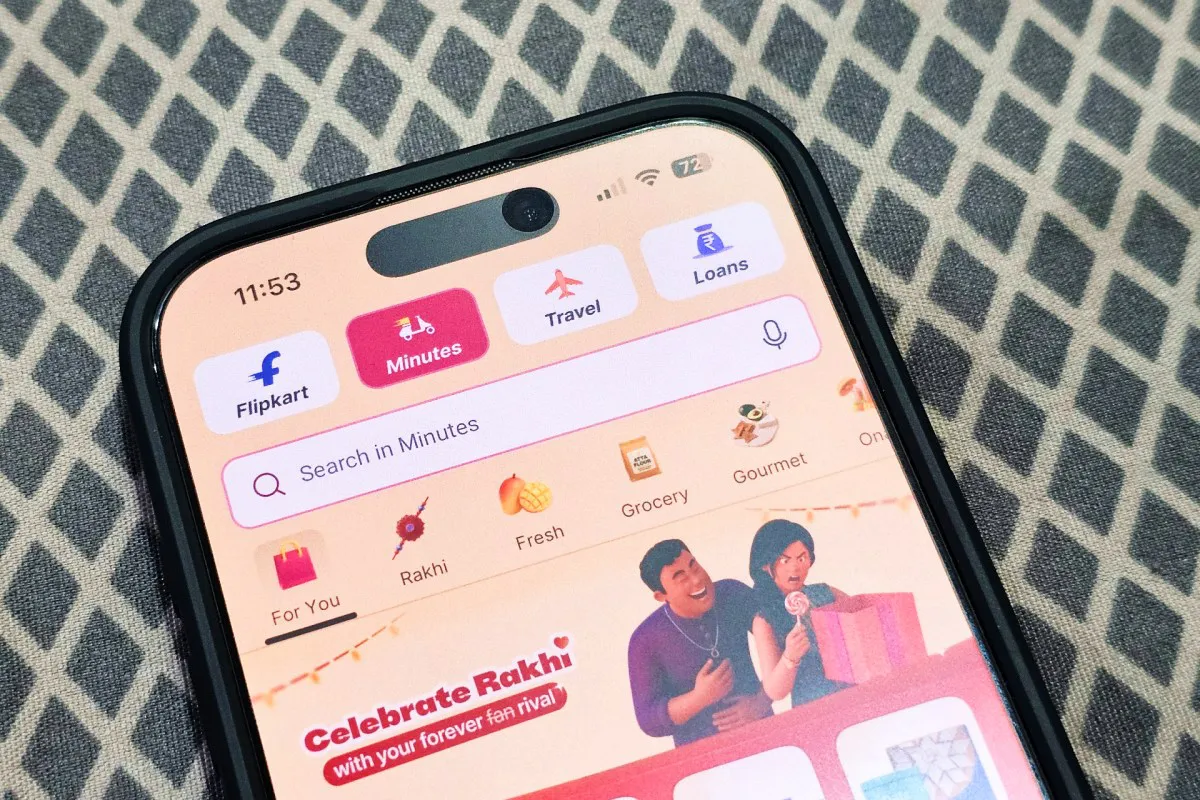
In the ever-evolving landscape of Indian e-commerce, the last two years have seen a seismic shift as consumer preferences have rapidly transitioned toward instant delivery. Walmart-owned Flipkart, which launched its quick-commerce service Flipkart Minutes in August 2024, is making significant strides in this competitive arena. With its daily order volume now approaching that of established players like Swiggy's Instamart, Flipkart is not just a player but a formidable contender in the race for quick commerce supremacy.
As of August 2026, Flipkart Minutes is delivering between 1.1 million to 1.2 million orders daily, a remarkable increase from 390,000 to 400,000 just nine months earlier. This growth trajectory highlights Flipkart's aggressive strategy to capture market share in an industry that has been dominated by early movers. Swiggy's Instamart, which has been operational since 2020, currently leads the market with approximately 1.4 million daily orders. However, with Flipkart closing the gap rapidly, the competition is heating up, prompting questions about the future dynamics of the quick commerce sector.
Understanding India's Quick Commerce Landscape
The term 'quick commerce' refers to the rapid delivery of groceries and everyday essentials, typically within minutes of placing an order. The concept gained traction during the pandemic, as consumers sought convenience and speed in their shopping experiences. Major players in this market include:
- Swiggy's Instamart: Launched in 2020, this platform has quickly established itself with over 14 million monthly users and a network of more than 1,200 dark stores across 130 cities.
- Blinkit: Originally founded as Grofers in 2013, Blinkit has become synonymous with quick commerce, processing between 3.4 million to 3.6 million orders daily.
- Zepto: Emerging in 2021, Zepto has carved out a significant niche with around 2.4 million to 2.6 million daily orders.
These platforms have conditioned Indian consumers to expect swift delivery times, creating a challenging environment for newer entrants like Flipkart Minutes.

Flipkart's Strategy for Success
Flipkart's rapid growth can be attributed to a multifaceted strategy focused on infrastructure expansion, leveraging existing customer relationships, and enhancing service offerings. The company has made substantial investments in its delivery network, operating approximately 1,020 to 1,050 micro-fulfillment centers—small warehouses strategically located to facilitate quick deliveries. This figure represents a significant increase from 600 in January 2026 and is projected to reach 1,500 by the end of the year.
Leveraging Existing Customer Base
One of Flipkart's key advantages is its existing e-commerce customer base. The company has spent years and billions of dollars acquiring a loyal audience, which it can now target with its quick commerce service. According to Satish Meena, an advisor at Datum Intelligence, Flipkart's established presence in the e-commerce sector positions it as a serious contender in the quick commerce space. With about 65% to 70% of customers on Flipkart Minutes being repeat buyers, the platform demonstrates strong customer retention and engagement.
Consumer Spending Trends in Quick Commerce
As Flipkart expands its offerings, it is also adapting to changing consumer preferences. The average spend per order on Flipkart Minutes ranges between ₹400 to ₹500 (approximately $4.20 to $5.20), with categories such as fruits, vegetables, staples, dairy, and meat witnessing significant growth. The company is also diversifying its product range to include higher-end gourmet items, catering to a wider array of consumer tastes.
Delivery Efficiency and Speed
Another critical factor in Flipkart's success is its commitment to reducing delivery times. The average delivery time has improved from 13 minutes to around 11 minutes over the past year. This efficiency not only enhances customer satisfaction but also positions Flipkart favorably against its competitors, who are similarly focused on improving service speed.

The Competitive Landscape and Future Outlook
The competition in the quick commerce space is not limited to established players like Instamart and Blinkit; Amazon has also entered the fray with its quick commerce service, Amazon Now. During a recent visit to India, Amazon CEO Andy Jassy highlighted that Amazon Now has become the company's fastest-growing business in the region, with orders doubling each quarter since its launch.
Both Flipkart and Amazon's pursuit of quick commerce is increasingly defensive. As consumers grow accustomed to instant delivery, the risk of losing market share to specialist quick-commerce platforms is a looming threat. Meena asserts that the shift in consumer expectations is irreversible: “Can you go back to scheduled delivery now in grocery? No, you will not go back.” This sentiment underscores the urgency for e-commerce giants to adapt and innovate continuously.

Key Takeaways
- Flipkart Minutes is rapidly closing the gap with established quick-commerce leaders, processing up to 1.2 million orders daily.
- The company is expanding its network of micro-fulfillment centers to enhance delivery efficiency and speed.
- Consumer spending trends indicate a shift toward higher-value grocery items, with substantial repeat purchases.
- Amazon's entry into the quick commerce market intensifies competition and raises the stakes for existing players.
Frequently Asked Questions
What is quick commerce, and why is it important?
Quick commerce refers to the rapid delivery of goods, often within minutes of placing an order. This model has gained importance due to changing consumer preferences for convenience and speed, particularly in the grocery sector. As more consumers expect instant gratification, businesses must adapt their delivery models to meet these demands, making quick commerce a pivotal aspect of modern retail.
How does Flipkart Minutes compare to its competitors?
Flipkart Minutes is a relatively new player in the quick commerce market but has quickly gained traction due to its aggressive infrastructure expansion and reliance on an existing customer base. While it is not yet the market leader, its daily order volume is rapidly approaching that of established competitors like Swiggy's Instamart, indicating strong growth potential.
What are the challenges facing quick commerce platforms?
Quick commerce platforms face several challenges, including high operational costs, maintaining service speed, and the constant pressure to innovate. Additionally, as consumer expectations evolve, platforms must continuously adapt their offerings to stay competitive, which can strain resources and profitability.
What trends should consumers expect in the quick commerce market?
Consumers can expect to see continued growth in product variety, including gourmet and specialty items, as quick commerce platforms aim to capture more of the grocery market. Additionally, improvements in delivery speed and customer service will likely remain a focal point, as companies strive to enhance the shopping experience in an increasingly competitive landscape.
Comments
Harvard's Innovative Startup Bootcamp Integrates AI Avatars for Feedback
Harvard Business School's new bootcamp leverages AI avatars for personalized feedback, transforming the entrepreneurial learning experience. Here's what you need to know about this groundbreaking program.

Related articles
Popular in SaaS Reviews
- Roost: The 'Slow-cial' App Redefining Digital Communication
- Uber's Expansion Beyond Ride-Hailing: The Future of Travel and Services
- Sweden's Startup Surge: The Forces Behind a Booming Ecosystem
- X's Algorithm Update: Creating a More Community-Focused Experience
- Elon Musk's Vision for X: Real-Time Misinformation Corrections via DMs