Nevada Greenlights Robotaxi Operations: What This Means for the Future
Nevada has officially approved permits for Tesla, Uber, and Waymo to operate thousands of robotaxis. This decision could reshape the transportation landscape in Las Vegas and beyond.
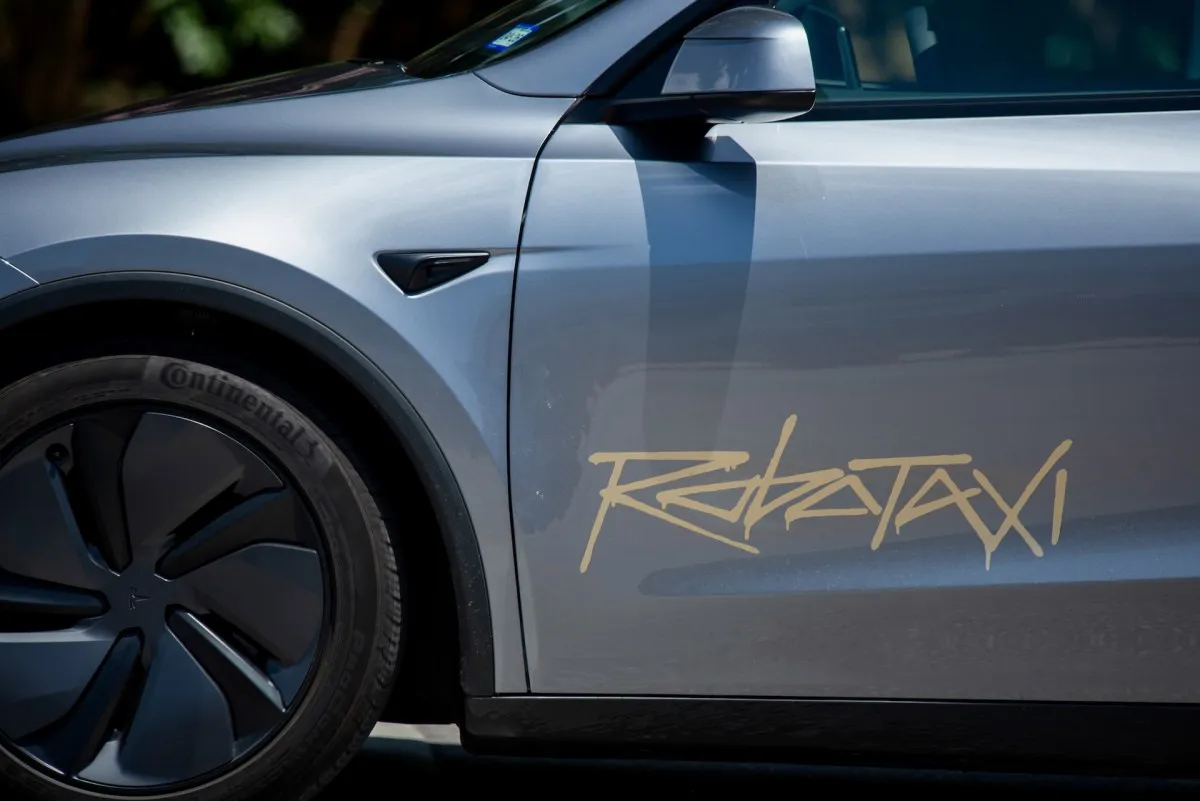
In a groundbreaking move, the Nevada Transportation Authority has unanimously granted permits to Tesla, Uber, and Waymo, enabling these tech giants to deploy thousands of robotaxis in Clark County, which includes the bustling city of Las Vegas. This decision marks a significant milestone in the evolution of autonomous vehicles and the ride-hailing industry, raising questions about the future of transportation, job markets, and regulatory frameworks.
With the potential deployment of up to 8,000 robotaxis over the next year, this expansion has ignited a mix of excitement and concern among stakeholders. While proponents herald the arrival of a new era in mobility, critics warn of oversaturation in the transportation market and the precarious fate of human drivers. As Nevada prepares for this technological leap, it’s essential to understand the implications and challenges that lie ahead.
The Robotaxi Rollout: What to Expect
The permits approved by the Nevada Transportation Authority allow Tesla to deploy up to 5,000 robotaxis, while Waymo and Uber can each operate 1,000 autonomous vehicles. However, the actual rollout numbers may fall short of these ceilings. During the hearing, Eric Early, Tesla's Cybercab chief engineer, suggested that achieving even 2,500 operational vehicles within a year would be a substantial success for the company. This conservative estimate reflects the challenges of scaling up operations and ensuring safety in a real-world environment.
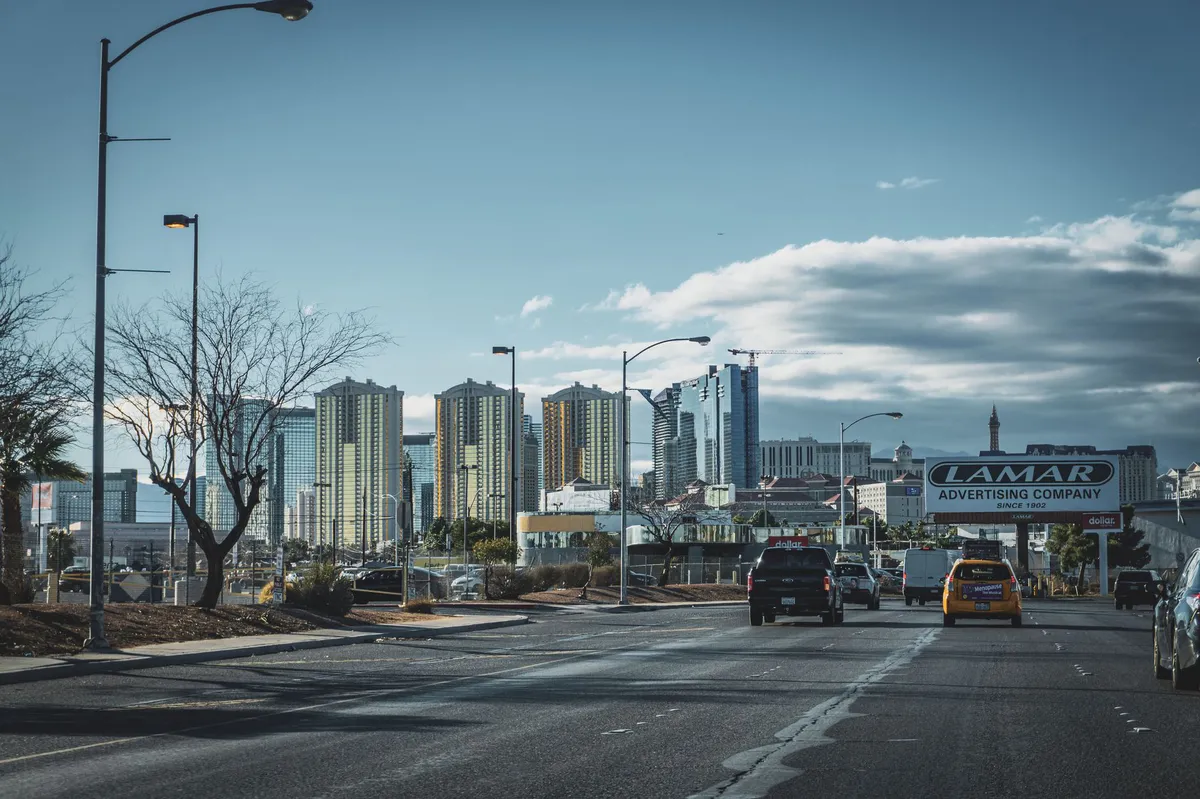
Las Vegas, known for its vibrant tourism and entertainment sectors, is set to become a testing ground for these autonomous services. Companies are keen to capitalize on the city's heavy foot traffic and demand for accessible transportation options, especially in tourist-heavy areas. However, the question remains: will these companies be able to deliver on their ambitious plans?
Impact on Employment and the Gig Economy
The introduction of robotaxis presents a double-edged sword regarding employment. On one hand, proponents argue that the rise of autonomous vehicles could create new job categories, such as vehicle maintenance, charging, and cleaning. On the other hand, critics fear that this shift will lead to significant job losses for human drivers, particularly in the gig economy where many rely on driving for their income.
Local taxi companies and the Livery Operators Association have expressed serious concerns about the rapid pace of these developments. Kimberly Maxson-Rushton, a lawyer representing taxi operators, highlighted two main issues: the potential oversaturation of the transportation market and increased congestion on the roads. The Golden Triangle area, which includes the airport and Las Vegas Boulevard, has been a focal point for AV testing, and the potential influx of thousands of robotaxis could exacerbate existing traffic challenges.
Balancing Innovation and Regulation
In a city known for its innovation but also its regulatory challenges, the introduction of robotaxis will require careful navigation. Uber has positioned itself as a proponent of a hybrid model that integrates both human drivers and robotaxis. This approach aims to ensure a gradual transition while addressing concerns about job displacement and market saturation. By lobbying for regulations that require a mix of human-driven and autonomous vehicles, Uber seeks to maintain its foothold in the evolving landscape of transportation.
Technological and Safety Considerations
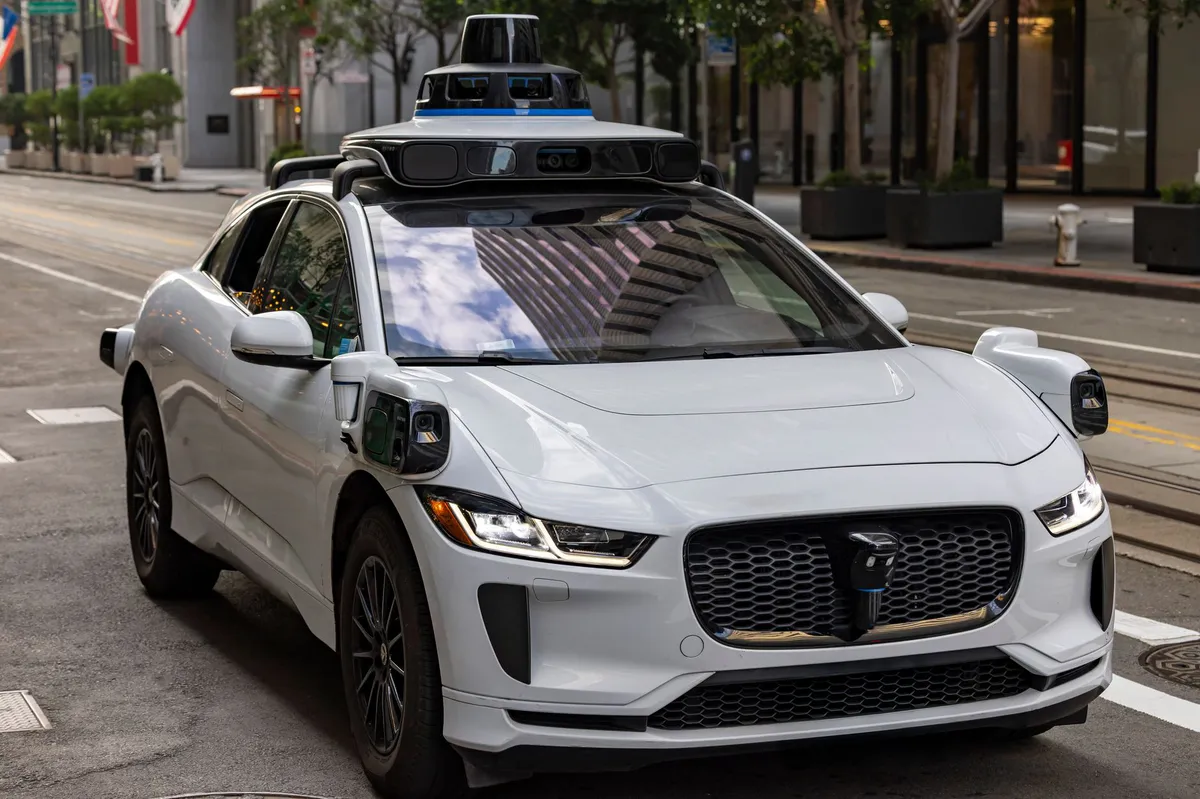
The technological advancements behind robotaxis are impressive, but safety remains paramount. Autonomous vehicles rely on sophisticated algorithms, sensors, and machine learning to navigate complex urban environments. However, the transition from testing to commercial operation involves rigorous safety standards and public trust.
For instance, while companies may have robust testing protocols in controlled environments, real-world scenarios can introduce unpredictable variables, such as pedestrians, cyclists, and other vehicles. The Nevada Transportation Authority's decision to approve these permits suggests a belief in the readiness of these technologies, but public perception and regulatory frameworks will play crucial roles in their successful deployment.
Public Perception and Future Prospects
The success of robotaxis in Nevada will largely depend on public acceptance. As consumers witness the integration of autonomous vehicles into their daily lives, their perceptions will shape the future of the industry. Education campaigns and transparent communication about the safety and benefits of robotaxis will be essential in fostering trust among potential riders.
Looking ahead, the implications of this rollout extend beyond Nevada. As other states observe the outcomes of the robotaxi deployment in Clark County, they may consider similar regulations or, conversely, impose stricter guidelines based on the results. The decisions made today could serve as a blueprint for the future of autonomous transportation across the United States.
Key Takeaways
- Nevada's approval allows Tesla, Uber, and Waymo to deploy a combined total of up to 8,000 robotaxis.
- While ambitious deployment targets have been set, actual operational numbers may be lower due to challenges.
- The introduction of robotaxis raises significant concerns about job displacement for human drivers.
- Public acceptance and regulatory frameworks will be crucial for the long-term success of autonomous vehicle services.
- Uber advocates for a hybrid model that incorporates both human drivers and robotaxis to address market concerns.
Frequently Asked Questions
What are the potential benefits of robotaxis for urban transportation?
Robotaxis promise to enhance urban mobility by providing a convenient, on-demand transportation option. They can reduce traffic congestion, lower transportation costs, and minimize the need for parking spaces in crowded areas. Additionally, they could contribute to environmental sustainability by decreasing reliance on traditional gas-powered vehicles, depending on the energy sources used to charge autonomous fleets.
How might robotaxis affect traditional taxi services?
The introduction of robotaxis could significantly disrupt traditional taxi services by offering consumers a more efficient and potentially cheaper alternative. As autonomous vehicles become more prevalent, traditional taxi operators may struggle to compete on pricing and service availability. This could lead to a reconfiguration of the taxi industry, where human drivers find it increasingly challenging to secure rides, prompting calls for regulatory protections to address the changing landscape.
What measures are in place to ensure the safety of robotaxis?
Safety measures for robotaxis include rigorous testing protocols, compliance with state regulations, and ongoing monitoring of vehicle performance. Companies must demonstrate that their autonomous systems can handle various road conditions and traffic scenarios effectively. Public safety agencies will likely require regular safety audits and data sharing to ensure that these vehicles operate within acceptable safety standards.
Will robotaxi services be available to everyone?
Initially, robotaxi services may be concentrated in urban areas with high demand, such as tourist hotspots in Las Vegas. However, as technology matures and regulatory frameworks evolve, there is potential for broader accessibility. Companies may implement pricing structures that cater to different demographics, ensuring that robotaxi services are available to various segments of the population.
Comments
Navigating TechCrunch Disrupt 2026: A Comprehensive Investor's Guide
TechCrunch Disrupt 2026 is a pivotal event for investors and founders alike. This guide explores what to expect, how to prepare, and why attending can transform your investment strategy in the AI era.

Related articles



Popular in SaaS Reviews
- Roost: The 'Slow-cial' App Redefining Digital Communication
- Uber's Expansion Beyond Ride-Hailing: The Future of Travel and Services
- Sweden's Startup Surge: The Forces Behind a Booming Ecosystem
- X's Algorithm Update: Creating a More Community-Focused Experience
- Elon Musk's Vision for X: Real-Time Misinformation Corrections via DMs