Perplexity's Bold AI Giveaway: A Case Study in User Growth and Monetization in India
Perplexity's partnership with Airtel to offer free AI subscriptions has led to explosive growth in user numbers in India. As the free period ends, the company faces the challenge of converting these users into paying customers. This article explores the implications of this strategy in a competitive market.
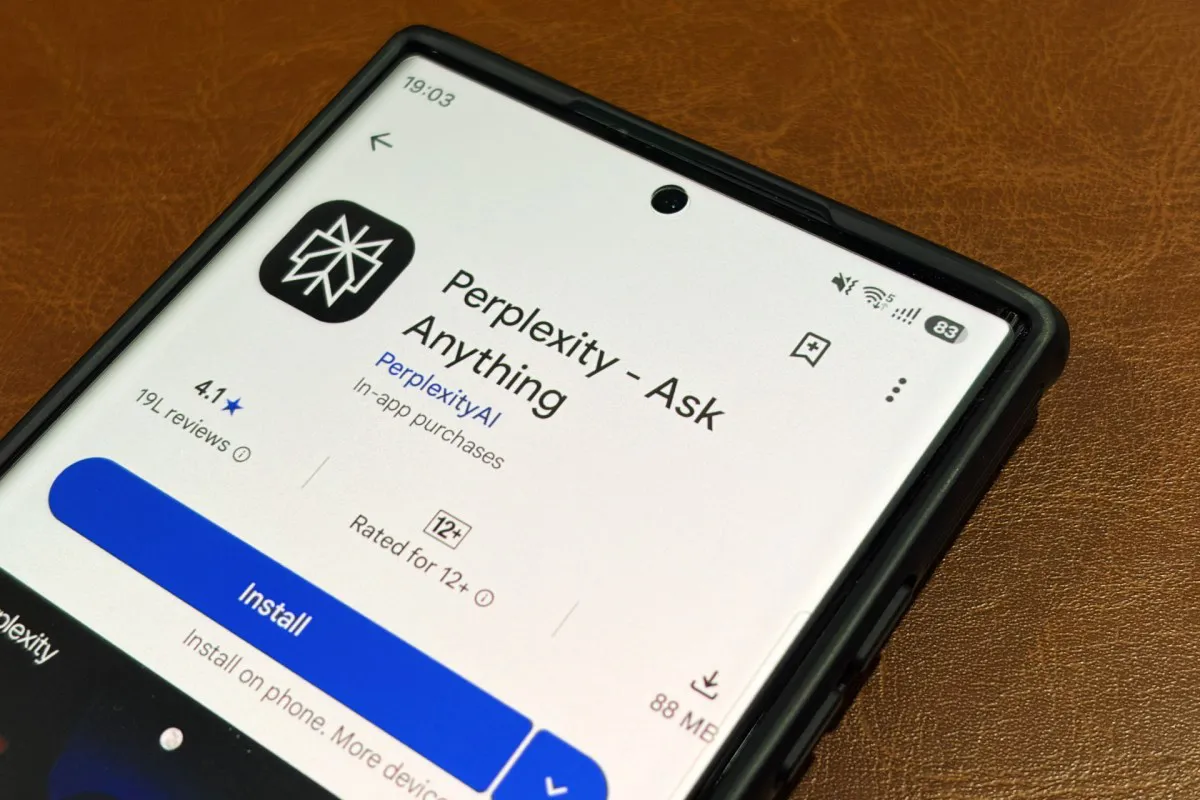
In a bold move that has captured the attention of the tech world, Perplexity, an AI service provider, partnered with Indian telecom giant Airtel to offer free premium subscriptions to its services. This initiative, which began in July 2025, aimed to capitalize on India's vast and growing digital landscape, where millions of potential users are eager for affordable AI services. The results of this ambitious experiment are starting to unfold, revealing both remarkable user growth and the complexities of transitioning a free user base into a sustainable revenue stream.
The partnership with Airtel allowed Perplexity to grant free access to its Pro subscription—typically priced at around $200 per year—to Airtel's extensive customer base of approximately 360 million. As the first cohort of subscribers nears the end of their 12-month free access, the industry is watching closely to see if these users will convert into paying customers or if Perplexity's user growth will stall.
Understanding the Impact of Free Subscriptions
The initial launch of the Perplexity-Airtel collaboration was nothing short of explosive. Data from Sensor Tower indicates that in July 2025, Perplexity experienced a staggering 625% increase in app downloads, reaching 5.9 million in just one month. This growth trajectory continued, with the app accumulating a remarkable 56 million downloads over the seven months the offer was available—nine times the number of downloads in the previous seven-month period. Monthly active users surged to a peak of around 22 million in October 2025, showcasing the effectiveness of the giveaway strategy.
However, the significant uptick in user engagement came with a caveat. Once the promotional offer ended in January 2026, Perplexity faced a sharp decline in downloads, dropping to just 3.3 million from February to July—a decrease of more than 90% compared to the previous six months. Despite this decline in new downloads, the number of monthly active users remained resilient, standing at nearly 14 million in July 2026, indicating that the company had successfully retained a substantial portion of its user base.

The Challenge of Revenue Generation
While user growth is a critical metric for success, the real question for Perplexity is whether it can effectively monetize its newly acquired user base. Despite the sharp decline in downloads, Sensor Tower reported that Perplexity's in-app purchase and subscription revenue in India rose by approximately 60% during the same period. This suggests that a segment of users is transitioning from free access to paid subscriptions, a crucial step for the company’s long-term viability.
However, it's important to note that the increase in revenue may not solely result from users actively choosing to pay for the service. The free subscriptions were set to auto-renew, meaning many users may have inadvertently remained subscribed, which could inflate revenue figures without reflecting genuine consumer interest. The true test will come as more users reach their renewal dates over the coming months, providing clearer insight into their willingness to pay for Perplexity's services.
Market Dynamics: India’s Unique Landscape
India presents a unique opportunity for tech companies, particularly in the AI sector. With a population exceeding 1.4 billion and over 700 million smartphone users, it has become the world’s second-largest market for app downloads. However, monetizing this vast user base remains a challenge due to low average revenue per user (ARPU) and high price sensitivity among consumers. Companies like Google and OpenAI have also attempted to penetrate this market by offering lower-cost plans and free access to their services, hoping to build a loyal customer base that can be converted into paying users later.
Perplexity's strategy is a testament to this market's dynamics. By giving away its premium service, the company engaged millions of users, but it also underscores the challenge of converting these users into a sustainable revenue source. As the AI market continues to evolve, companies will need to innovate not only in their product offerings but also in their monetization strategies to succeed in price-sensitive markets like India.

Future Prospects: What Lies Ahead for Perplexity
The future of Perplexity in India largely hinges on its ability to convert its free users into paying customers. As the company navigates this transition, several factors will play a crucial role:
- User Experience: The quality of the AI service offered will significantly impact user retention and conversion rates. Continuous improvement and responsiveness to user feedback are essential.
- Pricing Strategies: Adjusting pricing models to align with local purchasing power and competition will be vital. Offering tiered pricing or limited-time discounts could incentivize conversions.
- Marketing Efforts: Ongoing marketing campaigns will be necessary to remind users of the value of the premium service and encourage them to maintain their subscriptions.
- Partnership Opportunities: Collaborating with other local businesses or platforms could enhance visibility and provide additional value to users.
The coming months will be critical as Perplexity assesses the impact of its promotional strategy. As new cohorts of Airtel users reach the end of their free subscription periods, the company will gain more insights into user behavior and preferences, shaping its approach moving forward.

Key Takeaways
- Perplexity’s partnership with Airtel led to a 625% increase in app downloads in India.
- Despite a decline in new downloads post-promotion, monthly active users remained strong at nearly 14 million.
- Revenue from in-app purchases increased by 60% despite falling downloads, indicating potential user willingness to pay.
- India’s vast market offers opportunities but also challenges due to low monetization potential.
- The future success of Perplexity will depend on its strategies for user retention and conversion to paid subscriptions.
Frequently Asked Questions
What was the impact of Perplexity’s free subscription offer?
Perplexity's free subscription offer in partnership with Airtel resulted in a dramatic increase in app downloads and user engagement. The service saw a 625% spike in downloads during the launch month and maintained a user base of nearly 14 million even after the promotional period ended. This success has positioned Perplexity as a significant player in the Indian AI market.
How does India’s market affect AI companies?
India's market is characterized by a large population of internet users and smartphone owners, leading to high download rates for apps. However, the challenge lies in monetization, as many consumers are price-sensitive. AI companies must navigate these dynamics carefully, often relying on promotional strategies to build user bases while eventually seeking to convert these users into paying customers.
What challenges does Perplexity face moving forward?
Perplexity faces the challenge of converting its free user base into paying customers as the promotional period ends. This transition requires effective retention strategies, pricing adjustments, and continued user engagement to ensure that growth in revenue aligns with its increased user base.
What can other companies learn from Perplexity’s strategy?
Other companies can learn from Perplexity's strategy by recognizing the importance of partnerships and promotions in driving user growth. However, they must also prepare for the challenges of monetizing a user base that may initially be attracted by free offers. Understanding local market dynamics and tailoring strategies accordingly is crucial for success in competitive markets.
Comments
TikTok Eyes Peer-to-Peer Payments: A New Frontier in Social Finance
TikTok is reportedly developing a peer-to-peer payment feature, leveraging its TikTok Pay system. This move could significantly reshape the social media and financial services landscape.
Related articles




Popular in SaaS Reviews
- Roost: The 'Slow-cial' App Redefining Digital Communication
- Uber's Expansion Beyond Ride-Hailing: The Future of Travel and Services
- Sweden's Startup Surge: The Forces Behind a Booming Ecosystem
- X's Algorithm Update: Creating a More Community-Focused Experience
- Elon Musk's Vision for X: Real-Time Misinformation Corrections via DMs