Petlibro Faces Backlash Over Smart Pet Feeder Outage and Customer Communication
Petlibro's recent outage of its smart pet feeders has raised significant concerns among users regarding the reliability of their devices and the company's handling of communication during the crisis. With accusations of 'gaslighting' and poor customer service, the incident highlights the vulnerabilities in interconnected pet technology.
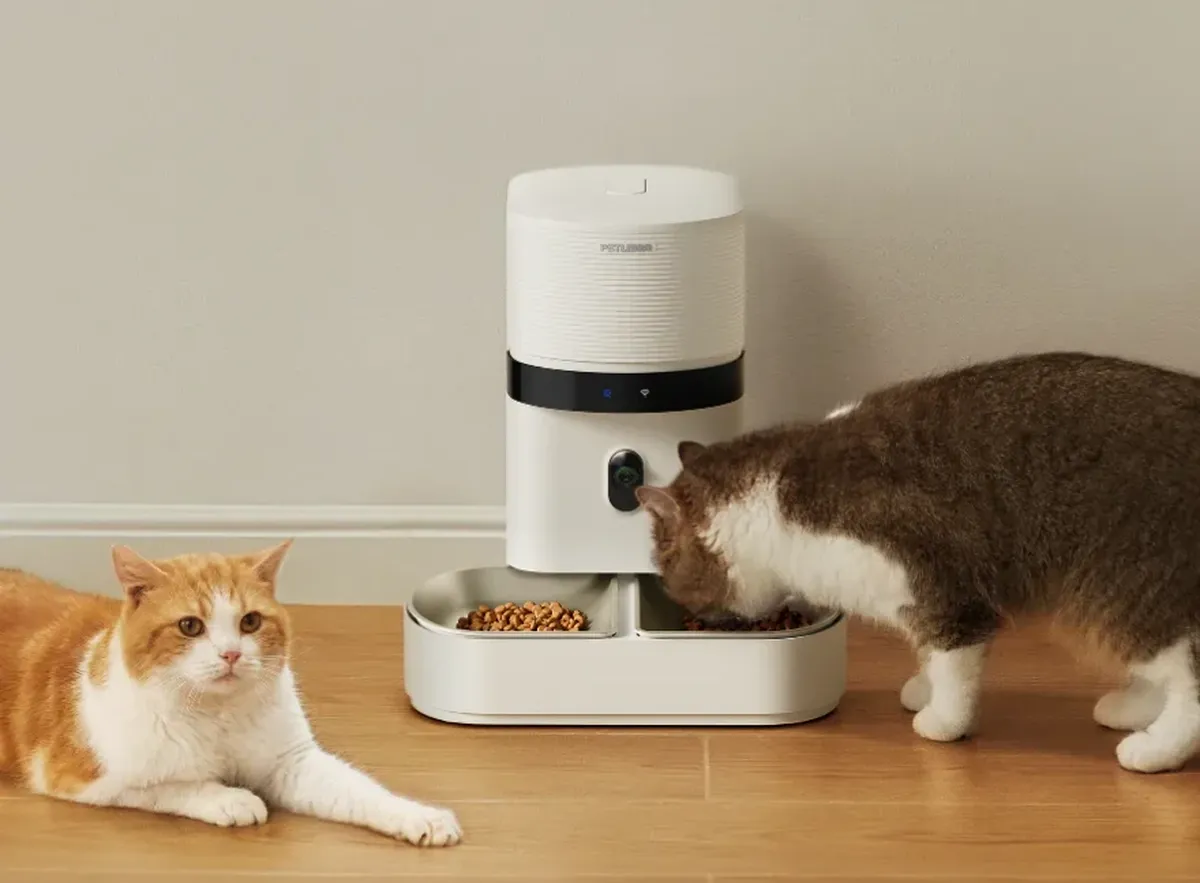
In an age where technology seamlessly integrates into our daily lives, the expectation for reliability and communication from tech companies has never been higher. Petlibro, a rising player in the smart pet feeder market, recently faced a considerable backlash following an outage that left many pet owners unable to feed their animals through the company's app. With accusations of 'gaslighting' and claims of poor customer service, the incident has sparked widespread discussion about the reliability of smart home devices and the importance of transparent communication from manufacturers.
Petlibro, which is owned by Shenzhen Libro Technology Co. and offers the Granary 2 smart pet feeder at a retail price of $130, first acknowledged the outage on August 11, 2026. The company stated that a critical error in their cloud server led to a backlog of data requests, ultimately preventing users from accessing their feeders through the companion app. As many users reported hungry pets and disrupted feeding schedules, the company's response—or lack thereof—has left a sour taste in the mouths of many customers.

The Timeline of the Outage
According to Petlibro's CEO, York Wu, the outages began on the morning of August 11, when a "critical error" affected app login and feeder control. Here's a detailed timeline of the outage:
- 5:20 AM PT: Critical error occurs, affecting app functionality.
- 6:20 AM PT: App functionality is briefly restored, but a backlog of data requests overwhelms the system.
- 6:43 AM PT: The system crashes again due to incoming request overload.
- 8:04 AM PT: Basic functionality is restored.
- 11:43 PM PT (August 12): Petlibro implements a solution to the cache issue, fully restoring service.
Throughout this period, users reported that they could not access features such as operation history, notifications, and the ability to control their pet feeders. This led to significant concern among pet owners, particularly those relying on the app to manage their pets' feeding schedules.
Customer Communication: A Lesson in Transparency
As the outage unfolded, users took to social media platforms like Reddit to express their frustration. Many reported that they received no communication from Petlibro regarding the outage, leading to accusations of "atrocious customer service." In contrast, Wu claimed that the company sent five emails to customers and posted multiple updates on social media throughout the incident.
What many users found particularly troubling was the company's assertion that the feeders' scheduled feeding functions could operate offline. While Wu stated that the majority of devices continued to perform scheduled feedings, numerous reports from users contradicted this claim. Some customers found their feeders unresponsive, leading to accusations that the company was "gaslighting" them by downplaying the severity of the incident.
Understanding Gaslighting in Customer Service
Gaslighting, a term often associated with psychological manipulation, describes a situation where a person or entity causes someone to doubt their perceptions or reality. In this case, users felt that Petlibro's communications minimized their experiences during the outage. This can lead to further frustration and mistrust, particularly in a market where customer loyalty is paramount.

Implications for the Smart Pet Technology Market
The incident raises critical questions about the reliability of smart pet feeders and the broader implications for the smart home technology sector. As more consumers turn to smart devices for convenience, the expectation for these products to function consistently becomes increasingly pronounced. A single outage can impact customer trust and brand reputation significantly.
Petlibro's experience serves as a cautionary tale for other companies in the tech space. Customers today want transparency, especially during technical difficulties. Here are a few key takeaways for companies operating in this space:
- Proactive Communication: Companies should communicate potential issues quickly and transparently to maintain trust.
- Backup Systems: Investing in robust backup systems can help reduce the impact of outages on users.
- Customer Support Training: Training customer support staff to handle crisis communications can improve user satisfaction.
Key Takeaways
- Petlibro's smart pet feeder outage has raised concerns about device reliability.
- Accusations of 'gaslighting' reflect a growing demand for transparency in tech communications.
- Companies must prioritize proactive and clear communication during crises to maintain customer trust.
Frequently Asked Questions
What was the cause of the Petlibro smart feeder outage?
The outage was caused by a critical error in Petlibro's cloud server, which led to an overwhelming backlog of data requests. This backlog subsequently prevented users from accessing their smart feeders through the companion app, resulting in disrupted feeding schedules for many pets.
How did Petlibro respond to the outage?
Petlibro acknowledged the outage several hours after it began and provided regular updates through social media and email. CEO York Wu posted a blog detailing the outage's timeline, the company's troubleshooting efforts, and the measures taken to restore service.
What does 'gaslighting' mean in the context of customer service?
In customer service, gaslighting refers to a situation where a company downplays or contradicts customers' experiences or concerns, leading them to question their perceptions of reality. In the case of Petlibro, users felt that the company's communications minimized the severity of the outage and their resulting frustrations.
What should consumers consider when choosing smart pet feeders?
When selecting smart pet feeders, consumers should consider the reliability of the device, the responsiveness of customer support, and the company's track record with outages or technical issues. It's also wise to research user reviews and experiences to gauge how well a company handles crises and communicates with its customers.
Comments
Building Trustworthy AI for Healthcare: Lessons from Heidi's Journey
Heidi, an Australian-founded AI healthcare partner, has transformed clinical workflows with its AI-driven solution, Heidi Scribe. This article explores the complexities of deploying AI in healthcare, the architectural decisions behind Heidi's success, and lessons for the future.

Related articles

Popular in SaaS Reviews
- Roost: The 'Slow-cial' App Redefining Digital Communication
- Uber's Expansion Beyond Ride-Hailing: The Future of Travel and Services
- Sweden's Startup Surge: The Forces Behind a Booming Ecosystem
- X's Algorithm Update: Creating a More Community-Focused Experience
- Elon Musk's Vision for X: Real-Time Misinformation Corrections via DMs