Ford's $2 Billion Factory Overhaul Set to Launch Fathom EV Truck
Ford is progressing on its $2 billion factory overhaul aimed at producing the Fathom, an all-electric midsize truck. This strategic shift marks a significant pivot in Ford's approach to electric vehicles, promising affordability and efficiency in production.
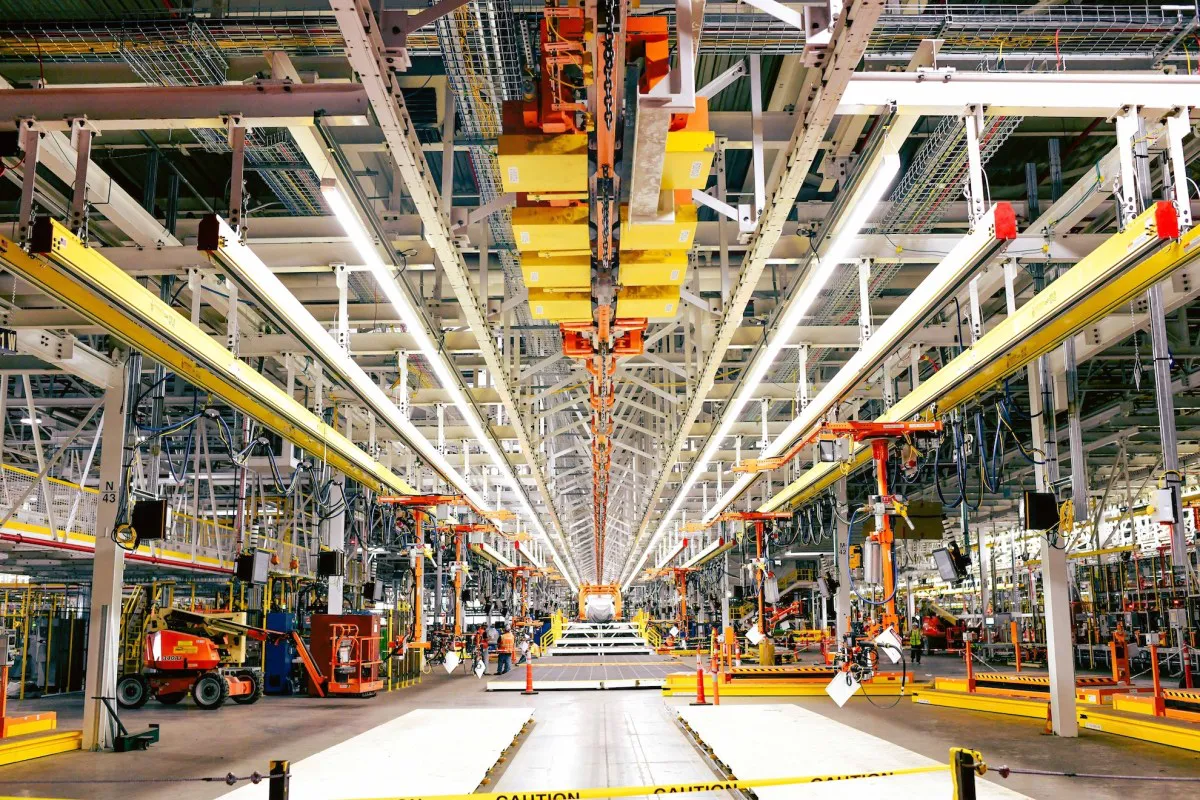
Ford Motor Company is on a transformative path as it embarks on a $2 billion overhaul of its historic Louisville Assembly Plant, aiming to pivot towards a new generation of electric vehicles (EVs). This ambitious project is not merely a cosmetic upgrade; it represents a fundamental shift in Ford's manufacturing philosophy and operational capabilities. With the launch of its new all-electric midsize truck, the Fathom, in sight for 2027, Ford is not just trying to catch up in the EV race but is also seeking to redefine its position in a rapidly evolving automotive landscape.
As the automotive industry increasingly gravitates toward electrification, Ford's decision to close its century-old assembly line is both bold and necessary. The company aims to address the challenges it has faced in the EV segment, where previous efforts have not yielded the expected profitability. With competition heating up from established players like Tesla and emerging manufacturers in China, the stakes have never been higher for Ford. The Fathom, priced under $30,000, represents a critical entry into a market segment that prioritizes affordability without sacrificing quality or performance.
The Universal Production System: A Game-Changer
At the heart of Ford's factory overhaul is the introduction of a new “universal production system,” a concept that departs radically from traditional assembly line methods. Developed by a team led by Alan Clarke, a former Tesla executive, this innovative approach utilizes a three-branched assembly tree. This design allows for greater flexibility and efficiency in the manufacturing process, which is crucial as Ford aims to produce vehicles at scale.
How the New System Works
The universal production system features three distinct branches:
- The first two branches are dedicated to the assembly of the front and rear sections of the vehicle, utilizing large single-piece aluminum unicastings. This method significantly reduces the number of parts needed, streamlining the assembly process.
- The third branch focuses on the assembly of the structural battery along with the vehicle's interiors, including seats, consoles, and carpeting.
- All three components are brought together at the end of the assembly line, allowing for a more cohesive and timely production process.
This innovative system is expected to enable Ford to assemble the Fathom a net 15% faster than the older vehicles produced at the Louisville plant. The shift not only enhances productivity but also aligns with Ford's commitment to quality by integrating advanced software quality checks facilitated by improved connectivity throughout the factory.
Investing in Technology and Workforce Training
The overhaul of the Louisville Assembly Plant extends beyond physical infrastructure changes. Ford has invested heavily in technology upgrades, such as nearly tripling the Wi-Fi coverage density within the factory to accommodate 1,080 access points. This high-bandwidth, low-latency connectivity is essential for the software quality checks that will enable the company to maintain high standards in vehicle production.
Moreover, the workforce at Ford is undergoing extensive training to adapt to the new assembly system. Employees have been engaged in hands-on training at Ford's New Models Program Development Center located in Allen Park, Michigan. This preparation is crucial, as the success of the Fathom will largely depend on the skilled labor force that can effectively utilize the new production techniques.
The Competitive Landscape: Why Ford Must Succeed
The automotive landscape is undergoing a seismic shift, with traditional manufacturers racing to catch up to the technological advancements made by companies like Tesla and emerging competitors from China. Ford's previous attempts at entering the EV market have been met with mixed results, often falling short of profitability. The Fathom, however, represents a critical inflection point for Ford as it seeks to reclaim its status as a leader in the automotive industry.
The pricing strategy for the Fathom is particularly noteworthy. At a target price of under $30,000, Ford is positioning itself to attract a broad consumer base, including first-time EV buyers and those looking for an affordable yet high-quality vehicle. This pricing strategy could potentially disrupt the EV market, especially as competitors often struggle to balance cost with profitability.
Market Implications and Future Prospects
As Ford prepares to ramp up production, the implications for the market are significant. The company's success with the Fathom could set a precedent for traditional automakers attempting to transition to electric vehicles without sacrificing profitability. If Ford can successfully launch the Fathom and achieve production efficiencies as promised, it may inspire other manufacturers to adopt similar approaches.
Furthermore, Ford's commitment to electrification aligns with broader trends in sustainability and environmental consciousness among consumers. As public awareness of climate change grows, the demand for electric vehicles is expected to rise. Ford's proactive steps to enter the market with a competitive offering could position the company well in this new era of automotive innovation.

Key Takeaways
- Ford's $2 billion investment aims to transform its Louisville Assembly Plant for EV production.
- The Fathom is set to launch in 2027, targeting a price point under $30,000.
- The new universal production system promises a 15% increase in assembly efficiency.
- Extensive workforce training is underway to adapt to the new manufacturing techniques.
- The success of the Fathom could redefine Ford's position in the competitive EV market.
Frequently Asked Questions
What is the Fathom, and when will it be available?
The Fathom is Ford's new all-electric midsize truck, designed to be affordable with a target price of under $30,000. Ford plans to begin prototype builds in the first quarter of 2027, with customer vehicles expected to be available later that year.
How does Ford's new production system differ from the traditional assembly line?
Ford's new universal production system utilizes a three-branched assembly tree, allowing for separate assembly of the front and rear sections as well as the structural battery and interiors. This contrasts with traditional assembly lines, which typically follow a linear process, enabling greater flexibility and efficiency in production.
What investments has Ford made in technology and workforce training?
Ford has invested in significant technology upgrades, including nearly tripling Wi-Fi coverage in the factory to support advanced software quality checks. Additionally, extensive training programs are in place for employees to familiarize them with the new assembly techniques and ensure a skilled workforce ready for production.
What are the market implications of Ford's Fathom project?
The Fathom project is poised to impact the EV market significantly. If successful, it could set a new standard for traditional automakers entering the electric vehicle space, showcasing that profitability and affordability can coexist, and potentially influencing consumer preferences toward electric vehicles as a viable option.
Comments
Smart Pet Feeder Outage Highlights Risks of Reliance on Pet Tech
A recent outage of Petlibro's smart pet feeder left many pets unfed, revealing the vulnerabilities of relying on connected devices for pet care. This incident raises questions about the reliability of smart home technology and the implications for pet owners.

Related articles


Popular in SaaS Reviews
- Roost: The 'Slow-cial' App Redefining Digital Communication
- Uber's Expansion Beyond Ride-Hailing: The Future of Travel and Services
- Sweden's Startup Surge: The Forces Behind a Booming Ecosystem
- X's Algorithm Update: Creating a More Community-Focused Experience
- Elon Musk's Vision for X: Real-Time Misinformation Corrections via DMs