Yulu Secures $93M to Drive E-Bike Revolution Amid Quick-Commerce Surge
Bengaluru's Yulu has raised $93 million to expand its e-bike fleet, as the demand for quick-commerce deliveries skyrockets in India. This article explores the implications and future of Yulu in the fast-evolving electric mobility landscape.
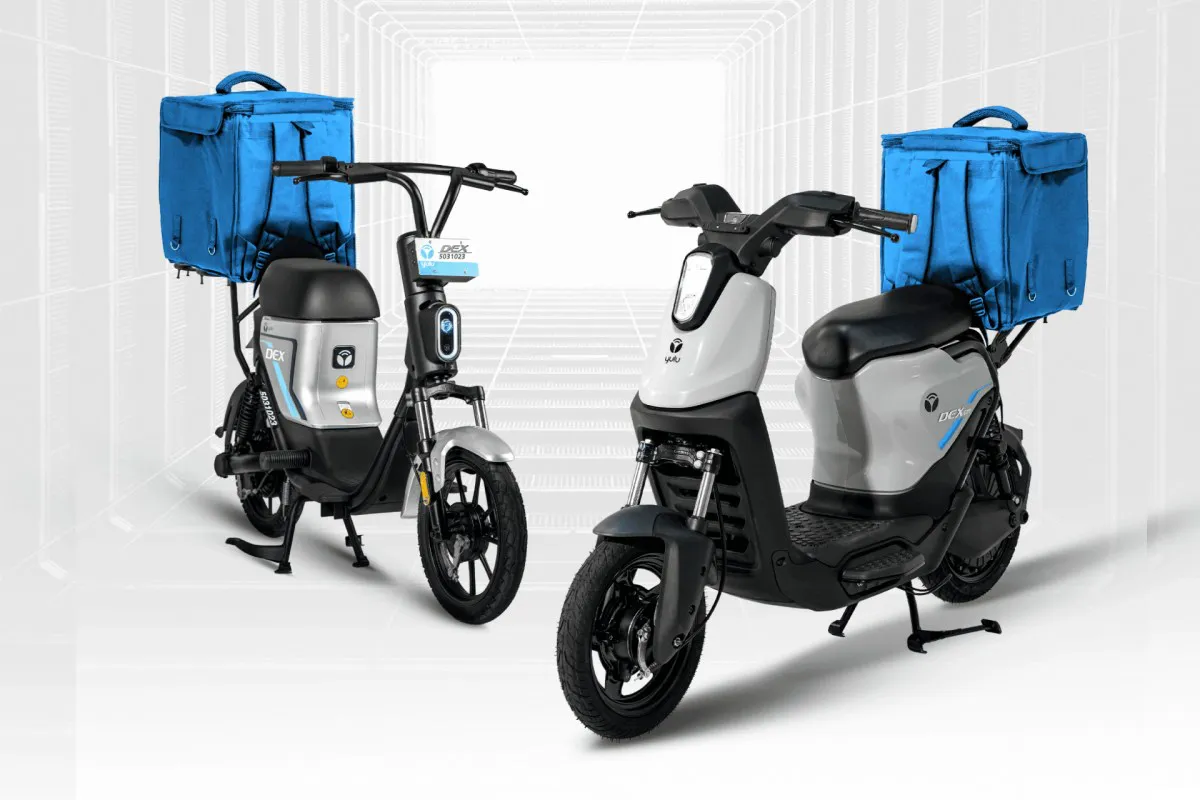
The landscape of urban mobility is undergoing a seismic shift, particularly in India, where the demand for electric vehicles (EVs) is on the rise, fueled by the rapid expansion of quick-commerce platforms. In this dynamic environment, Bengaluru-based Yulu is making significant strides. The startup has successfully raised $93 million in a Series C funding round, positioning itself as a pivotal player in the burgeoning e-bike market, which is increasingly critical for last-mile delivery services.
Yulu's business model taps into the gig economy by offering electric two-wheelers on a subscription basis, enabling delivery personnel to access vehicles without the burden of ownership. With a fleet of around 50,000 vehicles and a staggering 1.6 million zero-emission miles logged weekly, Yulu is not just contributing to sustainable mobility but is also a key player in India's rapidly growing delivery ecosystem, making over 750,000 deliveries daily.

Funding Details and Growth Strategy
The recent funding round included $63 million in equity led by GEF Capital Partners and $30 million in debt financing, valuing Yulu at approximately $170 million. Co-founder and CEO Amit Gupta indicated that this funding will primarily be used for fleet expansion and the introduction of new electric models. Notably, existing investors like Bajaj Auto and Magna International opted out of this funding round, allowing GEF to secure its stake without facing pre-emptive competition.
Yulu's strategy appears to hinge on significant scaling, with plans to increase its fleet to 200,000 bikes over the next two years. This ambitious target underscores the company's confidence in its business model and the demand for electric mobility in India. Gupta has hinted that this might be the last equity raise before Yulu considers a public listing, emphasizing a shift towards financing future expansions primarily through debt and leasing arrangements.

Transition to Profitability and Revenue Growth
Yulu's financial trajectory has been impressive, with a seven-fold increase in revenue from fiscal 2023 to fiscal 2026. The startup is on track to achieve profitability, with positive earnings before interest and taxes (EBIT) anticipated next year. This growth is primarily driven by the subscription-based model that caters to gig workers, which now accounts for 95% of its revenue.
Interestingly, Yulu has pivoted away from direct consumer sales, focusing instead on providing rental services to gig workers, thereby streamlining its operations and capitalizing on the growing demand for last-mile delivery solutions. This strategic decision allows Yulu to concentrate its resources on fleet expansion and enhancing service offerings.
Introducing the Yulu Express: A New Model for Delivery
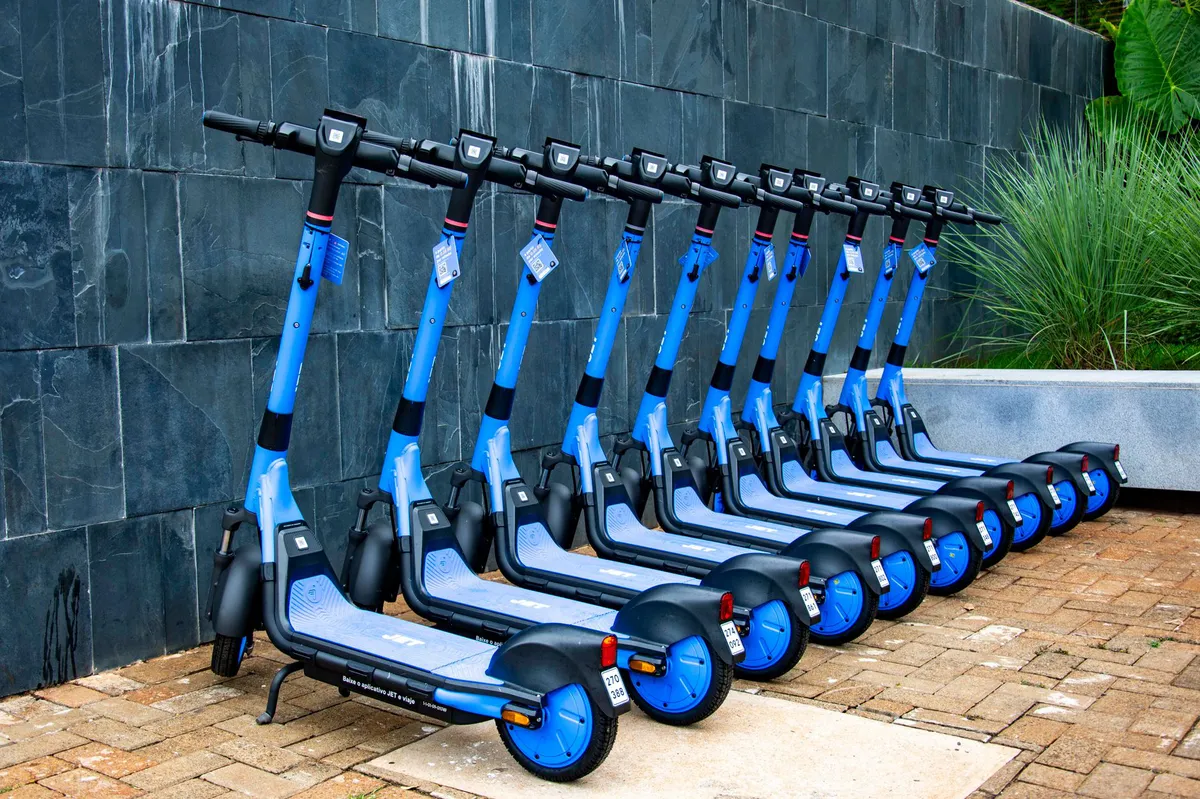
As part of its growth strategy, Yulu is launching the Yulu Express, a full-sized, higher-speed electric scooter tailored for longer-haul deliveries. This model is particularly significant for e-commerce and logistics sectors, where speed and efficiency are paramount. About one-third of the planned fleet expansion will consist of this new scooter design, which will enhance Yulu's service capabilities.
Currently, 500 Yulu Express scooters are operational in Bengaluru, with trials being conducted in three additional cities. This move not only solidifies Yulu's position in the electric mobility space but also addresses the evolving needs of logistics providers looking for efficient delivery solutions.
Market Presence and Strategic Partnerships
Operating in 12 cities, Yulu's growth strategy includes expanding its reach to approximately 20 cities within the next year, with Chennai and Pune marked as key targets. The startup has established partnerships with major quick-commerce and food delivery platforms, including industry giants like Amazon and Flipkart, although its primary customers remain the gig workers who rent the bikes.
Gupta likened Yulu's role to that of Amazon Web Services (AWS) in the mobility sector, providing essential infrastructure for delivery workers while ensuring that logistics platforms do not take a cut of the earnings. This positioning not only enhances Yulu's appeal but also fosters a collaborative ecosystem where various stakeholders can thrive.

Challenges and the Road Ahead
Despite its promising growth trajectory, Yulu faces several challenges as it seeks to expand its operations. The electric mobility sector in India is still in its nascent stages, with challenges ranging from regulatory hurdles to the establishment of widespread charging infrastructure. Additionally, competition in the quick-commerce and delivery space is intensifying, with numerous players vying for market share.
However, Yulu's strong focus on sustainability and its innovative business model provide a solid foundation for overcoming these hurdles. By prioritizing fleet expansion, profitability, and strategic partnerships, Yulu is well-positioned to capitalize on the growing demand for electric mobility solutions in India.
Key Takeaways
- Funding Success: Yulu raised $93 million to expand its electric bike fleet.
- Gig Economy Focus: The startup caters primarily to gig workers with its subscription model.
- New Model Launch: The Yulu Express aims to enhance delivery capabilities in e-commerce.
- Market Expansion: Plans to grow from 12 to 20 cities within a year.
- Future Outlook: Yulu aims for profitability and a potential public listing.
Frequently Asked Questions
What is Yulu's business model?
Yulu operates primarily on a subscription-based model, renting electric bikes to gig workers who need vehicles for deliveries. This model alleviates the burden of vehicle ownership for workers, allowing them to enter the gig economy with minimal upfront costs.
How does Yulu's funding impact its future growth?
The recent $93 million funding round is instrumental for Yulu's growth strategy, enabling the company to expand its fleet and launch new models like the Yulu Express. This funding is expected to facilitate Yulu's plans for profitability and potentially pave the way for a public listing.
What cities does Yulu operate in?
Currently, Yulu operates in 12 Indian cities, including major urban centers such as Bengaluru, Mumbai, Delhi-NCR, and Hyderabad. The company has plans to expand its presence to 20 cities, targeting Chennai and Pune as key locations for growth.
How does Yulu compare to traditional delivery services?
Yulu differentiates itself from traditional delivery services by providing the infrastructure needed for gig workers to operate independently. Unlike conventional logistics providers that take a cut of earnings, Yulu enables workers to maximize their income by renting bikes directly from the startup.
Comments
Accel Ventures: A $550 Million Bet on India's Startup Future
Accel has closed an oversubscribed $550 million fund focused on Indian startups, signaling renewed confidence in the region's entrepreneurial landscape, particularly in AI and fintech.

Related articles


Popular in SaaS Reviews
- Roost: The 'Slow-cial' App Redefining Digital Communication
- Uber's Expansion Beyond Ride-Hailing: The Future of Travel and Services
- Sweden's Startup Surge: The Forces Behind a Booming Ecosystem
- X's Algorithm Update: Creating a More Community-Focused Experience
- Elon Musk's Vision for X: Real-Time Misinformation Corrections via DMs