OpenAI's Smart Speaker: A Bold Move into the AI Hardware Market
OpenAI is set to unveil a smart speaker priced between $300 and $400, featuring advanced AI capabilities and unique design elements. As the company seeks new revenue streams, this move raises questions about the viability of high-priced smart speakers in a competitive market.
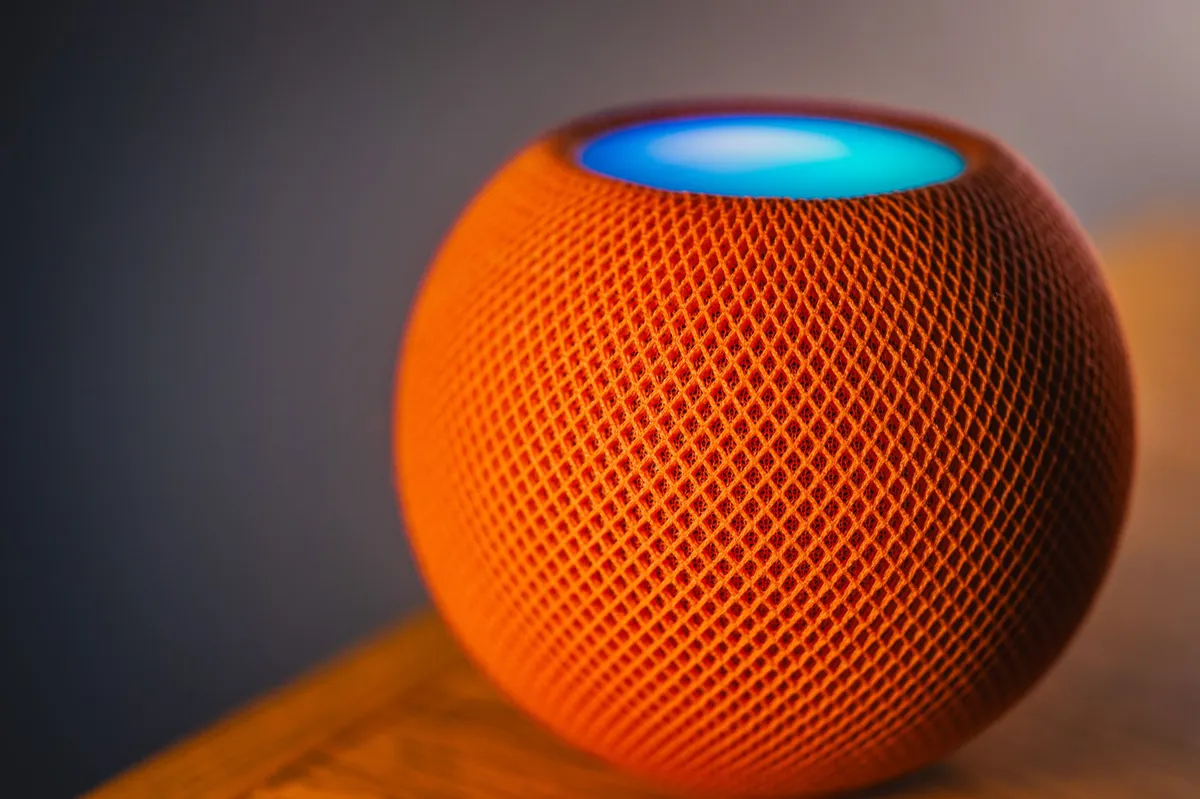
In a bold leap into the hardware arena, OpenAI is reportedly developing a new smart speaker that could redefine the way users interact with AI technology. With a projected price tag exceeding $300, this device aims to integrate sophisticated generative AI capabilities into a user-friendly format, positioning itself as a potential replacement for smartphones. As the company looks to diversify its revenue streams amid significant financial losses, the launch of this speaker is both a strategic pivot and a gamble in a competitive landscape.
According to reports from Bloomberg, the forthcoming smart speaker is designed not only to perform basic tasks like checking the weather or playing music but also to facilitate more complex interactions using AI. This aligns with OpenAI's vision of an AI-first world that shifts the paradigm from simple voice commands to immersive, human-like communication.
Understanding the Features and Design
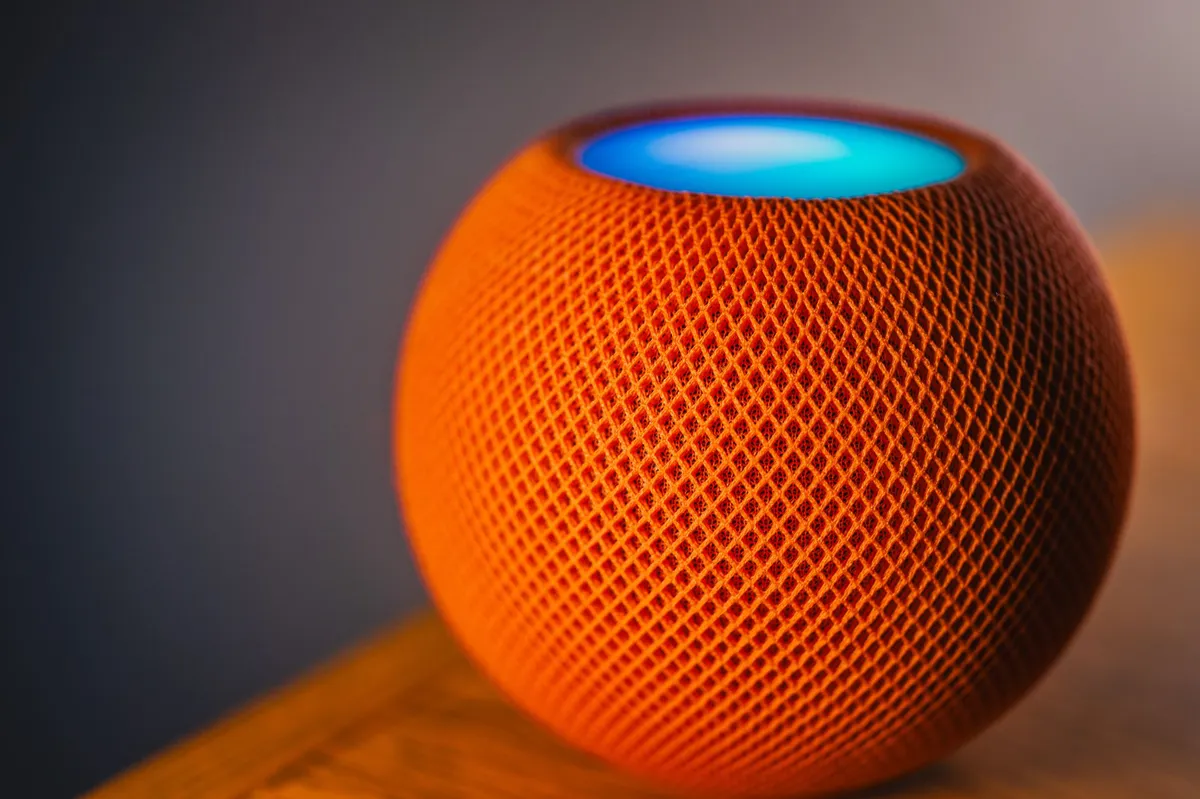
OpenAI's smart speaker is expected to feature a unique and eye-catching design, characterized by a doughnut shape approximately the size of a hockey puck. This aesthetic choice, developed in collaboration with renowned industrial designer Jony Ive's studio, LoveFrom, underscores OpenAI's commitment to high-quality materials, including premium metals. The device is set apart by its ability to incorporate moving parts that respond to user interactions, giving it a dynamic quality that traditional stationary speakers lack.
Innovative Interactivity
One of the most intriguing aspects of the speaker is its proposed functionality. Unlike standard smart speakers, which often deliver straightforward responses, OpenAI's device aims to create a more engaging experience. The integration of moving parts and lights will allow the device to seem "more alive," enhancing user interaction significantly. This could potentially make conversations with the AI feel more natural and intuitive.
Smart Home Integration
Moreover, the speaker is said to have the capability to control various smart home devices, expanding its utility beyond a mere audio output device. As home automation becomes increasingly common, a smart speaker that seamlessly integrates with other devices can be a major selling point.

The Market Landscape and Pricing Challenges
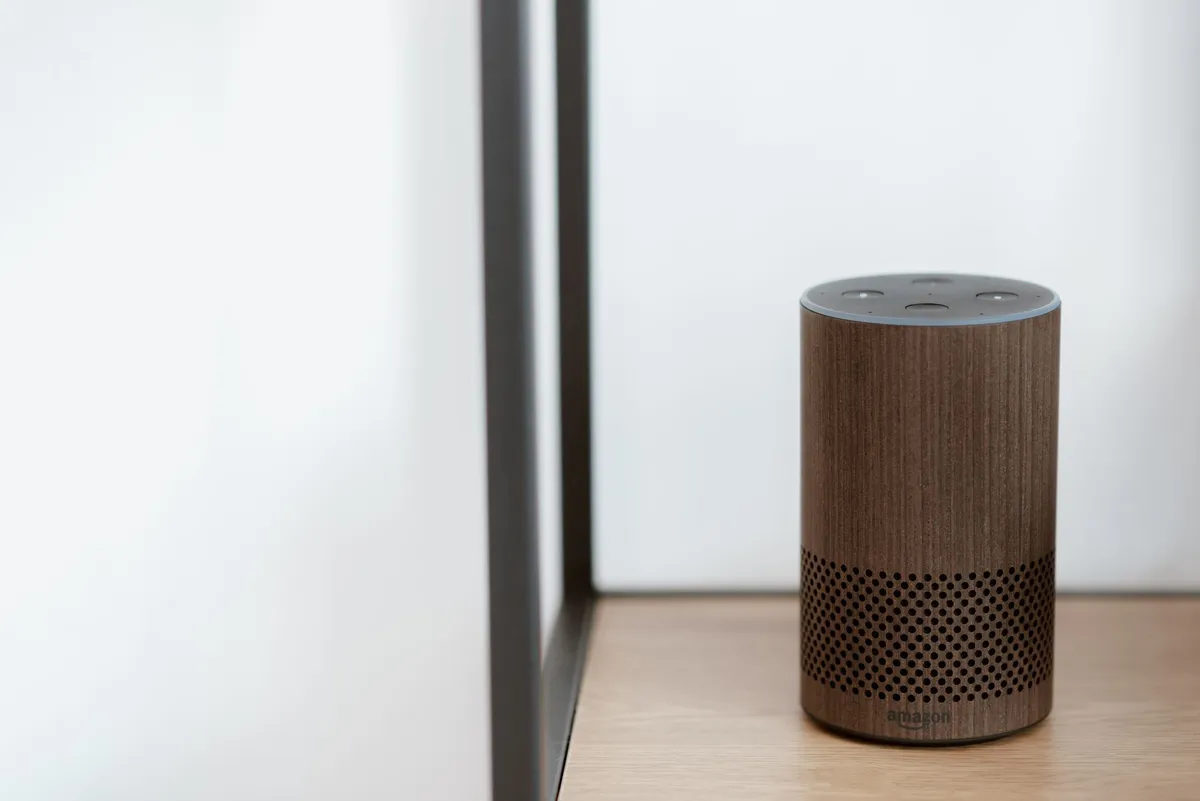
The anticipated price range of $300 to $400 places OpenAI's speaker at a premium level compared to competitors. For context, Amazon's Echo Show 15, which includes a display and advanced features, retails for around $300, while the Echo Studio, equipped with high-quality sound capabilities, is priced at approximately $220. The higher price point for OpenAI's device raises questions about its market viability, especially given that consumers are accustomed to accessing AI services through existing devices.
Consumer Expectations
Given the popularity of ChatGPT and its extensive user base, OpenAI is banking on the allure of its AI capabilities to justify the cost. However, the challenge lies in whether users will see enough value in a dedicated hardware device to warrant such a significant investment. For many, the convenience of accessing ChatGPT through smartphones or laptops may outweigh the benefits of purchasing a standalone smart speaker.
Financial Implications for OpenAI
OpenAI's financial landscape is another critical factor driving this product development. With reported losses of billions annually, the company is under pressure to explore additional revenue avenues. While hardware sales could provide a boost, the smart speaker market has historically struggled with profitability. This irony is not lost on industry observers, as OpenAI enters a space fraught with challenges.
Legal Challenges and Industry Rivalries
The launch of OpenAI's smart speaker is not without its complications. The company is currently embroiled in a legal dispute with Apple, which has accused OpenAI of stealing trade secrets related to hardware development. This lawsuit has prompted OpenAI to conduct an internal investigation to ensure that its new product does not infringe on Apple's intellectual property. While OpenAI maintains that its speaker is original and free from Apple’s influence, the legal uncertainties could impact the launch timeline.
Competitive Landscape
In the broader context, OpenAI's entry into the smart speaker market introduces an exciting dynamic among established players like Amazon, Google, and Apple. Each of these companies is heavily invested in AI technology and smart home integration, making the competition fierce. If OpenAI can effectively leverage its advanced AI capabilities, it may carve out a niche for itself in this crowded space.
Key Takeaways
- OpenAI's smart speaker is projected to cost between $300 and $400, significantly higher than most competitors.
- The device aims to offer advanced AI interactions and control over smart home devices, enhancing user engagement.
- Legal challenges from Apple could impact the launch timeline and overall strategy.
- The success of the speaker hinges on whether consumers see enough value in investing in dedicated hardware.
- OpenAI is exploring new revenue streams amid substantial financial losses.
Frequently Asked Questions
What makes OpenAI's smart speaker different from existing products?
OpenAI's smart speaker distinguishes itself through its innovative design, which features moving parts and lights for a more interactive experience. Unlike conventional smart speakers that provide simple responses, OpenAI's device aims to create a more engaging dialogue with users, enhancing the overall interaction quality.
How will the pricing compare to competitors?
The expected price range of $300 to $400 positions OpenAI's smart speaker at a premium compared to competitors like Amazon and Google. While OpenAI is banking on its advanced AI capabilities to justify this pricing, potential buyers may weigh the benefits of dedicated hardware against the convenience of using existing devices.
What are the implications of the legal issues with Apple?
The ongoing lawsuit from Apple poses significant risks for OpenAI. If any infringement is found, it could delay the speaker's launch and affect its design and functionality. OpenAI has launched an internal investigation to ensure compliance with IP laws, but the uncertainty could create challenges in bringing the product to market.
What does this mean for OpenAI's future product strategy?
OpenAI's foray into hardware signifies a strategic shift aimed at diversifying its revenue sources amidst financial pressures. The company is exploring the potential for more AI-powered devices, which could reshape its product lineup. However, the success of the smart speaker will influence future hardware ventures and determine whether OpenAI can effectively compete in this crowded market.
Comments
How Airbnb is Leveraging AI to Innovate and Enhance User Experience
Airbnb is harnessing the power of AI to accelerate feature development, improve customer support, and enhance its platform. With AI writing 60% of its code, the company is transforming how users search for accommodations and interact with the platform.
Related articles

Popular in SaaS Reviews
- Roost: The 'Slow-cial' App Redefining Digital Communication
- Uber's Expansion Beyond Ride-Hailing: The Future of Travel and Services
- Sweden's Startup Surge: The Forces Behind a Booming Ecosystem
- X's Algorithm Update: Creating a More Community-Focused Experience
- Elon Musk's Vision for X: Real-Time Misinformation Corrections via DMs