Suno's Push for Legitimacy in AI-Generated Music: The Role of Watermarks
As the AI-generated music landscape faces scrutiny, Suno introduces watermarking to combat misuse and bolster legitimacy. This article explores the implications for the music industry, legal challenges, and what this means for artists and consumers.
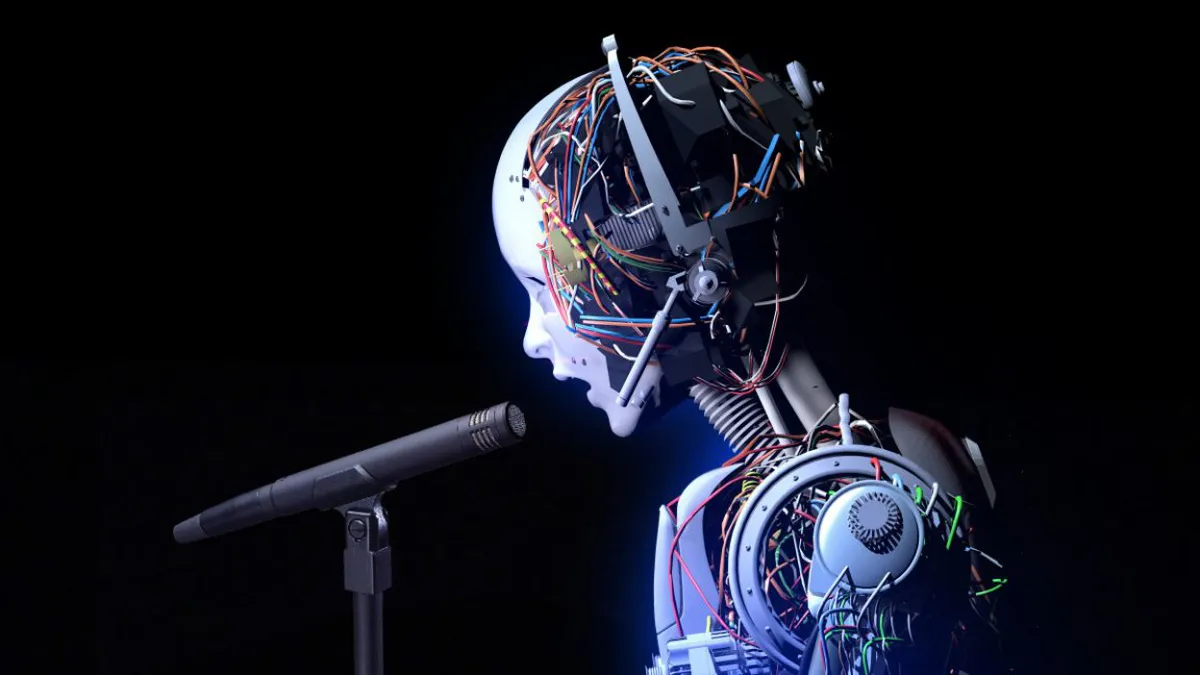
The rise of artificial intelligence (AI) has transformed countless industries, but none have felt its disruptive influence quite like the music sector. As AI-generated music floods platforms like Spotify, distinguishing between human and machine-made tunes has become increasingly challenging. In this evolving landscape, Suno, a leading player in AI music generation, is taking decisive steps to establish credibility and combat rampant misuse of its technology. By introducing watermarking and download limits, Suno aims to align with emerging industry standards and navigate the legal complexities surrounding AI-generated content.
Suno's CEO and co-founder, Mikey Shulman, recently announced these changes, asserting that they are essential for maintaining the integrity of both the company and the music industry at large. The implementation of watermarking will allow Suno to label its audio outputs clearly, providing platforms with a mechanism to either flag content as AI-generated or block it entirely. This move signals a significant shift toward legitimacy in a sector that has been marred by legal challenges and ethical concerns.
The Challenge of AI Music Generation
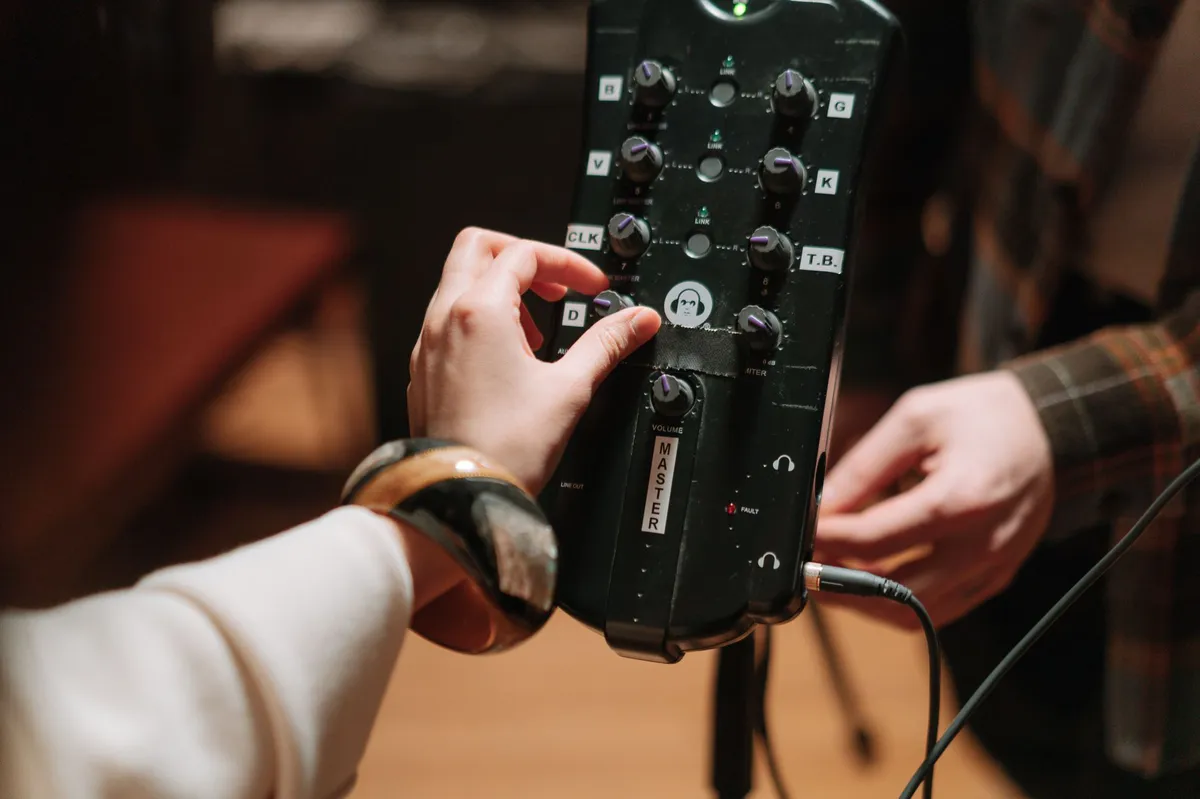
As AI technology becomes more sophisticated, the ability to generate music that mimics human creativity has improved significantly. This advancement has led to an explosion of AI-generated tracks available on streaming platforms, raising questions about copyright, authenticity, and artist rights. The music industry, traditionally characterized by its stringent legal frameworks, has found itself grappling with the implications of AI innovation.
Legal Ramifications
Legal disputes involving AI-generated music are becoming increasingly common. Suno finds itself at the center of multiple lawsuits, including copyright infringement claims from major music labels like Universal and Sony. These legal challenges are indicative of a broader concern within the industry regarding the potential for AI to infringe on existing copyrights. A recent ruling in Germany also highlighted Suno's violation of local music licensing laws, which could result in substantial fines.
These legal battles underscore the precarious position of companies operating in the AI music space. While the technology offers exciting possibilities, it also raises significant risks for creators and platforms. The introduction of watermarking aims to address these concerns, but it remains to be seen whether it will be enough to quell the legal firestorm surrounding AI-generated music.

The Role of Watermarking
Watermarking technology is designed to embed an invisible code within audio tracks, allowing for easy identification of AI-generated content. This approach is not without its challenges, however. Shulman emphasized that the watermarking process must be durable and resistant to tampering, ensuring that the quality of the music remains intact while still providing a reliable means of identification.
Collaboration with Technology Leaders
While the specifics of the watermarking technology Suno will use are not yet disclosed, companies like Google have pioneered similar solutions. Google’s SynthID has already been utilized to label vast quantities of audio and visual content, demonstrating the feasibility of such technology. As Suno navigates its partnerships, the effectiveness of its watermarking solution will significantly influence its ability to combat fraud and misuse in the AI music space.
Mitigating Misuse Through Policy Changes
In addition to watermarking, Suno is actively revising its policies to limit the potential for misuse of its platform. The company has implemented rules to prevent users from incorporating specific artists or songs into their prompts, thereby maintaining respect for existing copyrights. Furthermore, partnerships with organizations like Musixmatch aim to ensure that users do not upload copyrighted material as a foundation for their generative compositions.
These proactive measures indicate Suno's commitment to fostering a responsible AI music ecosystem. However, the effectiveness of these policies will depend on ongoing enforcement and user compliance.
Challenges Ahead
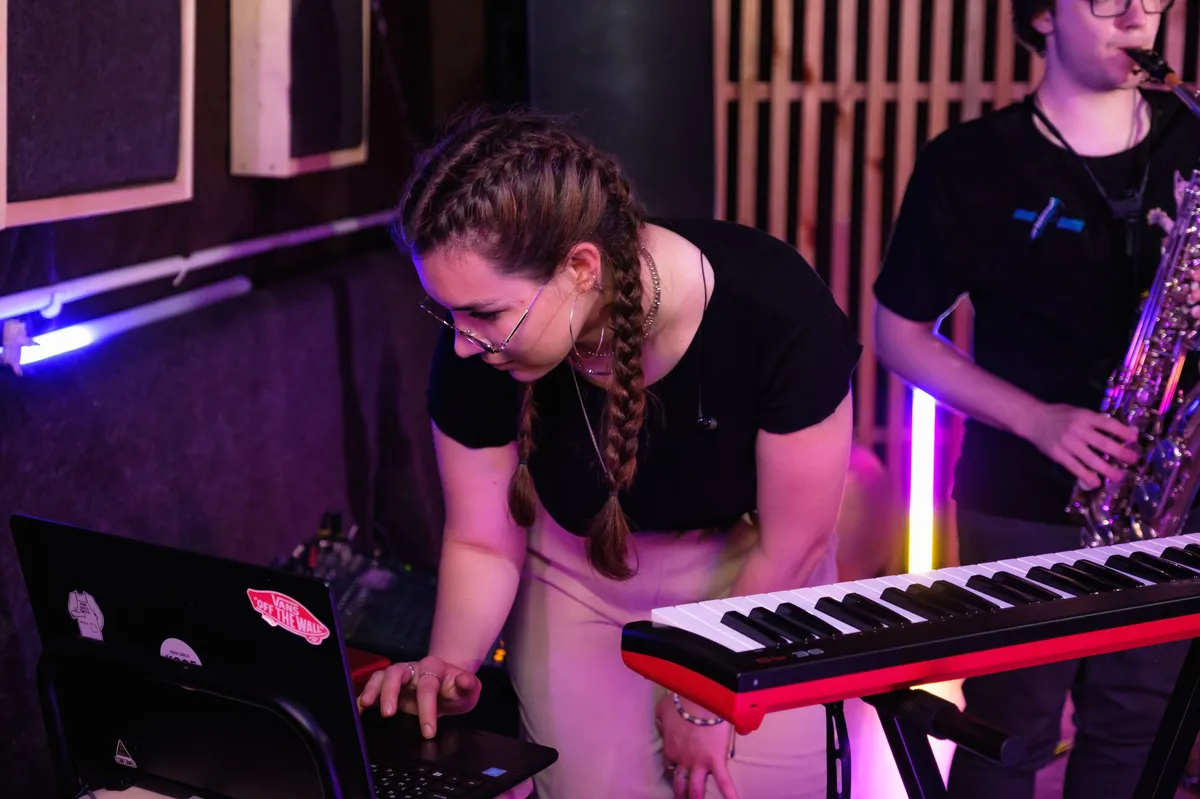
Despite Suno’s efforts to legitimize its operations, the challenges facing the company are formidable. The recent hack that exposed sensitive user data further complicates its public image. With ongoing lawsuits and the need to regain user trust, Suno is in a precarious position. Its attempts to present itself as a tool for musicians rather than a generator of generic music may not be enough to change the narrative.
Future Implications
The broader implications of Suno's actions resonate throughout the AI music industry. As companies grapple with the challenges of integrating AI into music creation, the establishment of industry-wide standards for watermarking and copyright compliance will be critical. The success of Suno's initiatives could serve as a model for other AI music generators, promoting a more sustainable and responsible approach to AI in the arts.
Key Takeaways
- Suno is introducing watermarking for AI-generated music to establish credibility and combat misuse.
- The company faces multiple legal challenges, including lawsuits from Universal and Sony.
- Watermarking technology aims to provide a durable, tamper-resistant solution for identifying AI-generated tracks.
- Policy changes are being implemented to prevent misuse and protect copyright.
- The success of these initiatives could influence industry standards for AI-generated music.
Frequently Asked Questions
What is the purpose of watermarking in AI-generated music?
Watermarking is intended to embed a unique identifier within AI-generated audio tracks, enabling platforms to recognize and label this content as AI-generated. This helps prevent unauthorized use and assists in compliance with copyright laws, ultimately fostering a more transparent and accountable music ecosystem.
How does Suno's legal situation affect its operations?
Ongoing lawsuits from major music labels pose significant risks for Suno, potentially leading to financial penalties and damaging its reputation. These legal challenges necessitate changes in Suno's operational policies and technological approaches, as it seeks to align itself with industry standards and mitigate the risk of further legal issues.
Can watermarking technology be easily bypassed?
While watermarking technology is designed to be durable and resistant to tampering, no system is infallible. If individuals succeed in circumventing watermarking, it could undermine the efforts to identify AI-generated tracks, allowing for the potential proliferation of unlabeled AI music and complicating compliance efforts.
What steps is Suno taking to prevent misuse of its platform?
Suno has implemented several measures to mitigate misuse, including prohibiting users from including specific artists or songs in their prompts and collaborating with organizations like Musixmatch to ensure compliance with copyright laws. These proactive steps are essential for building a responsible AI music ecosystem and maintaining industry trust.
Comments
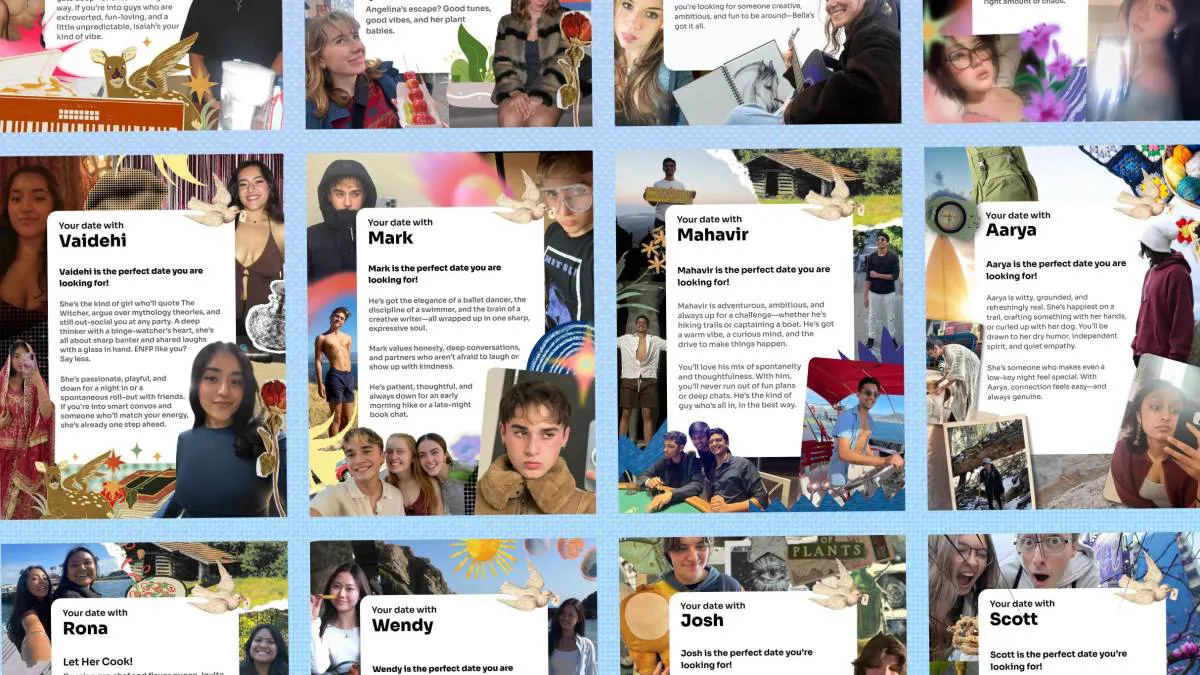
Revolutionizing Connections: Gen Z's Shift to AI Matchmaking with Ditto
As traditional dating apps face backlash from disillusioned Gen Z users, Ditto emerges with a unique AI-driven approach to matchmaking. By prioritizing genuine connections over swiping, Ditto aims to reshape the dating landscape for college students.
Related articles


Popular in SaaS Reviews
- Roost: The 'Slow-cial' App Redefining Digital Communication
- Uber's Expansion Beyond Ride-Hailing: The Future of Travel and Services
- Sweden's Startup Surge: The Forces Behind a Booming Ecosystem
- X's Algorithm Update: Creating a More Community-Focused Experience
- Elon Musk's Vision for X: Real-Time Misinformation Corrections via DMs