Omilia Secures $67 Million to Revolutionize Customer Support with AI
Omilia has raised $67 million in Series B funding to enhance its voice automation solutions for customer service. The company aims to provide cost-effective support solutions while expanding its presence in the U.S. market.

The customer support landscape is evolving rapidly, driven by technological advancements and the increasing demand for efficient service solutions. As businesses strive to handle a growing volume of queries, many are turning to artificial intelligence (AI) to automate interactions with customers. Recently, Athens-based Omilia announced a significant milestone in its journey, raising $67 million in a Series B funding round led by Expedition Growth Capital. With this new capital, Omilia aims to expand its innovative customer support platform that utilizes AI to streamline voice interactions and improve overall efficiency.
Founded in 2002, Omilia has been a pioneer in the field of voice automation for customer support. Unlike many startups that are solely focused on deploying generative AI technologies, Omilia’s CEO Dimitris Vassos emphasizes a more nuanced approach. He argues that a substantial portion of customer inquiries—such as simple requests for account balances—does not require complex AI systems. Instead, he likens the necessity for diverse tools in customer service to warfare, stating, “You may have a bazooka, but if your enemy is near you, you need a knife.” This philosophy underscores Omilia’s commitment to delivering practical and effective solutions tailored to the needs of businesses.

Understanding Omilia's Unique Approach to AI in Customer Support
Omilia's technology stands out in a crowded marketplace filled with startups like Sierra, Decagon, and Parloa, which primarily focus on generative AI. Instead of relying solely on cutting-edge models, Omilia leverages self-learning agents that can adapt to various customer contact points. This flexibility allows businesses to handle a wide range of inquiries efficiently, from basic information requests to more complex interactions.
The company has observed a significant uptick in annual recurring revenue, surging tenfold to $60 million since its previous funding round of $20 million from Grafton Capital in 2020. This impressive growth can be attributed to Omilia’s focus on strong unit economics, which enables both the company and its clients to realize substantial returns on investment (ROI). Vassos believes the market will soon favor companies that can deliver tangible ROI, stating, “In the next few years, we will see the companies that can offer real ROI prevail.”

Strategic Expansion Plans and Market Focus
The infusion of $67 million allows Omilia to enhance its operational capabilities and expand its presence in the lucrative U.S. market, which constitutes a significant portion of its revenue. The company plans to open new offices and bolster its go-to-market strategy, including recruiting key leadership roles such as a chief revenue officer and chief marketing officer. With a current workforce of around 500 employees, Omilia anticipates increasing its headcount to 600 by year-end.
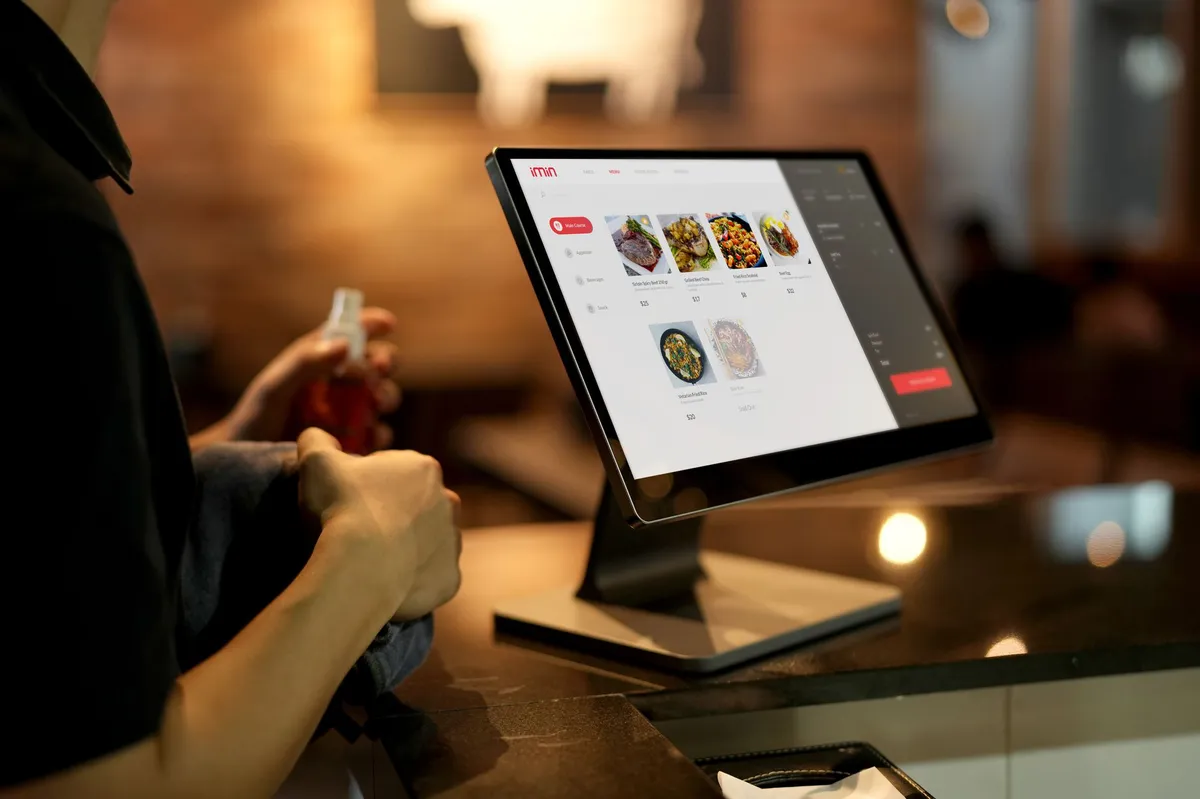
Omilia's client roster includes prominent names such as Capital One, Discover, RBC, and PSEG. Notably, quick-service restaurants (QSRs) are becoming a central focus for the company. After successfully integrating its voice-based ordering technology with Taco Bell, which has been adopted across more than 1,000 locations, Omilia is in discussions with additional QSRs in the U.S. The growing trend of voice ordering presents a substantial opportunity for Omilia to apply its innovative technology in an industry that demands quick and accurate service.
Challenges and Considerations in AI Deployment
While the potential for AI in customer support is vast, the technology does come with its challenges. The anecdote surrounding Taco Bell highlights the pitfalls that can arise when implementing AI solutions. Reports of a customer allegedly ordering 18,000 cups of water due to a glitch in the ordering system serve as a cautionary tale for businesses seeking to automate their customer interactions. Although Vassos disputes the occurrence of this incident, it raises important questions about the reliability and robustness of AI systems in high-pressure environments.
To mitigate such risks, companies must carefully evaluate their AI strategies and consider the nuances of customer interactions. The focus should not solely be on the latest technologies but on delivering consistent and reliable service that meets customer expectations. As Vassos puts it, the goal is to “win the battle for customer service,” which requires a combination of the right tools and strategies.
Key Takeaways
- Omilia has raised $67 million in Series B funding to enhance its customer support platform.
- The company focuses on practical AI applications rather than solely relying on generative AI.
- Omilia aims to expand its presence in the U.S. market and grow its workforce to meet increasing demand.
- Quick-service restaurants are a primary target for Omilia’s voice automation technology.
- Challenges in AI deployment highlight the need for careful evaluation of customer interaction strategies.
Frequently Asked Questions
What makes Omilia different from other AI customer support companies?
Omilia distinguishes itself by prioritizing practical AI applications over the exclusive use of generative AI technologies. CEO Dimitris Vassos emphasizes that many customer inquiries can be managed without complex AI models. Instead, the company focuses on self-learning agents that can efficiently handle a wide range of customer interactions, thus providing a more tailored approach to customer service.
How does Omilia plan to use its new funding?
The newly acquired $67 million in funding will primarily be used to establish a new office in the U.S., which represents a significant market for the company. Additionally, the funds will be allocated to strengthen Omilia’s go-to-market strategy by recruiting key leadership positions and expanding its workforce to accommodate the growing demand for its services.
What challenges do businesses face when deploying AI in customer support?
Businesses encounter several challenges when implementing AI solutions in customer support, including ensuring the reliability of automated systems and managing the complexities of customer interactions. Incidents like the reported Taco Bell glitch serve as reminders of the potential pitfalls of AI deployment. Consequently, it is crucial for companies to carefully assess their AI strategies and focus on integrating reliable solutions that enhance customer experiences without compromising service quality.
What industries are most likely to benefit from Omilia's technology?
Omilia's technology is particularly well-suited for industries that require efficient and high-volume customer interactions, such as the quick-service restaurant sector, financial services, and utilities. By automating basic inquiries and streamlining communication processes, businesses in these industries can significantly reduce operational costs while improving the speed and accuracy of their customer service.
Comments
How Ex-Spotify Employees Are Redefining E-Commerce with AI
Former Spotify innovators are leveraging their expertise in AI to enhance e-commerce personalization through their new startup, Malachyte, which recently raised $10 million in seed funding.

Related articles

Popular in SaaS Reviews
- Roost: The 'Slow-cial' App Redefining Digital Communication
- Uber's Expansion Beyond Ride-Hailing: The Future of Travel and Services
- Sweden's Startup Surge: The Forces Behind a Booming Ecosystem
- X's Algorithm Update: Creating a More Community-Focused Experience
- Elon Musk's Vision for X: Real-Time Misinformation Corrections via DMs