Lucid Motors Delays Affordable EV: Challenges and Future Prospects
Lucid Motors has postponed the launch of its affordable electric vehicle, the Cosmos, to late 2027. This decision reflects deeper issues within the company and raises questions about its future in the competitive EV market.
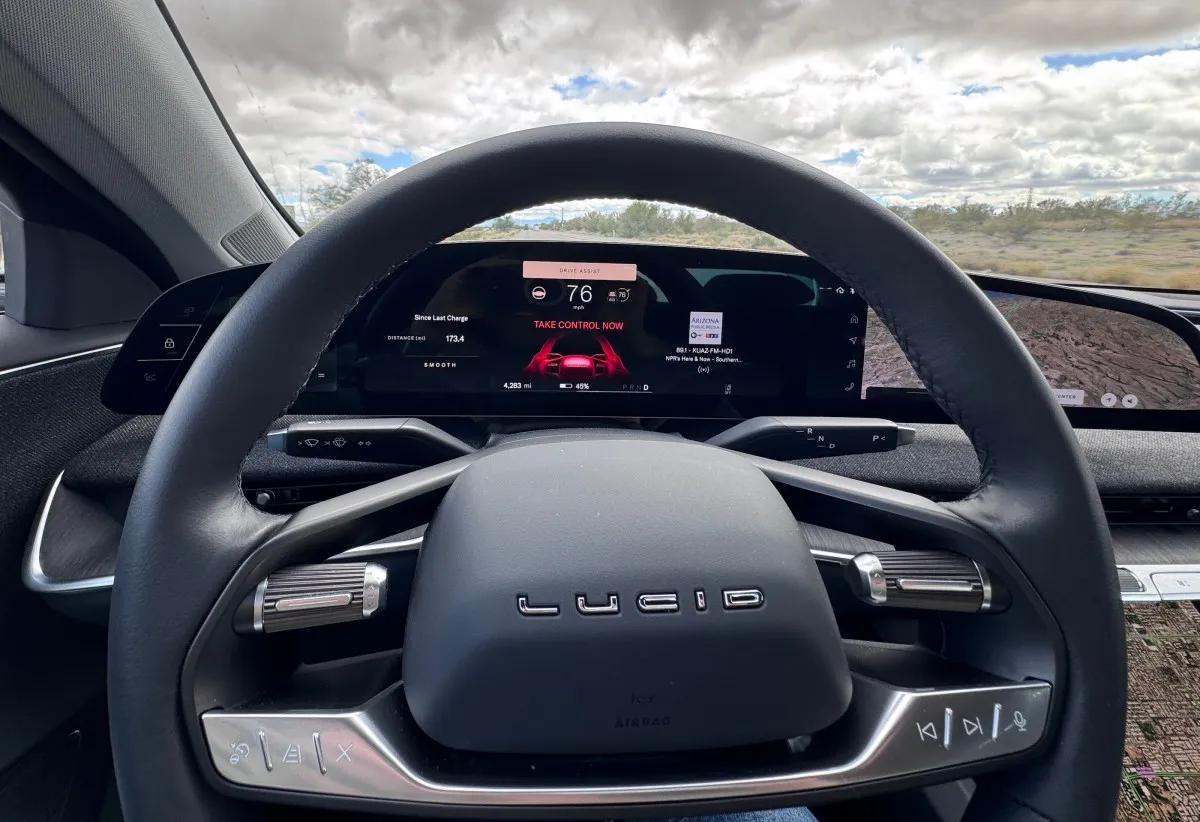
In a move that has sent shockwaves through the electric vehicle (EV) community, Lucid Motors has announced a significant delay in the launch of its highly anticipated affordable EV, the Cosmos. Initially scheduled for release in early 2027, the rollout has now been pushed back nearly a full year to the second half of 2027. This decision comes at a critical juncture for the company, which has been grappling with quality issues and leadership changes that threaten its standing in the increasingly competitive EV market.
Lucid's new CEO, Silvio Napoli, presented this delay as a necessary step to ensure quality and reliability in the company’s future vehicles. His candid appraisal of Lucid's past shortcomings highlights the importance of getting the Cosmos right, especially as it represents a turning point for the brand aimed at reaching a wider customer base with a starting price under $50,000.
Understanding the Delay: Quality Over Speed
The Cosmos was seen as a potential game-changer for Lucid Motors, promising to attract a broader range of consumers with its more accessible price point. However, Napoli's decision to postpone the launch stems from the desire to avoid the pitfalls that have plagued previous vehicle releases, particularly the Gravity SUV. This model has faced criticism for its build quality and software issues, leading to a tarnished reputation for the brand.
The Cost of Inconsistency
Napoli’s acknowledgment of past missteps is a sobering reminder of the challenges facing Lucid. He noted that the company has missed commitments and launched products prematurely, which has resulted in consumer disappointment and operational inefficiencies. As a result, Napoli has undertaken a comprehensive restructuring of the company’s leadership and workforce, cutting costs and aiming for $1.4 billion in savings by year-end.
Market Implications and Competitive Landscape
The delay of the Cosmos not only affects Lucid Motors but also ripples through the broader EV market. As one of the few companies attempting to offer luxury features at a competitive price, Lucid's setbacks raise questions about its ability to compete against established players like Tesla and emerging rivals like Rivian and Ford.
- Established Competitors: Tesla remains the leader in the EV space, with a well-established infrastructure and brand loyalty.
- Emerging Rivals: Rivian and Ford's electric models are gaining traction and have successfully launched products without significant delays.
- Consumer Expectations: The growing demand for affordable EVs means that Lucid's delay might push potential buyers towards competitors who can deliver quicker.
Financial Ramifications and Investor Reactions
Following the announcement of the delay, Lucid’s stock price plummeted by over 15%, reflecting investor concerns about the company’s viability. The company had previously projected higher sales volumes for the year, but now it warns that it will produce and sell fewer vehicles than expected. This situation could strain relationships with suppliers, who may react to reduced demand by increasing prices or failing to meet contractual obligations.
Cash Flow and Operational Efficiency
Despite these challenges, Lucid claims to have sufficient liquidity to sustain its operations into 2027. However, the combination of workforce reductions and production cuts raises questions about operational efficiency and the company’s ability to rebound. The restructuring under Napoli aims to streamline operations, but the focus on cost-cutting could impact innovation and speed to market.
Future Prospects: Robotaxi Services and Strategic Partnerships
With the Cosmos delayed, Lucid is now under increased pressure to deliver on its planned robotaxi service in collaboration with Uber and Nuro. This service is anticipated to launch by the end of this year and represents a key revenue stream for the company. Uber has already placed orders for 10,000 Gravity SUVs to be retrofitted with autonomous technology, along with an order for 25,000 robotaxis based on Lucid's mid-size platform, albeit with production not expected until late 2028.
A Long-Term Vision
Uber’s CEO Dara Khosrowshahi has expressed confidence in Napoli's restructuring efforts, emphasizing the importance of stability and fundamentals. Lucid’s majority stakeholder, Saudi Arabia’s Public Investment Fund, is also seen as a long-term supporter, which could help the company navigate its current challenges. However, the question remains whether these partnerships will be enough to turn the tide for Lucid Motors in a rapidly evolving market.
Key Takeaways
- Lucid Motors has delayed the launch of its Cosmos EV to late 2027, prioritizing quality over speed.
- The company is undergoing significant restructuring, aiming for $1.4 billion in savings by year-end.
- Lucid's current stock price has fallen by over 15%, indicating investor concerns about its future.
- The delay could impact relationships with suppliers and consumer trust in the brand.
- Lucid’s robotaxi service with Uber is a critical focus area amid ongoing challenges.
Frequently Asked Questions
What led to Lucid Motors delaying the Cosmos EV?
The delay was primarily driven by a commitment to avoid the quality issues that have plagued previous vehicle launches. New CEO Silvio Napoli emphasized the need to ensure that the Cosmos is ready for market, rather than rushing its release, which could further damage the brand's reputation.
How does the delay affect Lucid Motors' market position?
The delay may weaken Lucid's competitive edge in the EV market, particularly as more affordable models from competitors are gaining traction. This could lead to potential customers choosing rival brands, impacting Lucid's sales and market share.
What are the company's financial outlook and investor reactions?
Investors reacted negatively to the delay, causing a significant drop in Lucid's stock price. The company is still maintaining that it has enough liquidity to operate into 2027, but the restructuring and production cuts may create longer-term challenges for its financial health and growth prospects.
What future plans does Lucid Motors have after the delay?
Lucid Motors is focusing on the launch of its robotaxi service in partnership with Uber and Nuro as a critical revenue stream. This service is intended to help stabilize the company financially while it navigates the challenges posed by the delayed Cosmos EV and its ongoing restructuring efforts.


Comments
Streaming Giants Eye Free Alternatives Amid Rising Subscription Costs
As Disney+ and Netflix face subscriber churn from repeated price hikes, both companies are exploring free streaming options to attract cost-sensitive viewers. This strategic pivot could reshape the streaming landscape, as ad revenue becomes increasingly vital.

Related articles



Popular in SaaS Reviews
- Roost: The 'Slow-cial' App Redefining Digital Communication
- Uber's Expansion Beyond Ride-Hailing: The Future of Travel and Services
- Sweden's Startup Surge: The Forces Behind a Booming Ecosystem
- X's Algorithm Update: Creating a More Community-Focused Experience
- Elon Musk's Vision for X: Real-Time Misinformation Corrections via DMs