Kalshi's Legal Battle: A Landmark Case in Prediction Market Regulation
Kalshi's recent legal defeat highlights the complex intersection of federal and state laws in the gambling and prediction market sectors. As the company appeals a ruling against its operations in New York, the case underscores broader implications for the future of regulated betting.
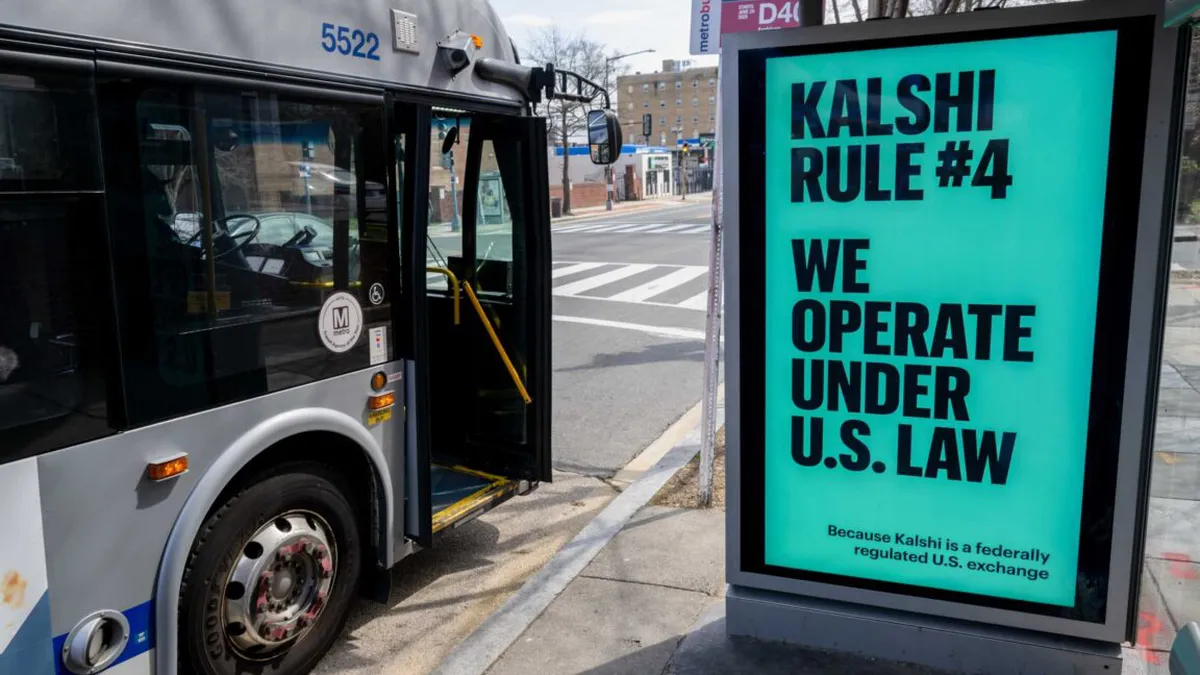
The legal landscape surrounding prediction markets is undergoing significant scrutiny, as evidenced by Kalshi’s recent setback in its ongoing battle against New York State gambling laws. In a ruling handed down by U.S. District Judge Analisa Torres, Kalshi was denied a request to override state regulations, marking a pivotal moment in the evolution of gambling and derivative trading laws in the United States. This case not only affects Kalshi and its operations but also raises fundamental questions about the intersection of federal and state authority in overseeing emerging financial markets.
Kalshi, a platform that allows users to bet on the outcomes of various events, including sporting competitions, has positioned itself as a unique player in the prediction market space. However, its recent legal challenges reveal the complexities organizations face when navigating the regulatory environment in a patchwork of state laws. With New York's stringent gambling regulations at the forefront, Kalshi's battle reflects a broader debate over how prediction markets should be regulated, who gets to regulate them, and the implications for consumers.
Understanding Prediction Markets and Their Regulatory Challenges
Prediction markets allow participants to buy and sell contracts based on the outcomes of future events, functioning similarly to traditional financial markets. They enable users to speculate on a wide array of topics, from political elections to sports events. However, as these markets have gained popularity, they have also attracted attention from regulators concerned about consumer protection and the potential for illegal gambling activities.
The Dichotomy of Federal and State Regulations
The crux of Kalshi’s legal troubles stems from the apparent conflict between federal regulations, such as those enforced by the Commodity Futures Trading Commission (CFTC), and state laws governing gambling. Kalshi argues that its contracts should be classified under the CFTC's jurisdiction as swaps, which would exempt it from state gambling laws. However, Judge Torres ruled that Congress did not intend for federal regulations to preempt all state actions regarding derivatives trading.
Key points from the ruling include:- Judge Torres emphasized that New York's gambling laws are designed to protect consumers, particularly vulnerable populations like young adults.
- The CFTC's inaction regarding prediction markets does not nullify state regulations; rather, the two can coexist.
- Historical precedent suggests that states have always exercised regulatory power over gambling, reinforcing the legal basis for New York's stance against Kalshi.

The Implications for Prediction Markets
The ruling stands as a significant precedent in the ongoing legal discourse surrounding gambling regulation. Kalshi's attempt to assert that it operates outside the scope of state law raises fundamental questions about the future of prediction markets in the United States. If state laws are upheld, companies like Kalshi may face significant operational hurdles, including the need to comply with a myriad of state-specific regulations, which could stifle innovation in the sector.
Consumer Protection vs. Market Innovation
At the heart of the matter lies a critical tension between consumer protection and market innovation. New York officials have voiced concerns that unregulated platforms could lead to increased gambling addiction and related issues among young adults, particularly those aged 18 to 24. As a result, the state has taken a proactive approach in enforcing its gambling laws, emphasizing the need for regulatory oversight.
Conversely, proponents of prediction markets argue that stricter regulations could limit access to valuable information and betting options for consumers. By offering a platform for informed speculation, prediction markets can serve as an innovative financial tool. However, without adequate safeguards in place, the risk remains that consumers could be exposed to unregulated and potentially harmful gambling practices.

Kalshi's Path Forward: Appeals and Broader Implications
Following the ruling, Kalshi has announced its intention to appeal to the U.S. Court of Appeals for the 2nd Circuit. This legal avenue could potentially set the stage for a landmark decision on the jurisdictional boundaries between federal and state authorities regarding gambling and prediction markets. As the case continues to unfold, the outcome may influence not only Kalshi’s operations but also the regulatory landscape for similar platforms across the country.
Potential Effects on the Industry
The implications of this legal battle extend beyond Kalshi, as other prediction market operators may also find themselves under scrutiny from state regulators. The legal precedent set by this case could either pave the way for a more standardized approach to regulating prediction markets or create a fragmented landscape where companies must navigate a confusing array of state laws.
Key considerations for companies in the prediction market space include:- Understanding the regulatory environment: Companies must stay informed about state-specific regulations that may affect their operations.
- Balancing innovation with compliance: Firms should seek to innovate while ensuring they are compliant with existing laws.
- Consumer education: Platforms should prioritize educating users on the risks associated with prediction markets and the importance of responsible gambling.

Key Takeaways
- Kalshi's legal defeat highlights the complex interplay between federal and state regulations.
- The ruling underscores the importance of consumer protection in gambling regulation.
- Kalshi’s appeal could set a significant precedent for the future of prediction markets in the U.S.
- Companies in this space must navigate a challenging regulatory landscape while fostering innovation.
Frequently Asked Questions
What are prediction markets?
Prediction markets are platforms that allow users to buy and sell contracts based on the anticipated outcomes of future events, ranging from sports to politics. Participants can speculate on these events, with prices fluctuating based on the perceived likelihood of different outcomes. These markets are often likened to traditional financial trading but are focused on event outcomes rather than asset prices.
How do state and federal regulations interact in the context of prediction markets?
The interaction between state and federal regulations in prediction markets is complex. While the CFTC has jurisdiction over derivatives trading, individual states maintain the authority to regulate gambling within their borders. This can create conflicts, as seen in Kalshi's legal challenges, where state laws may impose restrictions that federal regulations do not. Ultimately, the courts will need to clarify the balance of power between federal and state authorities in this emerging market.
What might happen next for Kalshi?
Kalshi has indicated that it will appeal the recent ruling to the U.S. Court of Appeals for the 2nd Circuit. This appeal could result in a higher court re-evaluating the interaction between federal and state regulations, potentially leading to a ruling that either reinforces or challenges the current regulatory framework. The outcome of this legal battle will be critical for Kalshi's operations and could set a precedent for other companies in the prediction market space.
Comments
Elon Musk's Vision for X: Real-Time Misinformation Corrections via DMs
Elon Musk's latest initiative for X aims to enhance user engagement by notifying them via direct messages when posts they've interacted with receive corrections. This feature seeks to combat misinformation by ensuring timely communication of corrections, addressing criticism of the existing Community Notes system.

Related articles


Popular in SaaS Reviews
- Roost: The 'Slow-cial' App Redefining Digital Communication
- Uber's Expansion Beyond Ride-Hailing: The Future of Travel and Services
- Sweden's Startup Surge: The Forces Behind a Booming Ecosystem
- X's Algorithm Update: Creating a More Community-Focused Experience
- Elon Musk's Vision for X: Real-Time Misinformation Corrections via DMs