Robinhood's New Venture Fund: Investing in Y Combinator Startups for Everyone
Robinhood is set to launch the Robinhood Venture Fund II, allowing retail investors to back Y Combinator startups. This innovative fund aims to democratize venture capital investment, but comes with its own set of complexities.
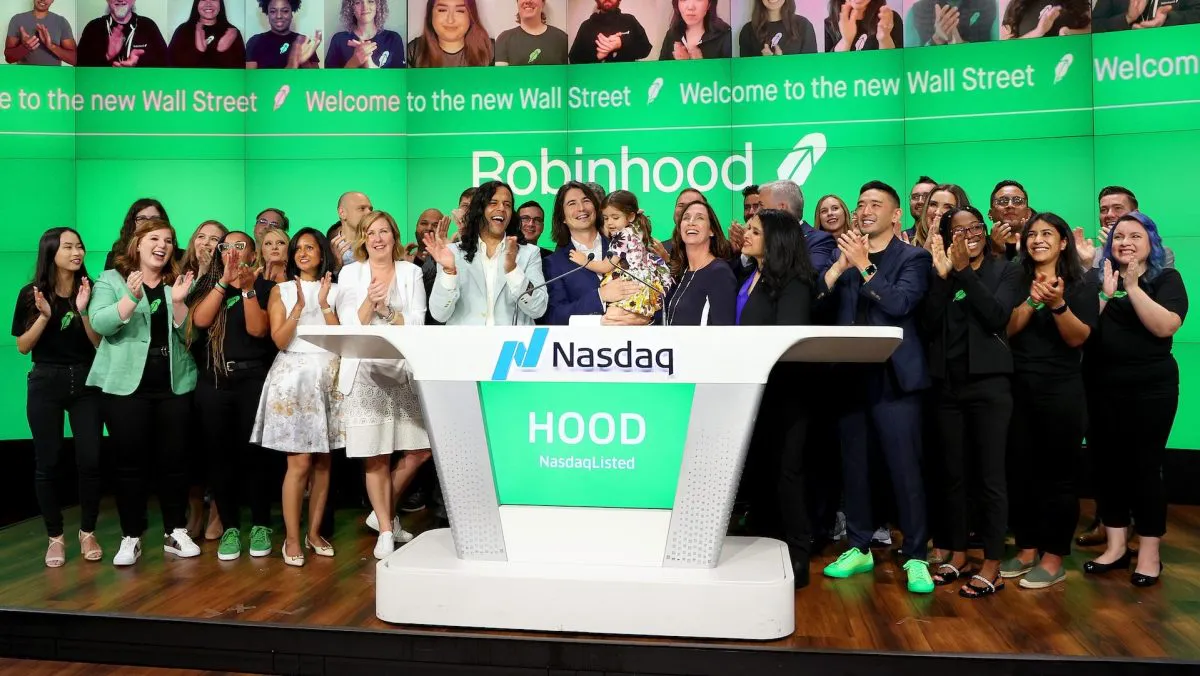
In an era where the barriers to entry for investing in startups are gradually lowering, Robinhood is making headlines with its latest financial instrument, the Robinhood Venture Fund II (RVII). Scheduled to go public on August 13, 2026, at an opening price of $25 per share, this fund aims to raise as much as $200 million to invest in startups that are part of the prestigious Y Combinator (YC) accelerator program. This ambitious initiative aims to democratize the venture capital landscape, allowing everyday investors to feel a sense of ownership in the high-stakes world of startup funding.
However, while the allure of backing Y Combinator's highly regarded startups is enticing, potential investors need to navigate a complex terrain filled with fees, profit-sharing arrangements, and the realities of startup investment risk. This article will delve into how the RVII works, the implications for retail investors, and what this means for the future of investment in high-growth startups.
Understanding the Robinhood Venture Fund II
The Robinhood Venture Fund II is designed to provide retail investors a unique opportunity to invest in the startup ecosystem, specifically targeting companies that have emerged from Y Combinator. This fund will not directly hold shares in these startups. Instead, it functions as a publicly traded fund that aims to aggregate investments to make larger, pooled investments in various YC-backed companies.
Investment Strategy and Structure
Unlike traditional venture capital funds that typically run for about ten years, RVII does not have a defined end date for returning profits to investors. This lack of a clear exit strategy may create uncertainty for potential investors. The fund will charge management fees that align with industry standards, including a 2% fee on net returns and a 20% carry on profits generated from successful exits.
- Opening Price: $25 per share
- Target Raise: Up to $200 million
- Management Fees: 2% of net returns plus additional fees, totaling over 4%
- Carried Interest: 20% of profits from successful exits
What this means is that while investors can trade shares in RVII, the profit potential will largely depend on the fund's performance in the public market, rather than a guaranteed return from the startups themselves. This structure contrasts sharply with traditional venture capital investments, where returns are typically tied to the eventual sale or public offering of the companies invested in.

The Appeal of Y Combinator Startups
Y Combinator has a storied reputation for nurturing startups that have gone on to achieve massive success, such as Airbnb, Dropbox, and Stripe. The appeal of investing in a fund that targets these high-potential companies is clear. Many retail investors are eager to capitalize on the success of startups that have been vetted by YC's rigorous selection process.
Investing in such a fund allows retail investors to participate in the potential upside of these companies without needing the capital or expertise typically required to invest directly in startups. However, this comes with inherent risks:
- Startups are notoriously volatile, and many fail to achieve significant growth.
- Investors in RVII will not have direct ownership stakes in the startups, meaning they miss out on the potential for outsized returns from successful exits.
- The fund's performance may not accurately reflect the success of the individual startups it invests in, leading to potential discrepancies in expected returns.
These factors make it crucial for investors to understand the structure and risks associated with RVII before jumping in.
Comparative Analysis with Other Investment Vehicles
Robinhood's first venture fund, the Robinhood Ventures Fund I (RVI), serves as a useful benchmark for evaluating RVII. Launched to invest in hot private companies like Databricks and OpenAI, RVI has experienced significant fluctuations in its stock price. After initially peaking at over $56 per share, it now trades around $28. This volatility showcases the potential for both gains and losses in the public market, particularly for a fund tied to the unpredictable world of startups.
Unlike RVII, traditional VC funds offer a more structured investment approach, with defined exit strategies and usually provide regular distributions of profits. This makes them a more attractive option for conservative investors seeking stability and predictability in their returns. In contrast, RVII's ambiguous timeline for profit returns and reliance on stock price appreciation could deter risk-averse investors.

Challenges and Controversies Ahead
Robinhood has faced scrutiny in the past, particularly concerning its approach to marketing financial products. In 2025, the company sold tokenized crypto assets as shares of companies like OpenAI and SpaceX, only to be called out by those companies for misrepresentation. This has raised concerns about the integrity of Robinhood's investment products, and potential investors in RVII need to be aware of this history as it may influence their perception of the new fund.
Moreover, the fund's reliance on the performance of Y Combinator startups introduces another layer of risk. While YC has a strong track record, the nature of startups means that even the most promising companies can fail. The absence of a clear profit distribution strategy also raises questions about how and when investors can expect to see returns.

Key Takeaways
- Robinhood's RVII allows retail investors to back Y Combinator startups, democratizing venture capital.
- The fund has a complex fee structure, with management and carried interest fees totaling over 4%.
- Investors face risks typical of startup investments, including volatility and the absence of direct ownership.
- Comparatively, RVII lacks the structured exit strategies of traditional VC funds.
- Robinhood's past controversies could influence investor sentiment regarding the new fund.
Frequently Asked Questions
What is the primary benefit of investing in Robinhood's RVII?
The primary benefit of investing in RVII is the opportunity for retail investors to gain exposure to high-potential startups backed by Y Combinator, which has a proven track record of nurturing successful companies. This fund allows individuals to participate in the startup ecosystem without needing substantial capital or direct access to private investments.
What are the risks associated with RVII?
Investing in RVII carries several risks, including the volatility typically associated with startup investments. Additionally, investors do not directly own shares in the startups, potentially limiting their returns. The fund's ambiguous profit distribution timeline also raises concerns about when and how investors will see returns on their investments.
How does RVII compare to traditional venture capital funds?
Unlike traditional venture capital funds, which usually have defined exit strategies and provide regular distributions of profits, RVII lacks a clear timeline for profit returns. This could make it a less attractive option for investors seeking stability and predictability. Additionally, RVII's fee structure may be more complex compared to traditional VC investments, which typically have well-defined management fees and profit-sharing arrangements.
Is there a risk of losing money with RVII?
Yes, there is a risk of losing money with RVII, particularly because of the volatility associated with startup investments. The fund's performance is tied to the market price of its shares and the success of the underlying Y Combinator startups. Investors should carefully consider their risk tolerance and conduct thorough research before investing in RVII.
Comments
Klaviyo's Strategic Acquisition of Agency: A Reunion of Tech Innovators
Klaviyo's acquisition of Elias Torres' Agency marks a milestone in the evolution of AI-powered customer success tools, bringing together seasoned entrepreneurs in a bid to enhance marketing automation. This merger promises to leverage years of customer data to create powerful AI agents for businesses.

Related articles





Popular in SaaS Reviews
- Roost: The 'Slow-cial' App Redefining Digital Communication
- Uber's Expansion Beyond Ride-Hailing: The Future of Travel and Services
- Sweden's Startup Surge: The Forces Behind a Booming Ecosystem
- X's Algorithm Update: Creating a More Community-Focused Experience
- Elon Musk's Vision for X: Real-Time Misinformation Corrections via DMs