Siri's Evolution: A Long-Awaited AI Upgrade or Just Catching Up?
Apple's Siri has finally received a significant upgrade, but its arrival feels understated amid the rapid advancements in AI. This article explores the implications of Siri's improvements and its place in the current AI landscape.
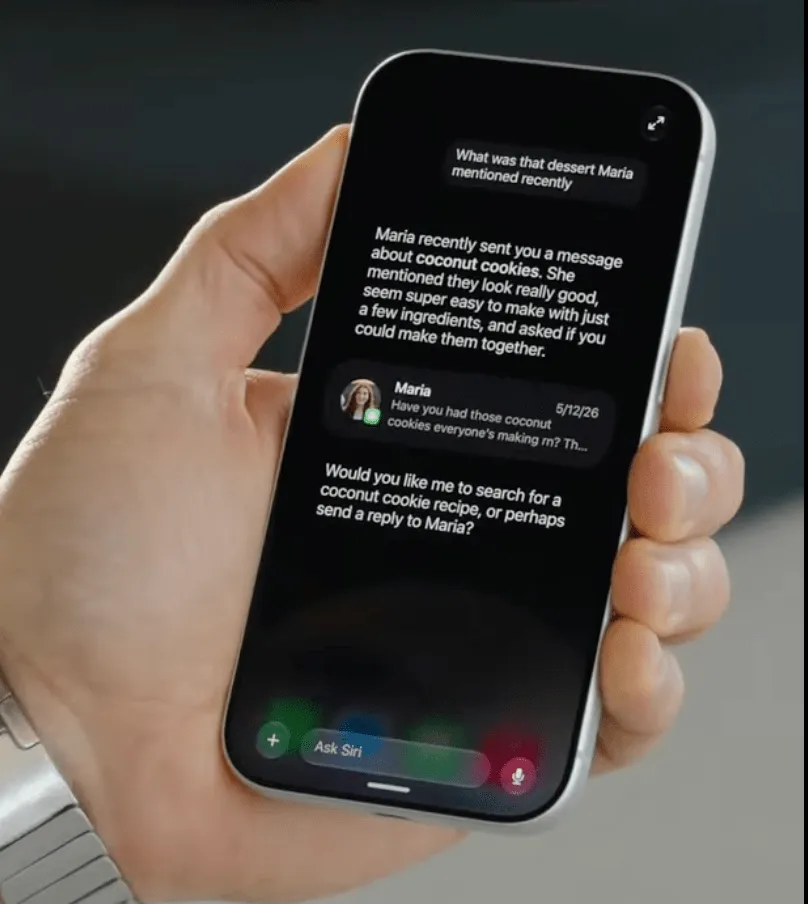
After years of anticipation and delays, Apple has launched a much-anticipated upgrade to its voice assistant, Siri, with the introduction of iOS 27. As the company finally delivers on its promises, Siri now offers an impressive array of features, including improved contextual understanding, the ability to engage in natural conversations, and access to a wealth of information stored on your iPhone. Yet, the sense of excitement surrounding this update feels muted, perhaps overshadowed by the rapid advancements in artificial intelligence across the tech industry.
The new Siri is not just a minor enhancement; it represents a significant leap forward in Apple's voice assistant capabilities. However, this milestone arrives in a market where other AI tools have made remarkable strides, performing complex tasks and integrating seamlessly into users' workflows. In this article, we will delve into what the new Siri can do, the technology behind its improvements, and why its launch feels less revolutionary than it should.

The New Features of Siri: What’s Changed?
Apple's Siri has undergone a transformation that brings it closer to the functionality users have long desired. The most notable upgrades include:
- Contextual Understanding: Siri now comprehends personal context, enabling it to pull relevant information from your device without needing specific prompts. For instance, users can ask for a recent receipt or a saved photo without specifying where it is stored.
- Natural Interaction: With the capability for back-and-forth conversations, Siri can engage users more effectively, adapting its responses based on previous interactions.
- Integration with Apps: Users can now launch websites and utilize apps directly through Siri, whether that's getting directions, playing music, or drafting emails.
- Creative Assistance: Siri can brainstorm ideas, suggest recipes based on available ingredients, and provide event information relevant to the user’s location.
- Enhanced Voice Features: Users can adjust Siri’s expressiveness and pacing, allowing for a more personalized interaction.
These features transform Siri into a more useful assistant, capable of performing tasks that make daily technology usage smoother and more intuitive. However, despite these advancements, the timing of Siri's upgrade raises questions about Apple's pace in the AI race.

Reasons for the Anticlimactic Response
Despite the advancements, many tech enthusiasts and consumers feel that the launch of this new Siri is anticlimactic. Several factors contribute to this sentiment:
Delayed Response to Market Trends
Apple’s delay in rolling out significant improvements to Siri comes at a time when competitors like Google Assistant and Amazon Alexa have already established themselves as formidable AI assistants. These platforms have incorporated advanced machine learning techniques, allowing them to handle complex tasks and engage users in deeper interactions. As a result, Siri's enhancements, while impressive, feel like a necessary catch-up rather than a groundbreaking innovation.
High Expectations and Historical Context
For years, Siri has faced criticism for its limitations and inconsistencies. Users have often expressed frustration over its inability to perform simple tasks effectively. With such a long history of shortcomings, the latest improvements may seem like merely addressing a long-standing bug rather than unveiling a revolutionary experience. The expectation is that Siri should have been capable of these enhancements from the beginning.
Broader AI Landscape
The current AI landscape is characterized by rapid advancements, with tools that can write code, create music, and even generate visual art. Companies like OpenAI and Microsoft have introduced systems capable of complex reasoning and multi-step task execution. In this context, Siri's new capabilities, while commendable, do not necessarily stand out as revolutionary. Rather, they reflect a baseline standard that many users have come to expect from digital assistants.

Technological Foundations: The Role of AI Models
One of the critical factors behind Siri’s recent improvements is Apple’s partnership with Google to utilize its Gemini AI models. This collaboration allowed Apple to refine its proprietary Apple Foundation Models, designed specifically to operate on Apple’s silicon and private cloud infrastructure. This strategic move has enabled Siri to deliver more accurate and context-aware responses.
However, this reliance on external technology raises questions about Apple's innovation strategy. While leveraging existing AI models can enhance Siri’s functionality, it also highlights the need for Apple to develop its own advanced AI capabilities to maintain a competitive edge in the future. The ongoing reliance on partnerships may limit Apple's potential to lead in AI innovation.
What This Means for Apple Users
For Apple users, the new Siri offers a range of functionalities that can enhance their experience with iOS devices. The ability to perform tasks more accurately and to engage in natural conversations represents a significant improvement. Users can expect:
- Greater efficiency in managing tasks and retrieving information.
- Improved interaction with devices, making technology feel more accessible.
- Enhanced personalization through contextual understanding.
However, the launch also serves as a reminder of the competitive pressure Apple faces in the AI space. As voice assistants become increasingly integrated into daily workflows, the expectation is that Apple will continue to innovate and improve Siri to meet user demands and compete effectively with rival platforms.
Key Takeaways
- Siri’s latest improvements enhance its contextual understanding and functionality.
- Despite significant upgrades, the response has been muted due to market competition and historical shortcomings.
- Apple’s partnership with Google has facilitated Siri’s advancements but raises questions about Apple's long-term AI strategy.
- Users can expect a more efficient and personalized experience with the new Siri.
Frequently Asked Questions
What specific features does the new Siri offer?
The updated Siri includes enhanced contextual understanding, allowing it to retrieve information without explicit prompts, the ability to engage in natural conversations, and improved integration with various apps. Users can now ask Siri to perform tasks like finding receipts or suggesting recipes based on fridge contents.
Why does the launch feel anticlimactic?
The sense of anticlimax stems from Apple's delayed response to competitive advancements in AI technology, as other platforms have already established advanced capabilities. Additionally, users have long been frustrated with Siri's limitations, making the recent improvements feel more like a necessary correction than a groundbreaking development.
How does Apple’s partnership with Google impact Siri?
Apple's collaboration with Google to utilize Gemini AI models has significantly improved Siri's performance. This partnership has enabled Apple to refine its AI models to better suit its hardware and infrastructure. However, it also raises concerns about Apple's reliance on external technology for critical advancements in its digital assistant.
What can users expect in the future from Siri?
While the current updates are promising, users can anticipate that Apple will need to continue innovating to stay competitive in the rapidly evolving AI landscape. Future updates may include more advanced functionalities, deeper integrations with other Apple services, and enhancements that further improve Siri's contextual understanding and task execution capabilities.
Comments
Popular in Developer Tools
- Why Greylock Partners Caps Fund Size in a Growing Industry
- Roblox Unleashes AI-Powered Game Creation for Mobile Users
- DeepSeek Launches Open Source Alternative to Claude Code, Ups API Pricing
- Cursor Launches Origin: A New Challenger to GitHub's Dominance
- Apple's Camera-Equipped AirPods: Innovation or Invasion?