Global Memory Chip Shortage Disrupts MacBook Air Availability
The ongoing global memory chip shortage has significantly impacted the availability of Apple's MacBook Air, leading to longer wait times for consumers. This article explores the causes and implications of this shortage, as well as Apple's strategies to mitigate the impact.
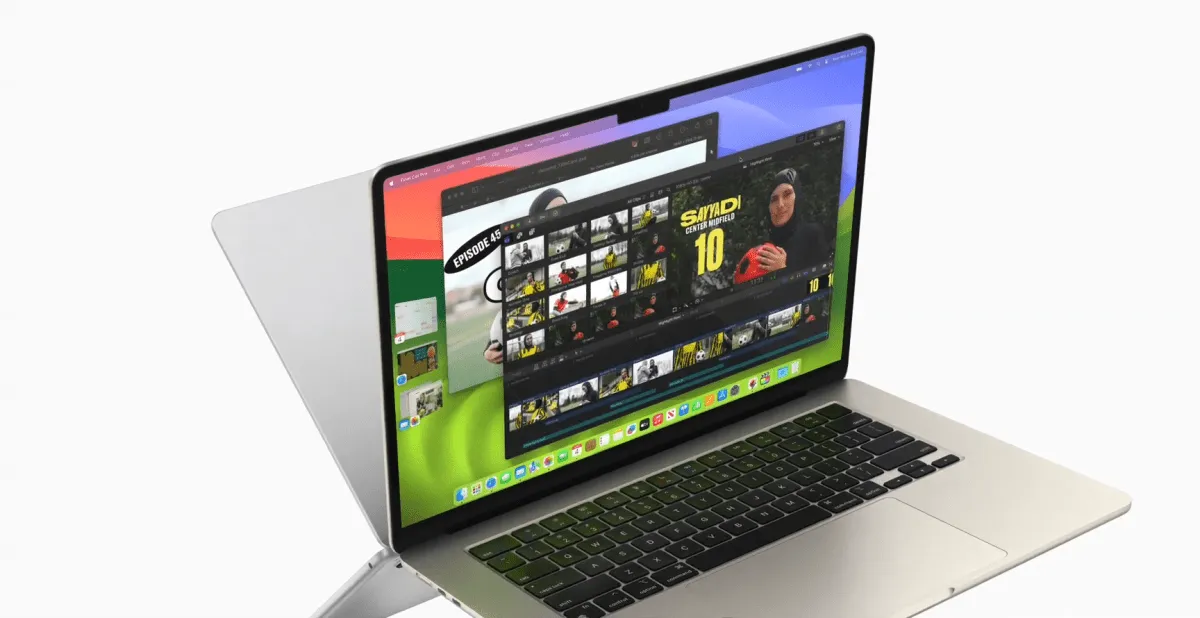
The tech world is currently grappling with a significant challenge that is reverberating across multiple industries: a global memory chip shortage. This shortage has not only affected high-demand sectors like artificial intelligence but is also having a pronounced impact on consumer electronics, particularly Apple’s beloved MacBook Air. As reported by Bloomberg’s Mark Gurman, the situation has escalated to the point where even the most popular configurations of this laptop are becoming increasingly hard to find.
Consumers looking to purchase a MacBook Air through Apple's official website are encountering a daunting reality: most models are back-ordered, with delivery times extending into late August and even September for certain configurations. The supply chain issues that initially affected Apple's niche computer models, like the Mac mini and Mac Studio, are now impacting one of their flagship products. This article delves into the root causes of this chip shortage, its implications for Apple and consumers, and potential strategies to navigate these turbulent times.

Understanding the Memory Chip Shortage
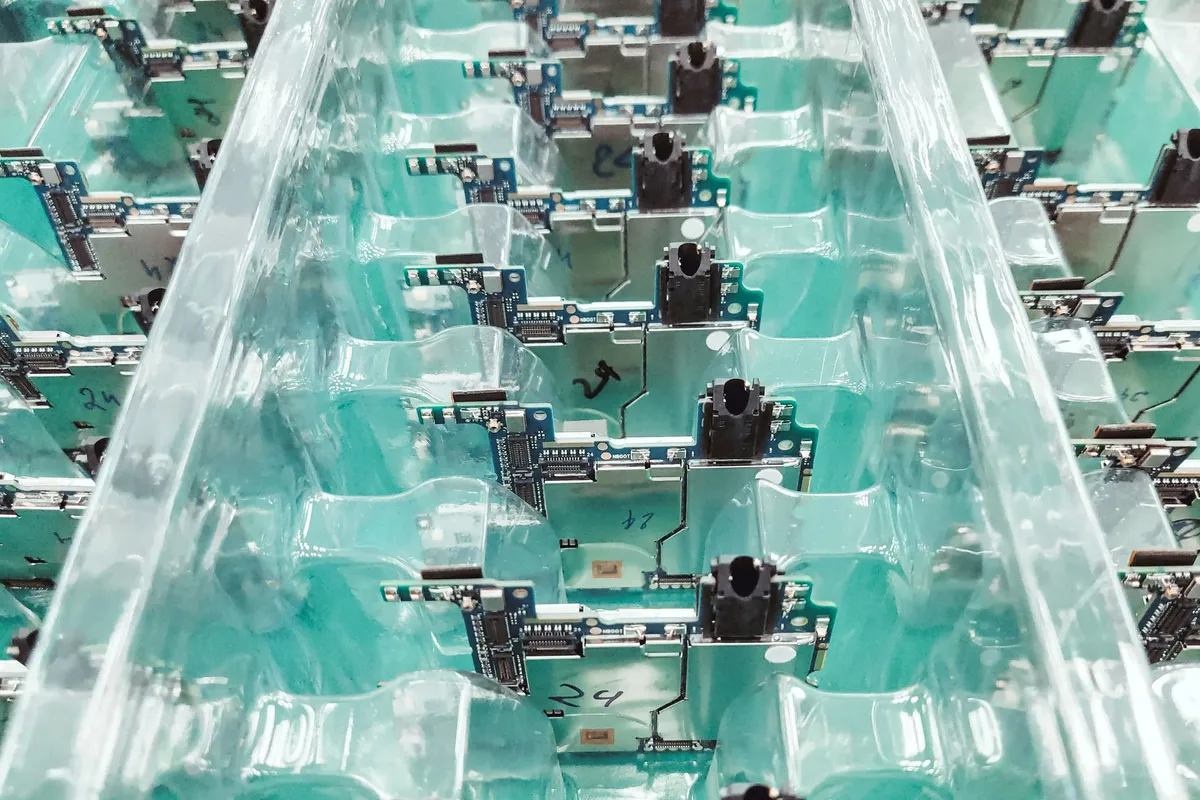
The global memory chip shortage is primarily driven by an increase in demand from sectors that rely heavily on advanced computing capabilities, particularly AI companies. As businesses rush to integrate AI technologies, the need for high-performance memory chips has skyrocketed, putting pressure on manufacturers who are struggling to keep up with this surging demand.
Memory chips, including DRAM (Dynamic Random Access Memory) and NAND flash memory, are essential components in a wide array of electronics, from smartphones to computers. The semiconductor supply chain has faced numerous challenges over the past few years, including:
- **Pandemic disruptions**: COVID-19 caused significant factory closures and labor shortages, leading to production delays.
- **Increased consumer demand**: As more people worked from home, the demand for personal computers surged.
- **Geopolitical tensions**: Trade disputes, particularly between the U.S. and China, have also complicated supply chains.
Impact on Apple’s Product Strategy
Apple is facing a dual challenge: not only is it struggling to maintain stock levels for the MacBook Air, but it is also under pressure to adapt its marketing strategies. In a move that reflects the ongoing supply issues, Apple recently delayed its traditional back-to-school promotion, which typically attracts students and educators eager to purchase new devices ahead of the school year.
For the first time, Apple’s promotional material appears to be emphasizing the base model of the MacBook Pro rather than the MacBook Air. This shift indicates a strategic pivot aimed at directing consumer attention toward models that may be less impacted by supply constraints. The phrase “MacBook Air subject to availability” is now prominently featured in marketing, a clear signal of the current supply challenges.

Apple's Response to the Shortage
In response to the ongoing shortage, Apple is reportedly taking several decisive actions to mitigate the impact:
- **Price adjustments**: Apple is considering raising prices on certain MacBook Air configurations as a way to manage demand and increase margins amid lower supply.
- **Sourcing from new suppliers**: The company is looking to diversify its supply chain by engaging with additional memory suppliers, including those in China, which could help stabilize availability over the long run.
- **Production prioritization**: Apple may prioritize the production of higher-margin products, like the MacBook Pro, to ensure profitability while managing limited resources.
Consumer Considerations Amid Shortages
For consumers, the memory chip shortage presents a unique set of challenges. The implications of limited availability can lead to longer wait times and potentially higher prices. If you're in the market for a MacBook Air, consider the following strategies:
- **Be flexible with configurations**: If you are open to various configurations, you may find options that are available sooner than others.
- **Explore alternatives**: If you need a laptop urgently, consider looking at other brands or models that may have better availability.
- **Stay informed**: Regularly check Apple's website and sign up for notifications related to product availability.
Key Takeaways
- The global memory chip shortage is severely impacting the availability of Apple’s MacBook Air.
- Increased demand from AI companies is a primary cause of the chip shortage.
- Apple is adapting its marketing strategies and exploring new supplier relationships.
- Consumers may face higher prices and longer wait times for MacBook Air purchases.
Frequently Asked Questions
What caused the memory chip shortage?
The memory chip shortage is a result of several factors, including increased demand from AI sectors, pandemic-related disruptions in manufacturing, and geopolitical tensions affecting supply chains. These issues have made it hard for chip manufacturers to meet the growing demand, leading to shortages across various electronics.
How is Apple handling the supply issues?
Apple is addressing the supply issues by raising prices on certain models, diversifying its supplier base to include manufacturers from China, and focusing its marketing efforts on models that are less affected by the shortage. This strategy aims to manage consumer expectations while maximizing profitability.
What should I do if I need a MacBook Air immediately?
If you need a MacBook Air urgently, consider being flexible with the specific configuration you want, as some may be available sooner than others. You might also want to explore alternative brands or models that are not facing the same supply constraints. Staying informed about product availability on Apple’s website can also help you make a timely purchase.
Comments
Popular in Developer Tools
- Why Greylock Partners Caps Fund Size in a Growing Industry
- Roblox Unleashes AI-Powered Game Creation for Mobile Users
- DeepSeek Launches Open Source Alternative to Claude Code, Ups API Pricing
- Cursor Launches Origin: A New Challenger to GitHub's Dominance
- Apple's Camera-Equipped AirPods: Innovation or Invasion?