The Rise of the London Island Founder House: A New Model for Startup Culture
In the heart of East London, a unique co-living space is redefining startup culture by focusing on holistic well-being instead of the hustle. The London Island Founder House, affectionately known as Lift House, aims to provide a balanced environment for tech founders to thrive without succumbing to the burnout often seen in Silicon Valley.

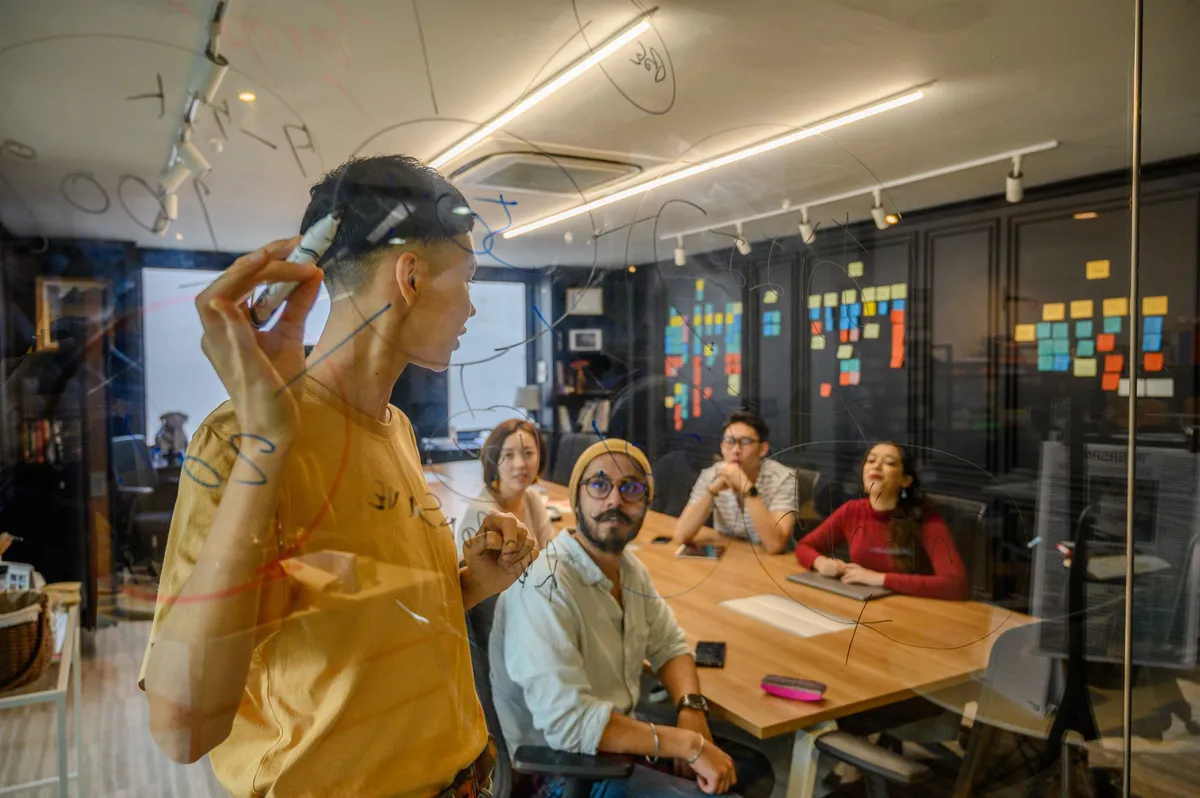
In the bustling tech landscape of East London, a group of six young entrepreneurs is taking a refreshing approach to startup life. They have established what they call the London Island Founder House, or Lift House, aiming to combat the burnout that often plagues startup founders, particularly those who emulate the notorious hustle culture of Silicon Valley. Instead of the relentless pressure of a looming Demo Day, the founders at Lift House focus on creating a supportive community that prioritizes well-being, collaboration, and personal growth.
Founded in March 2026, Lift House is a six-story building situated by the waterfront, designed as both a startup workspace and a co-living space. Unlike the numerous hacker houses in San Francisco that often promote a cutthroat atmosphere, Lift House represents a ‘holistic improvement in life,’ as articulated by Rowan Aldean, one of the house's residents and an entrepreneur who previously sold his startup for millions. The founders believe that success can be achieved without the extreme pressure and unhealthy competition typically associated with tech incubators in the U.S.
Creating a Balanced Community
The Lift House community is a diverse group of founders from various backgrounds, each bringing a unique perspective to the table. Aldean and his wife, Zahraa, a PhD candidate in pharmaceutical research, cohabitate with four other founders who run startups in the AI and tech sectors. The living arrangements are flexible; some residents stay for a month, while others commit to longer terms, fostering an ever-evolving dynamic of collaboration and support.
Rather than the traditional approach of individualistic ambition, the residents of Lift House emphasize a balanced lifestyle where personal health and well-being are priorities. Weekly group journaling sessions help track individual progress in various aspects of life, including physical health, mental well-being, and social engagement. For instance, Luke, a resident running an AI marketing firm, noted that his time at Lift House has led to healthier eating habits and more consistent meal routines.

Activities that Foster Connection
The house is not only a space for work but also a hub for social interaction. Activities are organized to foster camaraderie, such as volleyball matches in the local league on Tuesday evenings and casual game nights featuring board games like Catan. Residents also engage in cultural exchanges through dinner parties showcasing diverse cuisines from their respective backgrounds, creating a rich tapestry of experiences and friendships.
This sense of community is vital for founders who often face isolation in their entrepreneurial journeys. By engaging in shared activities, residents can both unwind and network, discussing trends and insights in the tech industry over shared meals. This approach contrasts starkly with the more competitive environment of Silicon Valley, where interactions can often feel transactional.
The London Ecosystem: A Different Kind of Pressure
While the Lift House promotes a supportive environment, the founders still face challenges inherent in the London startup landscape. The cultural attitude towards risk is markedly different in the U.K. compared to the U.S. British founders often grapple with a phenomenon known as the “tall poppy syndrome,” in which success is celebrated but can quickly turn into scrutiny and criticism. This societal pressure can discourage founders from flaunting their achievements, leading to a more subdued approach to ambition.
However, the London tech scene is experiencing a renaissance, particularly in the field of artificial intelligence. In 2026 alone, London AI startups have raised approximately $12 billion, highlighting the city as a burgeoning hub for innovation. Notable companies such as DeepMind have paved the way, inspiring a new generation of founders to take significant risks and pursue their entrepreneurial dreams.
Funding and Growth Opportunities
For many residents of Lift House, the U.K. government’s Seed Enterprise Investment Scheme (SEIS) and Enterprise Investment Scheme (EIS) provide accessible funding options that allow startups to thrive without immediately resorting to venture capital. This funding approach encourages local investments and mitigates the pressure to chase after large checks from investors, which can often come with strings attached.
As the founders navigate their respective journeys, they maintain a keen eye on the U.S. market, where many see expansion opportunities. The appeal of the American tech ecosystem, with its vast resources and investor networks, often leads U.K. founders to consider relocating. For example, Luke and his co-founder Varun have already begun to strategize their U.S. expansion while acknowledging the unique advantages London offers, such as access to top-tier talent and a vibrant cultural scene.
Future Prospects and Impact on the Tech Scene
As the Lift House community looks ahead, there is a palpable excitement about the potential for growth and the impact they can make within the broader London startup ecosystem. With about a year left on their lease, the founders express a desire to maintain the house as a haven for aspiring entrepreneurs. The sentiment is that such environments are crucial for fostering innovation without the toxicity associated with intense hustle culture.
The Lift House is part of a growing trend in London known as “Londonmaxxing,” where founders seek to maximize the unique benefits of the city’s tech scene without succumbing to over-the-top displays of success. This movement reflects a shift in mindset among entrepreneurs, prioritizing sustainability, mental health, and community over the relentless pursuit of capital and validation.

Key Takeaways
- Lift House exemplifies a new startup culture that prioritizes well-being and community over hustle.
- London’s tech scene is booming, particularly in AI, with over $12 billion raised in 2026 alone.
- Flexible living arrangements foster collaboration and support among founders.
- Unique cultural pressures shape the entrepreneurial landscape in the U.K., promoting a more balanced approach.
- Government funding schemes like SEIS/EIS provide valuable resources for early-stage startups in the U.K.
Frequently Asked Questions
What is the concept behind Lift House?
Lift House is a co-living and co-working space designed for tech founders in London. It aims to provide a supportive community that prioritizes mental health and well-being, contrasting sharply with the hustle culture seen in Silicon Valley. The founders engage in various activities together, including journaling, cooking, and playing sports, fostering a sense of camaraderie and collaboration.
How does Lift House differ from traditional hacker houses in Silicon Valley?
While traditional hacker houses in Silicon Valley often emphasize competition and high-pressure environments, Lift House promotes a balanced lifestyle. Residents focus on their mental and physical health while working on their startups, participating in community-building activities that encourage sharing experiences and support rather than rivalry.
What challenges do U.K. founders face compared to their U.S. counterparts?
U.K. founders often encounter cultural attitudes that discourage overt displays of success, known as the “tall poppy syndrome.” This contrasts with the more aggressive, risk-taking culture in the U.S. Additionally, while U.K. founders have access to supportive government funding schemes, they may face longer sales cycles and market entry challenges compared to the fast-paced U.S. market.
Is the Lift House model scalable to other cities?
The Lift House model could potentially be adapted to other cities, particularly those with burgeoning tech scenes. The emphasis on community, well-being, and collaboration could resonate with founders in various regions, especially as the global startup landscape increasingly recognizes the importance of avoiding burnout and fostering sustainable growth.
Comments
Pathogenic Review: A Unique Roguelite Experience as a Virus
Pathogenic offers an innovative twist on the roguelite genre, allowing players to embody a virus while battling through the human body. With engaging gameplay mechanics and a variety of upgrades, it stands out in a crowded market.

Related articles
Popular in Developer Tools
- Why Greylock Partners Caps Fund Size in a Growing Industry
- Roblox Unleashes AI-Powered Game Creation for Mobile Users
- DeepSeek Launches Open Source Alternative to Claude Code, Ups API Pricing
- Cursor Launches Origin: A New Challenger to GitHub's Dominance
- Apple's Camera-Equipped AirPods: Innovation or Invasion?