Rivian Spinoff Also Launches E-Bikes After Delays: What You Need to Know
Rivian spinoff Also is set to deliver its first e-bikes after months of supply chain delays. With ambitious plans ahead, the company seeks to establish its presence in the growing electric bike market.
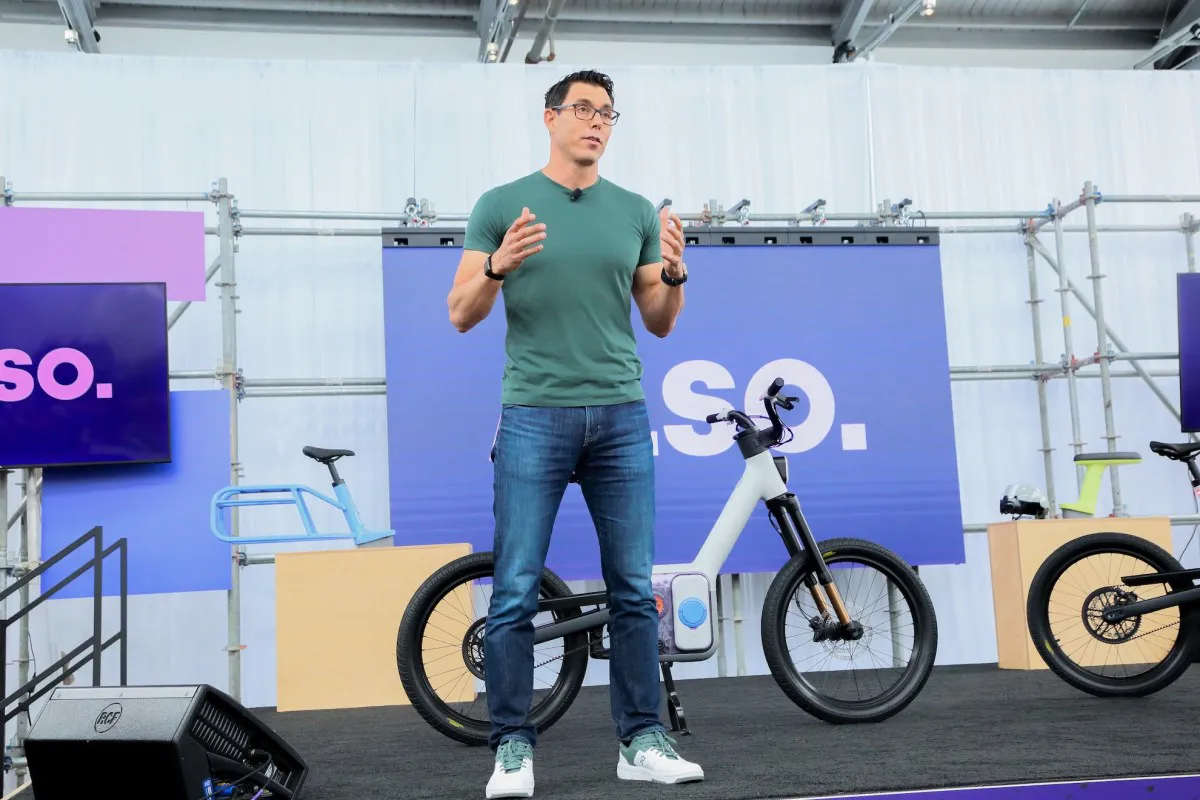
In an exciting development for e-mobility enthusiasts, Rivian spinoff Also is set to begin deliveries of its first electric bikes—the TM-B model—next week. This launch comes after a series of delays attributed to ongoing global supply chain challenges that have plagued the automotive and consumer electronics industries. As the market for electric bikes continues to expand, Also aims to carve out its niche while also hinting at ambitious future projects.
The TM-B, which carries a price tag of $4,500, is the result of a multifaceted design and engineering process initiated under Rivian, the well-known electric vehicle manufacturer. The company initially envisioned the e-bike as a companion product to its line of electric vehicles, capitalizing on the growing trend of outdoor and recreational activities that benefit from sustainable transportation options.
Background of Also and the TM-B E-Bike
Founded in 2022 as a skunkworks project within Rivian, Also quickly gained traction due to the vision of CEO RJ Scaringe, who saw an opportunity to blend outdoor adventure with electric mobility. After spending years refining the concept, Also was officially spun out as an independent entity in March 2025, with a substantial initial investment of $105 million from Eclipse Ventures. The e-bike was first unveiled to the public in October 2025, sparking interest among consumers and outdoor enthusiasts alike.
Originally slated for a spring 2026 release, the TM-B faced significant delays due to an unexpected surge in global demand for electronic components and raw materials. These issues have resulted in a ripple effect throughout the supply chain, affecting not just Also, but many manufacturers in the tech and automotive sectors.
Supply Chain Challenges and Their Impact
The delays in the TM-B's launch illustrate the broader issues facing the global supply chain, particularly in industries reliant on semiconductor chips and other electronic components. The COVID-19 pandemic exacerbated existing vulnerabilities, causing disruptions that continue to affect multiple sectors.
In the case of Also, the company faced challenges in sourcing crucial components that are integral to the e-bike's performance and safety. In a statement addressing the delays, Also mentioned that their engineering and production teams were working diligently to overcome these hurdles without compromising on quality or safety standards. However, they refrained from providing specific details on which components were responsible for the delays.
Consumer Response and Expectations
The response from potential customers has been mixed, with many expressing frustration over the delays and lack of communication. Discussions on platforms such as Reddit's r/ALSOmicromobility have revealed a growing impatience among consumers, with some opting to cancel their reservations due to repeated missed deadlines. This situation underscores the critical importance of transparency and communication in maintaining customer trust, particularly for a brand that is still in its nascent stages.
As Also gears up for the upcoming deliveries, it remains crucial for the company to address customer concerns proactively. Ensuring that consumers have a clear understanding of their order status and delivery timelines could mitigate dissatisfaction and help build a loyal customer base.

Beyond E-Bikes: Also's Future Plans
While delivering the TM-B is a significant milestone, Also has ambitious plans that extend beyond e-bikes. The startup identifies itself primarily as a “vehicle” company, with aspirations to develop a range of innovative products, including:
- Four-Wheel Pedal-Assist Cargo Vehicles: Designed for companies like Amazon, these vehicles promise to enhance last-mile delivery efficiency.
- Autonomous Delivery Vehicles: Also is currently working on a project for DoorDash, which aims to leverage automation for food delivery services.
- Additional E-Bike Models: With the launch of the TM-B, Also may explore other e-bike models tailored for different markets and consumer needs.
These initiatives highlight Also's commitment to expanding its footprint in the electric mobility landscape, tapping into growing trends in sustainable and efficient transportation solutions.
Key Takeaways
- Also is launching its TM-B e-bike after significant delays due to supply chain issues.
- The bike is priced at $4,500 and deliveries are expected to commence soon.
- Consumer frustration has risen due to lack of communication regarding delays.
- Also plans to develop additional vehicles, including cargo and autonomous delivery models.
Frequently Asked Questions
What caused the delays in the delivery of Also's e-bikes?
The delays in the delivery of the TM-B e-bike can largely be attributed to ongoing global supply chain issues. A significant spike in demand for raw materials and electronic components has impacted the availability of key parts necessary for the production of the e-bike, causing the company to push back its initial delivery timeline.
How does Also plan to communicate with customers regarding their orders?
While specific strategies have not been disclosed, it is essential for Also to enhance its communication efforts with customers, particularly in light of recent frustrations. This may involve regular updates on order status, transparent timelines, and a responsive customer service framework to address inquiries and concerns.
What other products is Also working on besides e-bikes?
In addition to the TM-B e-bike, Also is focusing on a range of innovative transportation solutions, including four-wheel pedal-assist cargo vehicles aimed at improving last-mile delivery for companies like Amazon, as well as autonomous delivery vehicles in partnership with DoorDash. These efforts reflect the company's ambition to diversify its product offerings in the electric mobility market.
Comments
Model Context Protocol's Stateless Update: A Game Changer for Enterprises
The Model Context Protocol (MCP) has undergone a significant transformation, introducing a stateless core that promises to enhance its scalability and adoption in enterprise environments. This article explores the implications of this update, the broader context of its development, and what it means for businesses leveraging AI technologies.

Related articles
Popular in Developer Tools
- Why Greylock Partners Caps Fund Size in a Growing Industry
- Roblox Unleashes AI-Powered Game Creation for Mobile Users
- DeepSeek Launches Open Source Alternative to Claude Code, Ups API Pricing
- Cursor Launches Origin: A New Challenger to GitHub's Dominance
- Apple's Camera-Equipped AirPods: Innovation or Invasion?