Framework Laptop 13 Pro Review: A Leap in Design, A Jump in Price
The Framework Laptop 13 Pro marks a significant evolution in the modular laptop market, boasting improved battery life and a sleek design, but with a hefty price tag that raises questions about its value.
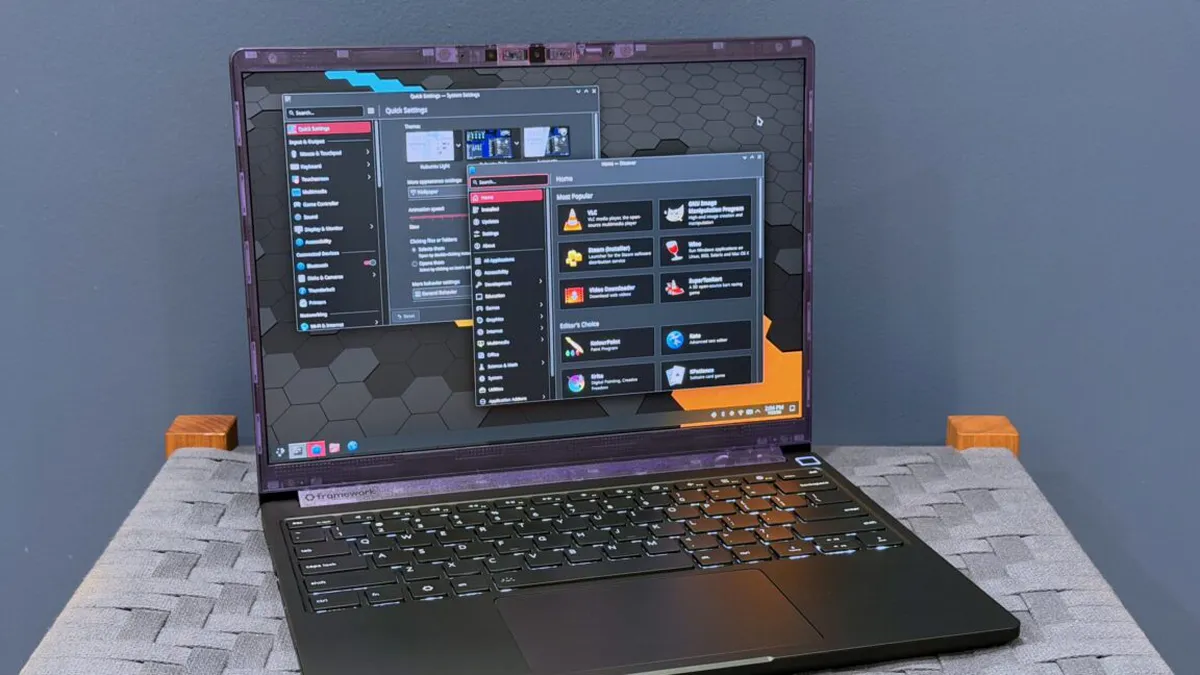
The Framework Laptop 13 Pro has arrived, and with it comes a wave of excitement for enthusiasts of modular technology. This latest iteration builds upon its predecessor, the original Framework Laptop 13, by offering substantial improvements in battery life and overall design aesthetics. However, this evolution comes with a significant increase in price, prompting potential buyers to question whether the enhancements are worth the cost. In an era when consumer technology is becoming increasingly expensive, the Framework Laptop 13 Pro stands out, not just for its features but also for the philosophical implications of modular design in computing.
The original Framework Laptop 13 was already a beloved choice among tech aficionados due to its repairable and upgradeable features, challenging the notion of disposable technology. Now, the Framework Laptop 13 Pro is poised to attract both loyal fans and new customers, but does it truly deliver on its promises? Let's unravel the enhancements and challenges that come with this new model.
Design and Build Quality: An Aesthetic Upgrade
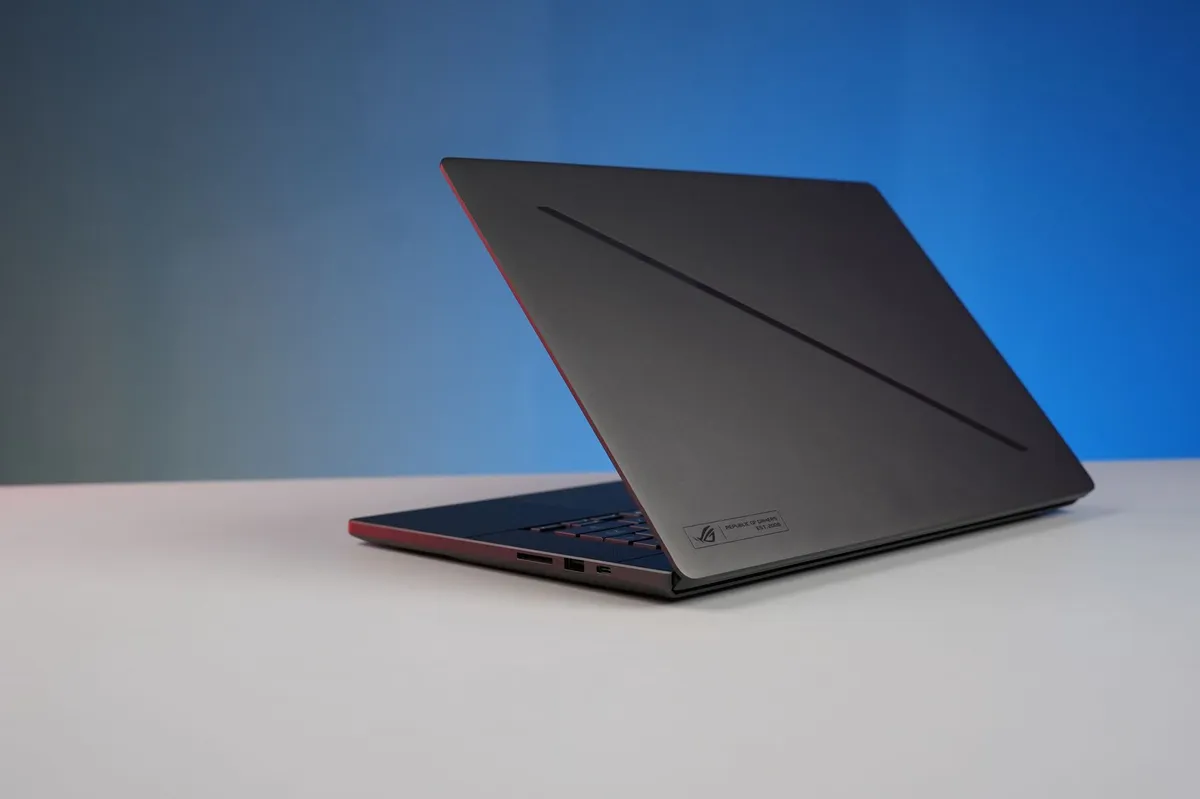
At first glance, the Framework Laptop 13 Pro retains the sleek silhouette of its predecessor while introducing a fresh “Graphite” finish that exudes sophistication. This anodized dark gray finish not only enhances its appearance but also elevates its tactile experience. Framework claims that the Laptop 13 Pro is the first model fully machined from extruded blocks of 6063 aluminum, resulting in a sturdier and more premium feel compared to previous versions.
Key Design Features
- Graphite Finish: A more modern aesthetic that resists fingerprints.
- Enhanced Build Quality: Made from fully machined aluminum for added durability.
- Larger Battery: Increased from 61 WHr to 74 WHr for extended usage.
- Improved Trackpad: Transitioned to a haptic feedback mechanism similar to that of Apple’s laptops.
The revamped bottom case of the Laptop 13 Pro allows for a larger battery, which is a critical improvement for users who depend on longer battery life for productivity. The previous model's battery life was often a subject of criticism, and this change aims to rectify that issue substantially.

Performance: A Mixed Bag
Performance-wise, the Laptop 13 Pro is marketed as the “MacBook Pro for Linux users,” and it delivers on that front by offering Ubuntu 24.04 LTS pre-installed for the first time. While this appeals to the Linux community, the hardware itself remains largely unchanged, which raises questions about whether the performance metrics justify the price increase.
Benchmarking and Usability
During testing, the Laptop 13 Pro excelled in handling everyday tasks like web browsing, word processing, and media consumption. However, for more intensive workloads such as video editing or gaming, it may not outperform competitors in the same price range. The combination of its Core Ultra Series 3 chips and upgradable RAM provides flexibility, but buyers should assess their specific needs against the associated costs.
While many users will appreciate the ease of switching between operating systems, the lack of substantial performance upgrades in CPU or GPU capabilities may leave some feeling shortchanged. This could be particularly relevant for professionals relying on high-performance computing power.
Pricing: Is It Worth the Investment?
One of the most significant shifts with the Framework Laptop 13 Pro is its pricing structure. With models starting at $1,500 and going up to nearly $3,000 for fully loaded configurations, it reflects the rising costs of consumer tech in 2026. This steep pricing pushes the laptop into a competitive landscape where buyers have numerous options, including alternatives that may offer better performance for similar or lower prices.
Value Assessment
For tech enthusiasts who prioritize modularity and repairability, the Framework Laptop 13 Pro presents a compelling case. However, for the average consumer, the high price tag may not justify the incremental upgrades over the original model. Potential buyers should carefully consider their usage patterns and how much value they place on the modular features that Framework champions.
Software and Operating System Support
The Laptop 13 Pro’s compatibility with both Linux and Windows is a notable feature, catering to a diverse user base. Framework has made strides in providing BIOS updates directly through Linux Vendor Firmware Service (LVFS), making it easier for Linux users to maintain their systems without the hassle of switching to Windows for updates.
Operating System Flexibility
Framework officially supports major distributions like Ubuntu and Fedora, ensuring that users can run their preferred operating systems without issues. This is a significant improvement from earlier models, allowing for a seamless experience for users looking to utilize Linux.
However, while the Laptop 13 Pro does include enhanced support for Linux, it doesn’t significantly differ from its predecessor in this regard. The modular design and BIOS update capabilities have been a hallmark of the Framework brand since its inception.
Key Takeaways
- Improved Battery Life: The Laptop 13 Pro features a 74 WHr battery, a notable upgrade for users.
- Premium Design: A more robust build and sophisticated graphite finish enhance the overall look and feel.
- High Price Point: Starting at $1,500, the Laptop 13 Pro is positioned as a premium offering in a crowded market.
- Linux Compatibility: Offers pre-installed Ubuntu 24.04 LTS, catering to a growing user base.
Frequently Asked Questions
What is the main advantage of the Framework Laptop 13 Pro over its predecessor?
The primary advantage lies in the significant enhancements in battery life and build quality. The new model boasts a 74 WHr battery compared to the 61 WHr in previous versions, allowing for longer usage times, which is crucial for productivity. Additionally, the Pro features a more polished design with a graphite finish, appealing to users looking for aesthetics along with functionality.
Is the Framework Laptop 13 Pro suitable for gaming?
While the Laptop 13 Pro can handle casual gaming and some less demanding titles, it is not designed to compete with dedicated gaming laptops. Its performance is best suited for everyday tasks and professional applications rather than high-performance gaming, so potential buyers should consider this limitation when making their decision.
How does the modularity feature work in the Laptop 13 Pro?
The modularity feature allows users to easily upgrade components such as RAM, storage, and expansion ports. This design philosophy encourages users to repair their own devices rather than replace them, promoting sustainability. Framework provides detailed guides and resources for those looking to make upgrades, making it accessible for tech-savvy individuals.
Comments
Granola's New Apple Watch App: A Game Changer for Note-Taking
Granola launches a revolutionary Apple Watch app aimed at simplifying meeting note-taking and enhancing productivity. Discover how this innovation can transform your workflow.

Related articles
Popular in Developer Tools
- Why Greylock Partners Caps Fund Size in a Growing Industry
- Roblox Unleashes AI-Powered Game Creation for Mobile Users
- DeepSeek Launches Open Source Alternative to Claude Code, Ups API Pricing
- Cursor Launches Origin: A New Challenger to GitHub's Dominance
- Apple's Camera-Equipped AirPods: Innovation or Invasion?