Steam Deck Sales Plummet: A Deep Dive into Valve's Price Hike Fallout
Valve's Steam Deck experiences a staggering 80% drop in sales following a price increase. This article explores the implications of rising costs and market competition.
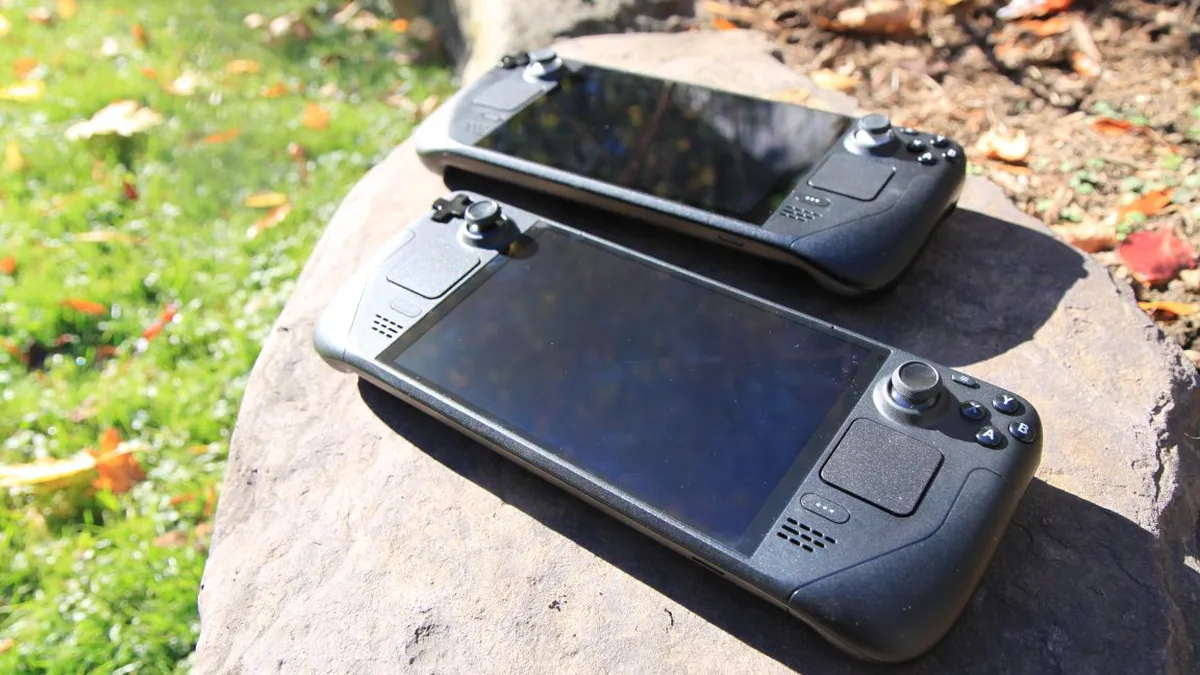
The gaming landscape has witnessed seismic shifts in recent years, not only in the technology we use but also in the pricing strategies employed by manufacturers. Valve's Steam Deck, a groundbreaking portable gaming device that has captivated the hearts of gamers since its 2022 launch, is now facing a significant downturn in sales. Following a recent price hike, sales of the Steam Deck have reportedly plummeted by a staggering 80%, leaving many to question the long-term viability of this unique gaming platform.
Once a consistent top-seller on Valve's revenue charts, the Steam Deck's decline in popularity has been stark. Data from the Linux-focused site Boiling Steam reveals that the handheld device, which was previously positioned at fifth place shortly after its relaunch in May, has now slipped to 14th place as of early July. This dramatic fall in sales not only raises concerns for Valve but also highlights the broader implications for the gaming hardware market.
Understanding the Price Increase
The Steam Deck's price hike has been a significant factor in its sales decline. Initially priced between $400 and $649, the new pricing ranges from $789 to $949. This increase is attributed to shortages in RAM and storage, which have driven up manufacturing costs. As a result, potential buyers are reassessing their options, particularly given the availability of competitive handheld gaming devices in the same price range.
Consequences of Price Sensitivity
Price sensitivity is a crucial component in the purchasing decisions of consumers, particularly in the gaming sector. The Steam Deck's steep price tag may now steer buyers towards alternative options that offer similar or superior performance, such as:
- ROG Ally: Known for its robust performance and features.
- Lenovo Legion Go: Offers a sleek design with competitive specifications.
- MSI Claw: A newcomer that promises high-quality gaming experiences.
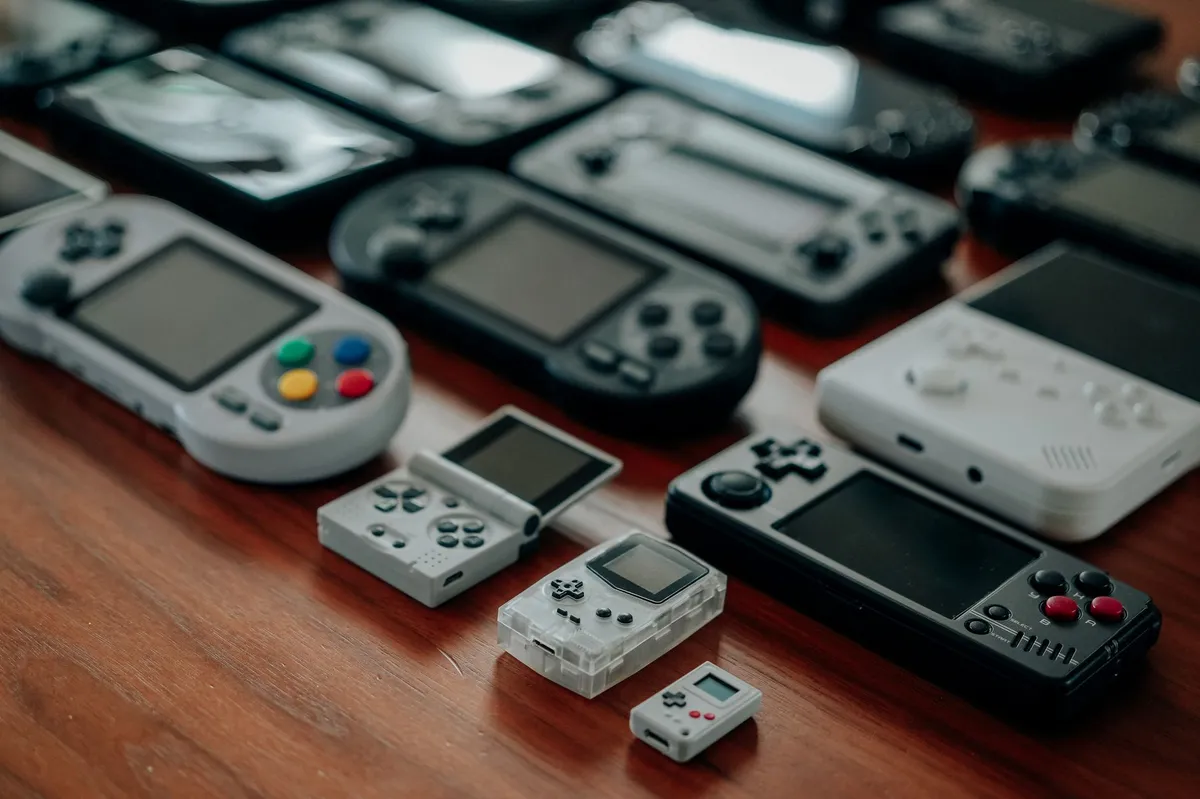
The shift in consumer interest towards these alternatives could spell trouble for Valve, especially as these competitors are also leveraging aggressive pricing strategies to capture market share. The competitive landscape is becoming increasingly fierce.
The Impact of Supply Chain Issues
While the price hike has undoubtedly dampened demand, it's worth considering the role of supply chain constraints in the Steam Deck's dwindling sales figures. Valve has acknowledged ongoing issues with intermittent shortages, which have affected stock levels in various regions. Although some reports indicate consistent availability since the price increase, the brief periods of unavailability could have created a perception of scarcity among potential buyers.
Supply Chain Challenges
Supply chain disruptions have been a pervasive issue across many industries, but the gaming hardware sector has been particularly hard-hit. Factors contributing to these challenges include:
- Global semiconductor shortages: A lingering impact from the pandemic.
- Logistical delays: Ongoing issues in shipping and transportation.
- Increased demand for gaming hardware: As more consumers turn to gaming during economic uncertainty.
The combination of a price hike and supply chain challenges has created a perfect storm for the Steam Deck, leading to its current sales predicament.

Market Analysis and Future Prospects
The implications of the Steam Deck's sales decline extend beyond Valve itself. The gaming hardware market is in a state of flux, with consumers increasingly demanding value for their money. As competition heats up, companies must adapt to changing consumer preferences and expectations. For Valve, the question now is: what’s next?
The Need for Innovation
In normal circumstances, a significant drop in sales might prompt a company to accelerate the development of its next-generation product. For the Steam Deck, this could mean the long-awaited Steam Deck 2. However, with component pricing remaining volatile, the financial feasibility of producing a more powerful handheld device at a competitive price point is uncertain. Consumers might be left wondering whether Valve can deliver a successor that meets their expectations without breaking the bank.
Exploring Alternatives
In light of the current situation, gamers may begin to explore other platforms and gaming options. The rise of cloud gaming services, for example, allows players to access high-quality gaming experiences without the need for expensive hardware. Platforms like Xbox Cloud Gaming or NVIDIA GeForce Now are increasingly attractive alternatives, particularly for consumers disillusioned by rising hardware costs.
Key Takeaways
- Steam Deck sales have fallen by approximately 80% due to a price hike.
- The new price range of $789 to $949 has deterred many potential buyers.
- Increased competition from devices like ROG Ally and Lenovo Legion Go is impacting sales.
- Supply chain issues continue to affect availability, further complicating the situation for Valve.
- Consumers are increasingly looking at alternatives, including cloud gaming services.
Frequently Asked Questions
What led to the Steam Deck's price increase?
The price increase for the Steam Deck is primarily due to shortages in RAM and storage, which have driven up manufacturing costs. As a result, Valve had to raise prices to maintain profitability.
How has the price hike affected consumer demand?
The price hike has led to a significant dip in consumer demand, with sales reportedly falling by around 80%. This decline suggests that many consumers are re-evaluating their purchasing decisions in light of the new pricing.
Are there any plans for a new version of the Steam Deck?
While there have been discussions around a potential Steam Deck 2, the current sales decline and component pricing challenges may delay the development and release of a new version.
What alternatives exist for consumers looking for portable gaming devices?
Some competitive alternatives to the Steam Deck include the ROG Ally, Lenovo Legion Go, and MSI Claw. Additionally, cloud gaming services are becoming increasingly popular as a cost-effective way to access high-quality gaming experiences without the need for expensive hardware.
Comments
Spider-Man: Brand New Day – A Fresh Start for the Iconic Hero
As Sony prepares for the release of 'Spider-Man: Brand New Day,' the franchise takes a bold step into a new chapter. This article explores the film's new direction, returning characters, and what fans can expect.

Related articles

Popular in Developer Tools
- Why Greylock Partners Caps Fund Size in a Growing Industry
- Roblox Unleashes AI-Powered Game Creation for Mobile Users
- DeepSeek Launches Open Source Alternative to Claude Code, Ups API Pricing
- Cursor Launches Origin: A New Challenger to GitHub's Dominance
- Apple's Camera-Equipped AirPods: Innovation or Invasion?