OnePlus Exits U.S. and European Markets: The End of an Era
OnePlus officially announces its withdrawal from the U.S. and European markets, marking a significant shift in its business strategy. The company will continue to support existing devices while focusing on growth in India and China.
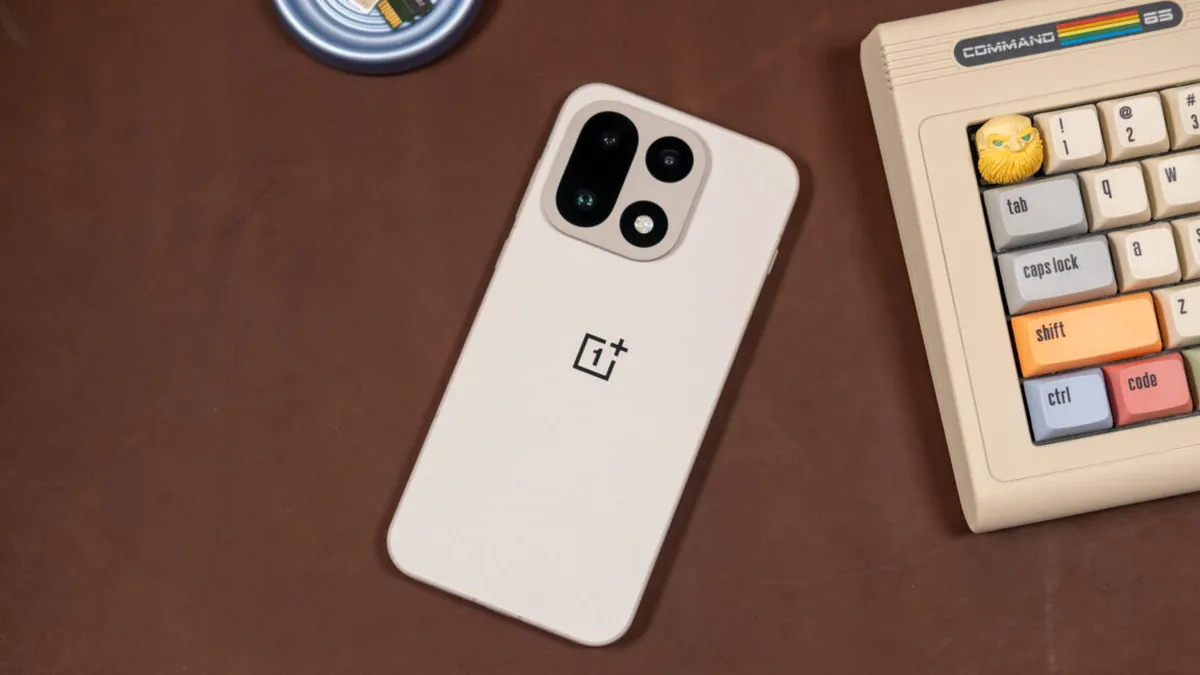
In a move that has been anticipated for months, OnePlus has officially announced its withdrawal from the U.S. and European smartphone markets. This decision marks a significant turning point for the brand that once captured the attention of tech enthusiasts with its bold marketing and value-driven products. The confirmation comes as OnePlus prepares to launch its final device in these regions, the OnePlus 15, which will serve as both a farewell to its loyal customers and a signal of the company's strategic pivot towards emerging markets.
Founded in 2014, OnePlus set out to disrupt the smartphone industry by offering high-performance devices at competitive prices. The company's meteoric rise was fueled by a combination of savvy marketing and a strong community of early adopters. However, the landscape has shifted dramatically over the past decade, and OnePlus now finds itself in a position where it must reevaluate its global strategy in the face of changing market dynamics.
Background: The Rise and Fall of OnePlus
OnePlus initially gained traction in the U.S. and Europe through strategic partnerships with major carriers like T-Mobile and Verizon. These collaborations allowed the brand to penetrate the market effectively, notably during the initial enthusiasm surrounding its flagship models. However, as the smartphone market matured, OnePlus began to encounter stiff competition from established players like Apple and Samsung.
Following the COVID-19 pandemic, OnePlus appeared to shift its focus towards India, where it has enjoyed substantial success. The brand's commitment to offering high-quality devices at accessible prices resonated well with Indian consumers, prompting a strategic realignment of resources and marketing efforts. This shift was further complicated by increasing control from its parent company, Oppo, which sought to streamline operations and unify branding.
The Official Announcement and Its Implications
On July 16, 2026, OnePlus confirmed its decision to end new product rollouts in North America and Europe. In an official statement, the company described this move as part of a “proactive global strategy adjustment.” While the announcement was carefully worded, the message was clear: OnePlus is no longer prioritizing the U.S. and European markets.
Despite this withdrawal, OnePlus assures its customers that it will continue to support existing devices, which may provide some relief for current users. However, an upcoming change in the software experience is on the horizon. The transition from OxygenOS, OnePlus's proprietary user interface, to Oppo's ColorOS with the upcoming Android 17 update signals a significant shift in the brand's identity. This change may not sit well with long-time fans who have grown accustomed to the unique features and aesthetic of OxygenOS.
The Smartphone Market Landscape Post-OnePlus
The implications of OnePlus's exit from the U.S. and European markets are far-reaching. With major Chinese manufacturers like Oppo and Xiaomi largely absent from the U.S. landscape, this move further solidifies Apple and Samsung's dominance. The absence of competitive pricing from other brands will likely leave consumers with fewer options and potentially higher prices.
In the U.S., the smartphone market has increasingly resembled a desert for consumers seeking variety. Regulatory hurdles and political tensions have deterred many Chinese brands from entering the market. ZTE and Huawei, for instance, faced significant challenges and have since retreated from the U.S. market altogether. This has created a near duopoly where Apple and Samsung can raise prices with minimal resistance.
Cost Pressures and Industry Trends
The smartphone industry is currently grappling with rising component costs, particularly due to increased demand for memory chips driven by burgeoning AI projects. The cost of RAM, for instance, now accounts for over a quarter of a flagship phone’s bill of materials. This reality has prompted companies to rethink their pricing strategies and product releases.
- Rising Component Costs: The price of essential components like DRAM and NAND flash continues to escalate, forcing brands to reconsider their pricing models.
- Market Consolidation: As smaller players exit the market, the landscape is increasingly dominated by a few major brands.
- Consumer Impact: Fewer options can lead to higher prices and reduced innovation as competition diminishes.
OnePlus is not alone in facing these challenges; other brands like Asus have also paused their smartphone efforts amid stagnant sales and rising costs. Meanwhile, established players like Samsung and Motorola have opted to increase prices to offset these pressures. Even Apple, which has managed to keep prices stable thus far, may soon face scrutiny from consumers if it decides to raise prices for its next lineup.

Looking Ahead: The Future of OnePlus
Although OnePlus will no longer launch new devices in North America and Europe, it remains committed to its existing customer base by providing ongoing software support. The company will primarily focus on the Indian and Chinese markets, where it has seen substantial growth and brand loyalty. However, rumors of a potential shutdown of its operations in India by 2027 have surfaced, raising questions about its long-term viability.
The smartphone landscape is evolving rapidly, and companies must adapt to survive. OnePlus's decision reflects a broader trend of consolidation and the challenges posed by external market pressures. As the industry continues to grapple with rising costs and supply chain issues, smaller brands may find it increasingly difficult to compete. For consumers, this transition may mean a narrowing of choices and an inevitable shift towards higher prices.
Key Takeaways
- OnePlus confirms it will cease smartphone releases in North America and Europe, focusing on India and China.
- The OnePlus 15 will be the last device available in these regions.
- Existing customers will continue to receive software support, albeit with a transition to Oppo's ColorOS.
- The market will increasingly be dominated by Apple and Samsung, limiting consumer choices.
- Rising component costs are forcing brands to reevaluate pricing strategies and product offerings.
Frequently Asked Questions
Why is OnePlus exiting the U.S. and European markets?
OnePlus's decision to withdraw from the U.S. and European markets is primarily driven by a shift in focus towards regions where it has experienced more success, particularly India and China. The company is also facing increased competition and rising costs, making it challenging to sustain its operations in markets where it has struggled to gain significant traction.
What will happen to existing OnePlus devices?
Current OnePlus device owners can rest assured that the company will continue to provide software support for their devices. However, users can expect a shift in the user experience as OnePlus transitions from its proprietary OxygenOS to Oppo’s ColorOS with the upcoming Android 17 update. This change may affect the features and aesthetic that users have come to love.
How does this affect consumers in the U.S.?
The exit of OnePlus from the U.S. market means fewer choices for consumers looking for affordable, high-quality smartphones. With major Chinese brands largely absent, Apple and Samsung will continue to dominate, potentially leading to higher prices and less competition in the market. Consumers may find themselves with limited options, forcing them to choose between pricier flagship models or less recognized brands.
What does the future hold for OnePlus?
While OnePlus will focus on its growth in India and China, there are concerns about its long-term stability. Rumors have emerged regarding a potential shutdown of its Indian operations by 2027. The company must navigate rising costs and competitive pressures as it adapts to the changing landscape of the smartphone industry. Its future will depend on its ability to innovate and maintain customer loyalty in key markets.
Comments
Popular in Developer Tools
- Why Greylock Partners Caps Fund Size in a Growing Industry
- Roblox Unleashes AI-Powered Game Creation for Mobile Users
- DeepSeek Launches Open Source Alternative to Claude Code, Ups API Pricing
- Cursor Launches Origin: A New Challenger to GitHub's Dominance
- Apple's Camera-Equipped AirPods: Innovation or Invasion?