Linus Torvalds Champions AI Tools Amid Controversy in Open Source
In a bold statement, Linux creator Linus Torvalds defends the use of AI coding tools in open-source projects, urging critics to either embrace innovation or fork the code. This article explores the implications of AI in software development and the divide it creates in the tech community.

The landscape of software development is evolving at a breakneck pace, particularly with the advent of artificial intelligence (AI) tools that promise to enhance productivity and streamline coding processes. However, this transformation is not without its controversies. Recently, Linus Torvalds, the creator of the Linux kernel, made headlines by firmly supporting the integration of AI tools in the development of Linux. His statement came amid a heated debate over the role of AI in open-source projects, where some advocates argue for a complete rejection of AI-generated contributions. Torvalds’ position is clear: embrace the tools or fork the project.
In a comprehensive post on the Linux kernel mailing list, Torvalds declared that “Linux is not one of those anti-AI projects,” emphasizing the utility of AI as a coding tool. His assertion has reignited discussions around the use of large language models (LLMs) in software development, which some developers view as a threat to the integrity and quality of code. This article delves into the intricacies of this debate, exploring both the pros and cons of AI in coding, the perspectives of key stakeholders, and what this means for the future of open-source development.

The Divide in the Open Source Community
The introduction of AI-powered coding tools has created a significant schism within the open-source community. On one side are proponents like Torvalds, who see these tools as vital for improving efficiency and code quality. On the other are critics who fear that reliance on AI could undermine the foundational principles of open-source software, including transparency and community-driven development.
At the heart of this divide is a recent discussion surrounding a tool called Sashiko, a code review system designed to utilize AI for identifying bugs. While proponents tout its ability to detect 53.6% of bugs that would typically be addressed by human coders, critics point out its propensity for generating false positives—reports of bugs that do not exist—estimated to fall within a 20% error rate. This raises questions about the reliability of AI-generated outputs and the potential for wasted effort by maintainers tasked with sorting through erroneous reports.
The Pragmatic Perspective of Torvalds
Torvalds’ stance on the issue is rooted in pragmatism rather than ideology. He argues that AI tools are merely new instruments at a developer's disposal, akin to compilers or debuggers, and that rejecting them out of hand is counterproductive. During his lengthy post, Torvalds stated, “We’re not forcing anybody to use [LLM tools], but I will very loudly ignore people who try to argue against other people from using it.” This highlights a critical aspect of the open-source ethos: the freedom for contributors to choose their tools without censorship.

Measuring Productivity: The AI Paradox
The efficacy of AI tools in enhancing productivity has become a topic of debate. A study by METR indicated that while open-source developers utilizing AI tools reported feeling 20% more productive, their actual productivity was 19% lower than their non-AI-using counterparts. However, a follow-up study suggested that developers have become increasingly adept at leveraging AI tools, indicating a potential uptick in productivity in 2026 compared to 2025.
This paradox raises an important question: Are AI tools genuinely enhancing productivity, or are developers simply adapting to a new workflow that includes AI? Torvalds suggests that the output produced by AI tools should be compared not just to ideal human performance but to the average performance of human developers, thus emphasizing that AI is not a panacea but a tool that can complement human skills.
Resistance in the Community
Not all members of the open-source community are as enthusiastic about AI as Torvalds. In May, a developer of the jqwik Java testing library took a drastic step by embedding a malicious prompt-injection instruction in the code. This was intended to disable any AI coding bots from executing their instructions, effectively safeguarding the integrity of the project from unwanted AI interference. Such actions highlight a growing fear among some developers that AI tools could lead to compromised code quality or security vulnerabilities.
Understanding the Risks and Rewards
The tension between innovation and tradition within open source reflects a broader technological dilemma: how to balance the adoption of new tools with the preservation of core values. AI tools present opportunities for increased efficiency, but they also bring risks, including dependency on potentially flawed outputs and the erosion of manual coding skills. As Torvalds aptly noted, “Anybody who points to the problems at AI had better be looking in the mirror and pointing at themselves at the same time,” suggesting that human error is also a significant factor in software development.

Navigating the Future of Open Source
As the debate continues, it is essential for the open-source community to navigate the future of coding with a balanced approach. Here are a few strategies that can help developers and organizations leverage AI while maintaining the integrity of their projects:
- Encourage Experimentation: Developers should be encouraged to experiment with AI tools in a controlled manner, assessing their utility and impact on productivity.
- Maintain Open Dialogues: Communities should foster discussions about the benefits and drawbacks of AI tools, ensuring that all voices are heard, whether pro- or anti-AI.
- Implement Quality Control Measures: Establishing guidelines for evaluating AI-generated code can help mitigate risks associated with false positives and erroneous outputs.
- Focus on Education: Training programs that emphasize both traditional coding skills and how to effectively use AI tools can prepare developers for a hybrid future.
Key Takeaways
- Linus Torvalds supports the integration of AI tools into the Linux kernel, urging critics to fork or walk away.
- The Sashiko tool can identify a significant percentage of bugs but also raises concerns about false positives.
- AI tools present a productivity paradox, with mixed results reported among users.
- Resistance within the community highlights fears about code integrity and security.
- A balanced approach to AI adoption in open source is crucial for future development.
Frequently Asked Questions
Why is Linus Torvalds supportive of AI tools in Linux development?
Torvalds believes that AI tools are valuable resources that can improve coding efficiency and quality. He emphasizes that rejecting these tools is counterproductive and that developers should have the freedom to choose their tools without coercion. His pragmatic approach focuses on the technical merits of AI rather than ideological opposition.
What are the concerns related to the use of AI in coding?
Concerns primarily revolve around the quality of AI-generated code, including the potential for false positives in bug detection and the risk of decreased human oversight. Critics argue that reliance on AI could lead to compromised code quality, security vulnerabilities, and an erosion of traditional coding skills.
How can the open-source community balance AI adoption with its core values?
The community can promote a balanced approach by encouraging experimentation with AI tools, maintaining open dialogues about their benefits and drawbacks, implementing quality control measures for AI-generated code, and focusing on education that combines traditional coding skills with AI tool utilization.
What is the future outlook for AI tools in software development?
The future of AI tools in software development appears to be one of integration rather than exclusion. As developers become more adept at using these tools, their productivity may increase, but it is essential to remain vigilant about the risks involved. The open-source community must adapt to these changes while preserving its foundational principles of collaboration and transparency.
Comments
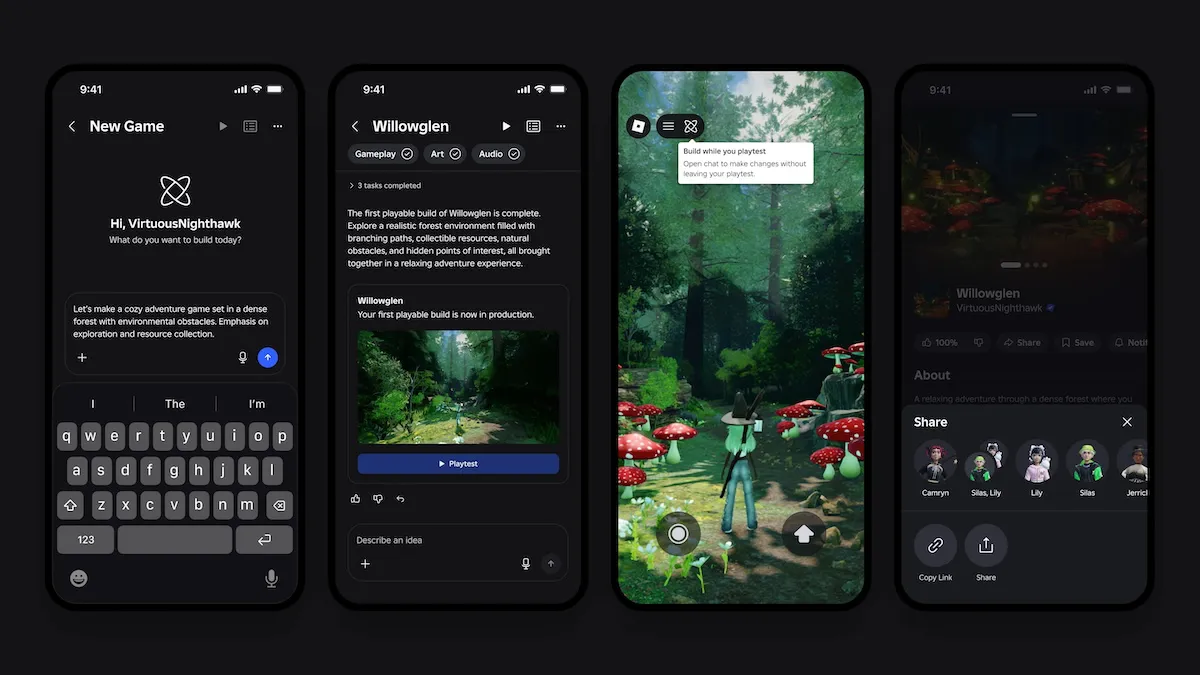
Roblox Unleashes AI-Powered Game Creation for Mobile Users
Roblox has introduced a groundbreaking AI-powered feature called 'Build' for mobile users, enabling anyone to create games using simple text prompts. This development raises both excitement and concerns within the gaming community.
Related articles
Popular in Developer Tools
- Why Greylock Partners Caps Fund Size in a Growing Industry
- Roblox Unleashes AI-Powered Game Creation for Mobile Users
- DeepSeek Launches Open Source Alternative to Claude Code, Ups API Pricing
- Cursor Launches Origin: A New Challenger to GitHub's Dominance
- Apple's Camera-Equipped AirPods: Innovation or Invasion?