OpenAI Enters Hardware Market with Codex Keyboard Amid Legal Challenges
OpenAI has launched the Codex Micro keyboard, a $230 device designed for users of its AI coding assistant, Codex. This release comes amidst a legal battle with Apple over trade secrets. Explore the implications of this innovative hardware venture.
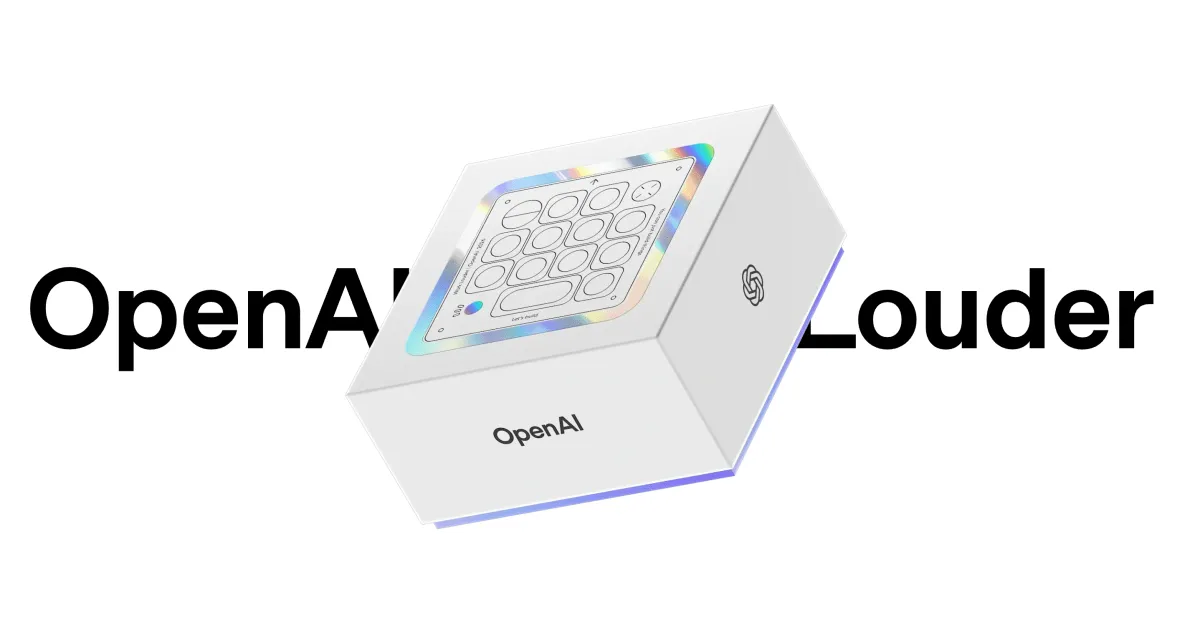
In a significant move that marks its debut in the hardware sector, OpenAI has unveiled the Codex Micro, a $230 keyboard specifically designed to enhance the interaction between users and its AI coding assistant, Codex. This release is not just another gadget; it represents OpenAI's ambition to integrate seamlessly into the daily workflows of developers and technologists who rely on artificial intelligence to streamline coding tasks. However, the excitement surrounding this launch is tempered by the backdrop of a legal battle with tech giant Apple, which recently accused OpenAI of trade secret theft.
The Codex Micro is co-designed with Work Louder, a firm known for its specialty keyboards, and is marketed as a sophisticated tool for managing AI coding agents, the semi-autonomous bots capable of writing and executing code with minimal human oversight. The keyboard features a series of light-up 'Agent Keys' that provide real-time status updates on these agents, customizable Command Keys for quick access to frequently used Codex functions, and even a joystick to facilitate common workflows. Furthermore, users can adjust the device's dial to control the 'reasoning' level of the agents, dictating how much computing power and time is allocated to specific tasks. This innovative approach not only enhances productivity but also offers a visually appealing addition to any tech workspace.

The Codex Micro: A Closer Look
OpenAI's Codex Micro is designed to be more than just a keyboard; it aims to be a command center for users managing fleets of AI agents. The following features stand out:
- Agent Keys: These illuminated keys provide users with instant feedback on the status of their coding agents, allowing for quick adjustments and oversight.
- Customizable Command Keys: Users can create shortcuts for frequently executed Codex commands, streamlining their workflow.
- Joysticks and Dials: The joystick facilitates the launch of common workflows, while the dial allows users to adjust the reasoning level of agents, balancing between efficiency and computational resources.
While the Codex Micro is undoubtedly a high-tech gadget, OpenAI has positioned it as a limited-run collaboration, indicating that it may not be intended for mass-market consumption. This could suggest that the keyboard is more of a novelty device aimed at enthusiasts rather than a product designed for widespread utility.

The Broader Context: OpenAI's Legal Troubles
As OpenAI forays into hardware, it does so under the looming shadow of litigation from Apple. The lawsuit, filed by Apple, alleges that OpenAI's leadership deliberately extracted confidential information from its former employees to develop its hardware, including the Codex Micro. Apple's claims underscore the competitive tensions within the tech industry, particularly as companies race to innovate in the AI and hardware spaces.
OpenAI has responded to these allegations by denying any wrongdoing, asserting that its innovations are a product of its own research and development efforts. This legal battle not only has implications for OpenAI’s reputation but also for its future in hardware development. If Apple’s claims are validated, it could lead to substantial penalties for OpenAI and potentially hinder its ability to create new products.

Implications for the AI and Hardware Markets
The introduction of the Codex Micro keyboard signifies a noteworthy trend: the convergence of AI and hardware. For years, software companies have been expanding into hardware, as seen with firms like Google and Amazon. OpenAI's move could herald a new wave of AI-driven hardware products, potentially transforming how developers interact with artificial intelligence.
As AI tools become increasingly sophisticated, the demand for specialized hardware that can facilitate their use is likely to grow. By offering a tactile interface that enhances the management of AI coding agents, OpenAI may set a precedent for future innovations in both AI and hardware design. The success of the Codex Micro could prompt competitors to develop similar products, further driving the market forward.
Key Takeaways
- OpenAI has launched the Codex Micro, a $230 keyboard designed for its AI coding assistant, Codex.
- The keyboard features innovative controls, including customizable Command Keys and a joystick for workflow management.
- OpenAI is currently embroiled in a legal battle with Apple, which accuses it of trade secret theft related to hardware development.
- This launch reflects a growing trend of integration between AI software and specialized hardware solutions.
- The outcome of OpenAI's legal troubles could significantly impact its future hardware initiatives.
Frequently Asked Questions
What is the Codex Micro keyboard, and how does it enhance coding with AI?
The Codex Micro keyboard is a specialized input device designed to interface with OpenAI's Codex, a coding assistant that utilizes AI to automate and assist in programming tasks. Its features, such as Agent Keys that display the status of AI coding agents and customizable Command Keys for quick access to frequent commands, are designed to streamline the coding process. This allows users to manage their coding tasks more efficiently and interactively, paving the way for a new paradigm in software development.
What are the legal allegations against OpenAI by Apple?
Apple has filed a lawsuit against OpenAI, claiming that the company engaged in a deliberate strategy to extract confidential information from Apple’s former employees. This information allegedly contributed to the development of OpenAI's hardware products, including the Codex Micro. The lawsuit highlights the intense competition within the tech industry, particularly as companies vie to establish their dominance in AI technology and hardware.
How might the Codex Micro impact the future of AI and hardware integration?
The Codex Micro represents a significant step towards the integration of AI and hardware, suggesting that as AI technologies become more advanced, there will be a corresponding need for specialized hardware to optimize their functionality. If successful, the Codex Micro could inspire other tech companies to develop similar products, fostering a new ecosystem where AI tools are complemented by tailored hardware solutions, thereby enhancing productivity and innovation in software development.
Is the Codex Micro keyboard suitable for everyday users, or is it targeted at enthusiasts?
While the Codex Micro keyboard is designed with innovative features that could appeal to a broad audience, OpenAI has positioned it as a limited-run collaboration, indicating it may be more of a novelty item than a mass-market product. As such, it seems to be targeted more towards enthusiasts and professionals who are deeply engaged with AI coding rather than everyday users looking for a simple keyboard solution.
Comments
Protests Erupt at Bethesda HQ Over Xbox Layoffs: A Call for Solidarity
Hundreds of employees and supporters rallied at Bethesda's headquarters to protest recent Xbox layoffs, demanding contract negotiations and an end to job cuts. The event highlighted the impact of layoffs on the gaming industry and the need for solidarity among workers.

Related articles

Popular in Developer Tools
- Why Greylock Partners Caps Fund Size in a Growing Industry
- Roblox Unleashes AI-Powered Game Creation for Mobile Users
- DeepSeek Launches Open Source Alternative to Claude Code, Ups API Pricing
- Cursor Launches Origin: A New Challenger to GitHub's Dominance
- Apple's Camera-Equipped AirPods: Innovation or Invasion?