Breaking Barriers: How Hackers are Bringing Doom to Neo Geo
Recent projects demonstrate that porting Doom to the Neo Geo is indeed possible, showcasing the ingenuity of dedicated hackers. Despite graphical compromises, these efforts highlight the potential of legacy hardware.
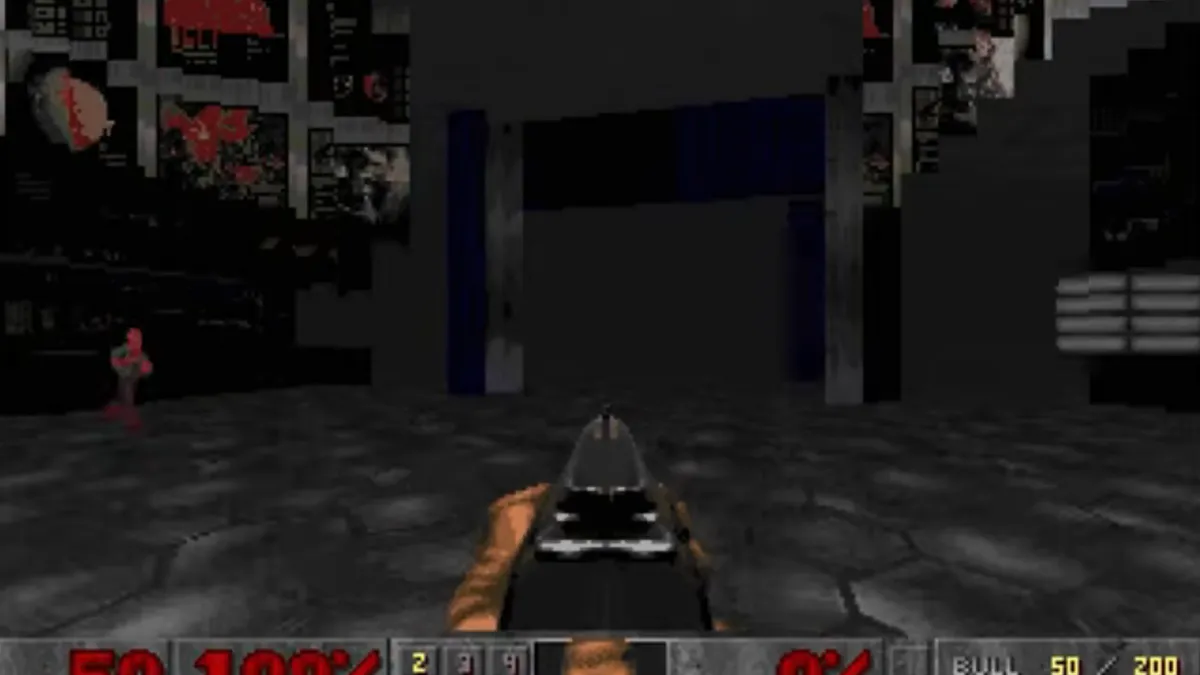
When it comes to the world of video games, the word "impossible" often sets the stage for innovation rather than discouragement. This has been vividly illustrated by the recent endeavors of a group of dedicated hackers who have successfully ported the iconic first-person shooter Doom to the Neo Geo console, a feat previously deemed unachievable due to the platform's limitations. With clever coding and creative compromises, these projects not only breathe new life into classic hardware but also take us on a nostalgic journey back to the golden age of gaming.
Last month, Modern Vintage Gamer (MVG) made headlines with a bold assertion that running Doom on Neo Geo was functionally impossible. He cited the console's sprite-based display technology and lack of a frame buffer as significant hurdles. However, the initiative sparked a challenge among the coding community, leading to the emergence of two promising projects: Doom64KB and Doom-NG. These projects not only demonstrate the impressive capabilities of determined developers but also remind us of the persistent spirit of innovation in the gaming world.

Understanding the Challenges: Neo Geo's Hardware Limitations
The Neo Geo, released in 1990, was renowned for its arcade-quality graphics and gameplay, but its hardware presents a unique set of challenges. At the heart of the Neo Geo's architecture is its use of sprite-based graphics, which are compiled images used to represent characters, objects, and backgrounds. Unlike modern consoles that utilize frame buffers to manage complex visuals, the Neo Geo lacks this capability, complicating the rendering of 3D environments like those found in Doom.
The Role of Frame Buffers
A frame buffer is a portion of RAM containing a bitmap that drives a video display. It holds the complete image data that appears on the screen at any given moment, allowing for smooth transitions and complex graphics. The absence of a frame buffer in the Neo Geo means the console cannot easily manage the depth and complexity of 3D graphics, making it seem like a daunting task to adapt a game like Doom, which was designed for more advanced systems.
Innovative Solutions: The Projects Unveiled
In light of these challenges, the teams behind Doom64KB and Doom-NG have crafted innovative solutions to adapt Doom for Neo Geo hardware. Both projects showcase the ingenuity of modern coders who refuse to accept the notion of impossibility.
Doom64KB: A Hybrid Approach
Led by coder FrenkelS, the Doom64KB project leverages a modified version of an earlier Doom port designed for 16-bit processors like the 8088 and 286. This version creates a makeshift frame buffer by using the Neo Geo’s fix layer, typically reserved for menus and HUD elements. By rendering the game to this fixed layer, Doom64KB achieves a smooth animation of Doom maps, albeit with significant graphical limitations.
For instance, the resolution is effectively reduced to 28×32 pixels with only 16 colors available, severely limiting the visual depth and effects like light diminishing as walls recede into the distance. However, this innovative approach allows players to experience a recognizable version of Doom, albeit with a distinct retro aesthetic.

Doom-NG: Advanced Geometry Rendering
On a different front, the Doom-NG project takes a more complex approach through its VSlice renderer. This method allows for a more accurate representation of Doom’s 3D environments by stepping through a Binary Space Partitioning (BSP) tree—a data structure used to manage the spatial representation of game worlds. With this technique, the renderer efficiently scales sprites into 16-pixel-wide strips, giving players a navigable perspective of the game.
While the results are impressive, they come with their own set of graphical limitations. The textures can appear repetitive, and the handling of angled surfaces creates noticeable “stairstep” edges that detract from the overall visual experience. Nevertheless, Doom-NG allows for free navigation within the game world at a relatively high frame rate, a feat that was once thought impossible for the Neo Geo.
Future Prospects: What Lies Ahead
Both Doom64KB and Doom-NG are still in their infancy, requiring further refinements before they can deliver a fully realized gaming experience. Key elements such as enemy logic, music, and weapon selection remain absent, but the progress made so far is a testament to the creativity and determination of the retro gaming community.
As these projects evolve, they may not only redefine what is possible on legacy hardware but also inspire future developers to tackle similarly ambitious challenges. The success of these projects demonstrates that the passion for classic gaming continues to thrive, fueled by the spirit of innovation and a refusal to accept limitations.
Key Takeaways
- Innovation over Impossibility: Hackers have successfully ported Doom to Neo Geo, defying previous assertions of impossibility.
- Creative Solutions: Both projects—Doom64KB and Doom-NG—utilize unique rendering techniques to adapt to hardware limitations.
- Graphical Compromises: While both ports are functional, they present significant graphical limitations compared to modern standards.
- Community Spirit: The success of these projects highlights the resilience and creativity within the retro gaming community.
- Future Potential: As development continues, these projects may pave the way for further advancements in porting classic games to legacy systems.
Frequently Asked Questions
What makes porting Doom to Neo Geo so challenging?
The main challenge in porting Doom to the Neo Geo lies in the console's hardware limitations. The Neo Geo uses sprite-based graphics without a frame buffer, complicating the rendering of complex 3D environments like those found in Doom. This lack of advanced graphical capabilities has historically made it seem impossible to adapt such a game to the Neo Geo.
How do the Doom64KB and Doom-NG projects differ?
Doom64KB uses a modified Doom engine that creates a makeshift frame buffer out of the Neo Geo's fix layer, allowing for relatively smooth animations but with significant graphical compromises. In contrast, Doom-NG employs a more advanced VSlice renderer that steps through a BSP tree for more complex geometry, allowing for a navigable version of Doom, albeit with its own visual limitations.
Are these projects ready for public release?
Both projects are still in early development stages and lack key gameplay elements like enemy logic and music. While they have made significant progress, further refinements are needed before they can be released to the public as fully functional games.
What does the success of these projects mean for retro gaming?
The success of these projects showcases the creativity and determination within the retro gaming community. It demonstrates that limitations can be overcome through innovation, inspiring future developers to tackle similar challenges and potentially leading to more classic games being adapted for legacy hardware.
Comments
Pinwheel Revives Landline Experience for Kids with Modern Twist
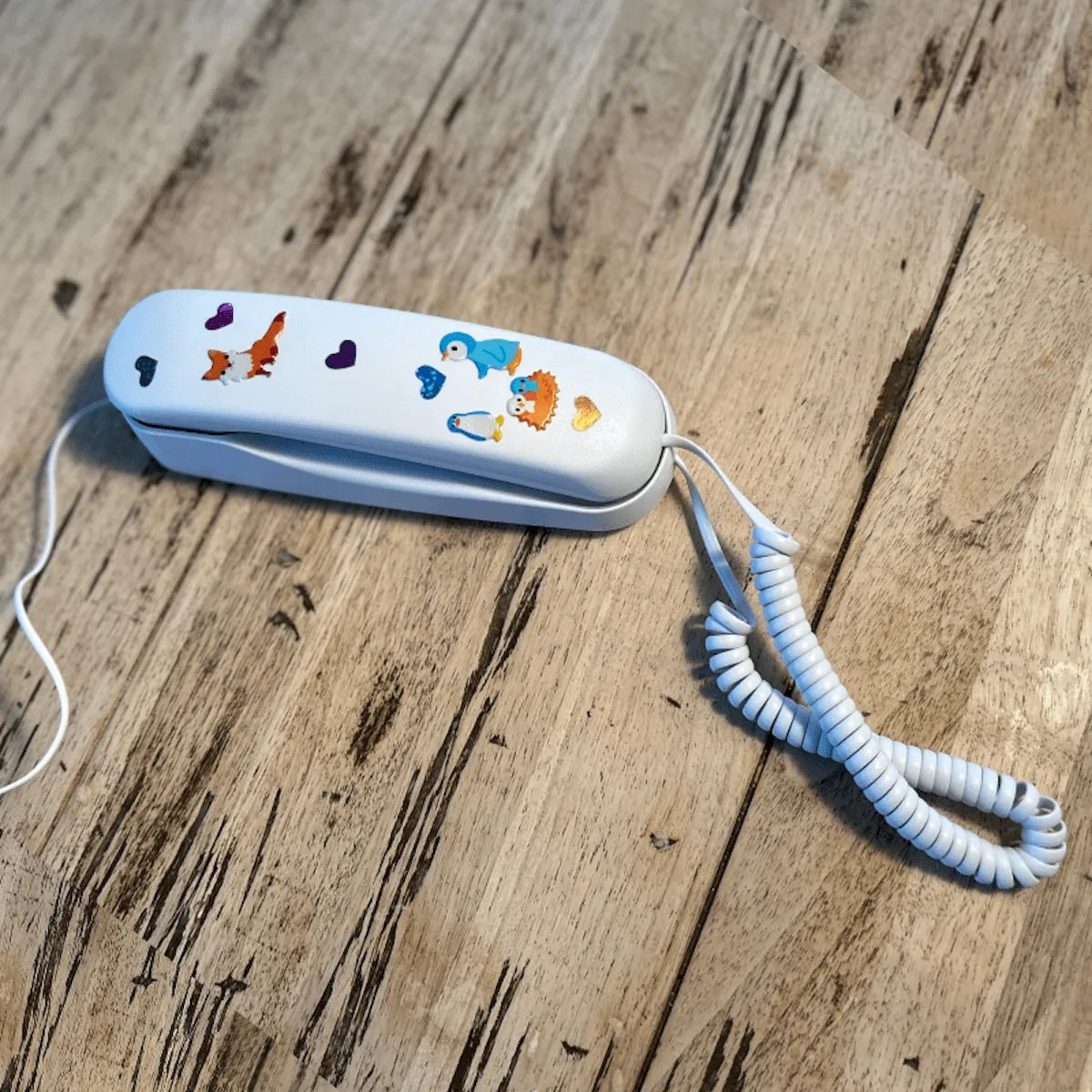
Pinwheel has launched a new retro-inspired landline phone designed specifically for children aged 5 to 10, promoting meaningful communication without the distractions of smartphones.
Related articles
Popular in Developer Tools
- Why Greylock Partners Caps Fund Size in a Growing Industry
- Roblox Unleashes AI-Powered Game Creation for Mobile Users
- DeepSeek Launches Open Source Alternative to Claude Code, Ups API Pricing
- Cursor Launches Origin: A New Challenger to GitHub's Dominance
- Apple's Camera-Equipped AirPods: Innovation or Invasion?