The Rise of Smart Glasses: Even Realities G2 and the Future of Productivity
Even Realities has launched its G2 smart glasses, focusing on productivity without the distraction of cameras. This article explores their features, potential applications, and market implications as smart glasses evolve.
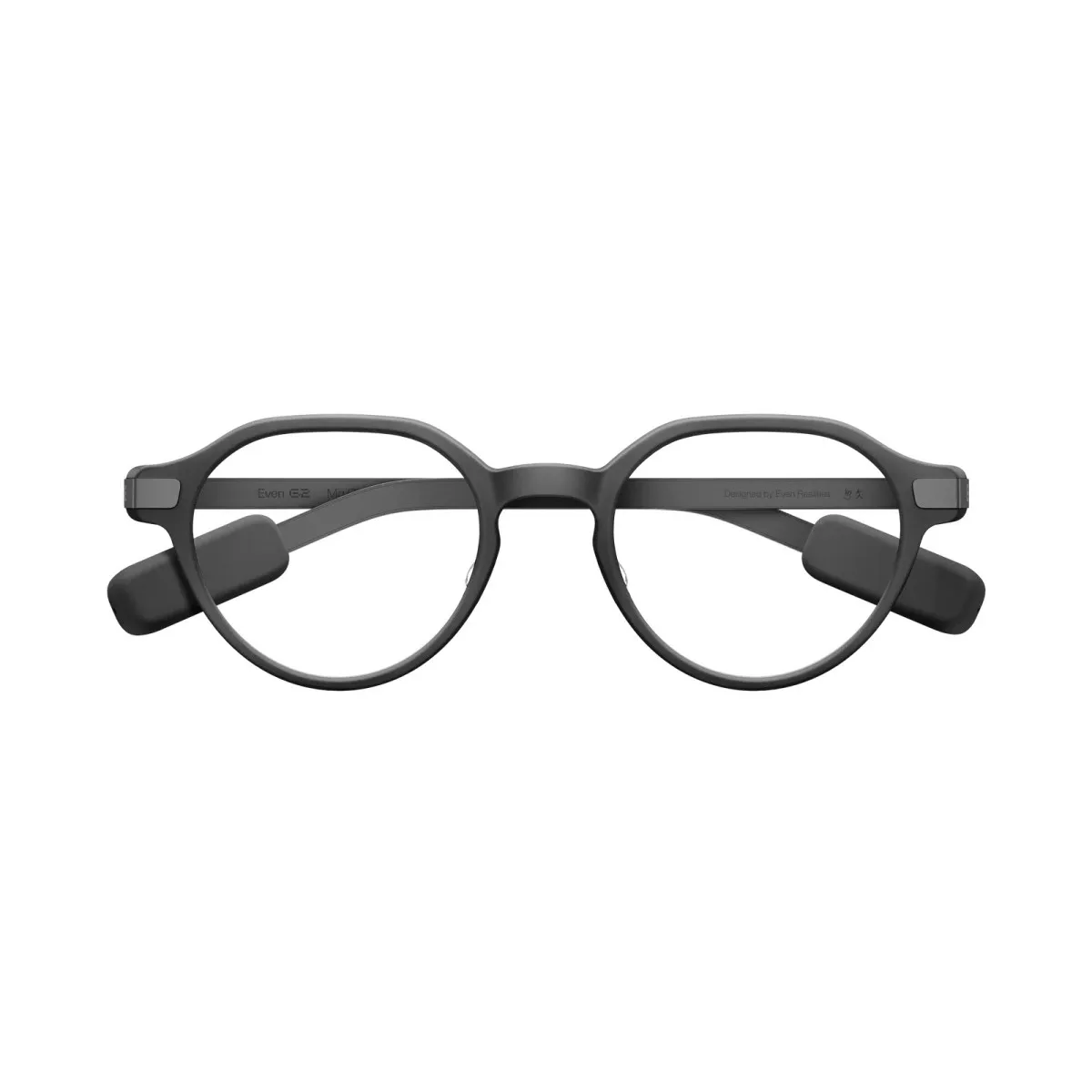
The tech landscape is rapidly evolving, with smart glasses emerging as a contender for the next major consumer interface. While many companies, including giants like Meta and Snap, are racing to integrate cameras and immersive displays into their eyewear, Even Realities is taking a markedly different approach with its latest offering, the G2 smart glasses. These innovative glasses prioritize productivity over aesthetics, ensuring that users can enjoy a hands-free experience without the ethical concerns associated with recording devices. This article delves into the features of the G2, its target audience, and the implications for the smart glasses market.
Redefining Smart Glasses: The G2's Unique Design
Even Realities has positioned its G2 smart glasses as a tool for professionals, featuring a striking monochrome heads-up display that projects information in vibrant green text. Unlike many competitors that prioritize image capture, the G2 is devoid of cameras and speakers, reflecting the company's commitment to creating a non-intrusive device. This design decision fosters an environment where users can focus on their tasks without worrying about privacy concerns from those around them.

Enhanced Features Over the G1
The G2 represents a significant upgrade over its predecessor, the G1. Key enhancements include:
- Brighter Display: The G2 boasts a 1,200-nit display, up from 1,000 nits on the G1, improving visibility in various lighting conditions.
- Improved Audio Input: With four microphones compared to two on the G1, the G2 captures audio more effectively, essential for voice commands and interactions.
- Larger Display Area: The increase of 75% in display area allows users to view more information at a glance.
- Smoother Refresh Rate: The upgrade to a 60Hz refresh rate ensures that information appears fluidly, enhancing the user experience.
Target Audience: Professionals on the Go
The G2 is designed with a specific audience in mind: professionals who frequently find themselves in meetings, presentations, or international environments where language barriers exist. Weighing only 35 grams, the glasses are lightweight and comfortable enough for extended wear. Their durable magnesium and titanium alloy frame adds to the overall appeal, making them suitable for daily use.
Battery Life and Portability
Even Realities claims that the G2 can last up to two days on a single charge under typical usage. The accompanying protective case can recharge the glasses up to seven times before needing to be plugged in, although the case is bulky and not pocket-friendly. This design choice raises questions about the practicality of portability, as users may find it inconvenient to carry around.
Smart Features Designed for Productivity
The functionality of the G2 extends beyond simple notifications. The glasses serve as a digital assistant, allowing users to stay organized and informed. Key features include:
- Real-Time Notifications: Users can receive phone notifications directly on their glasses, although the reliability of this feature has been noted as inconsistent.
- Translate Function: This feature enables real-time language translation during conversations, which can be a game changer for international professionals.
- Navigation: Turn-by-turn directions can be displayed, although users must rely on the Even Realities app rather than popular mapping services.
- Conversate: This feature allows for live transcription of conversations, with the addition of contextually relevant notes and definitions.

Limitations and Challenges
Despite its innovative design, the G2 faces challenges that may hinder its adoption. The heavy reliance on a smartphone app for many functions can lead to connectivity issues, which were prevalent in early versions of the device. Although improvements have been made, the experience is not yet seamless. Additionally, the absence of built-in mapping integration with Google or Apple Maps could restrict its usability for navigation on-the-go.
The Even R1: A Companion Device
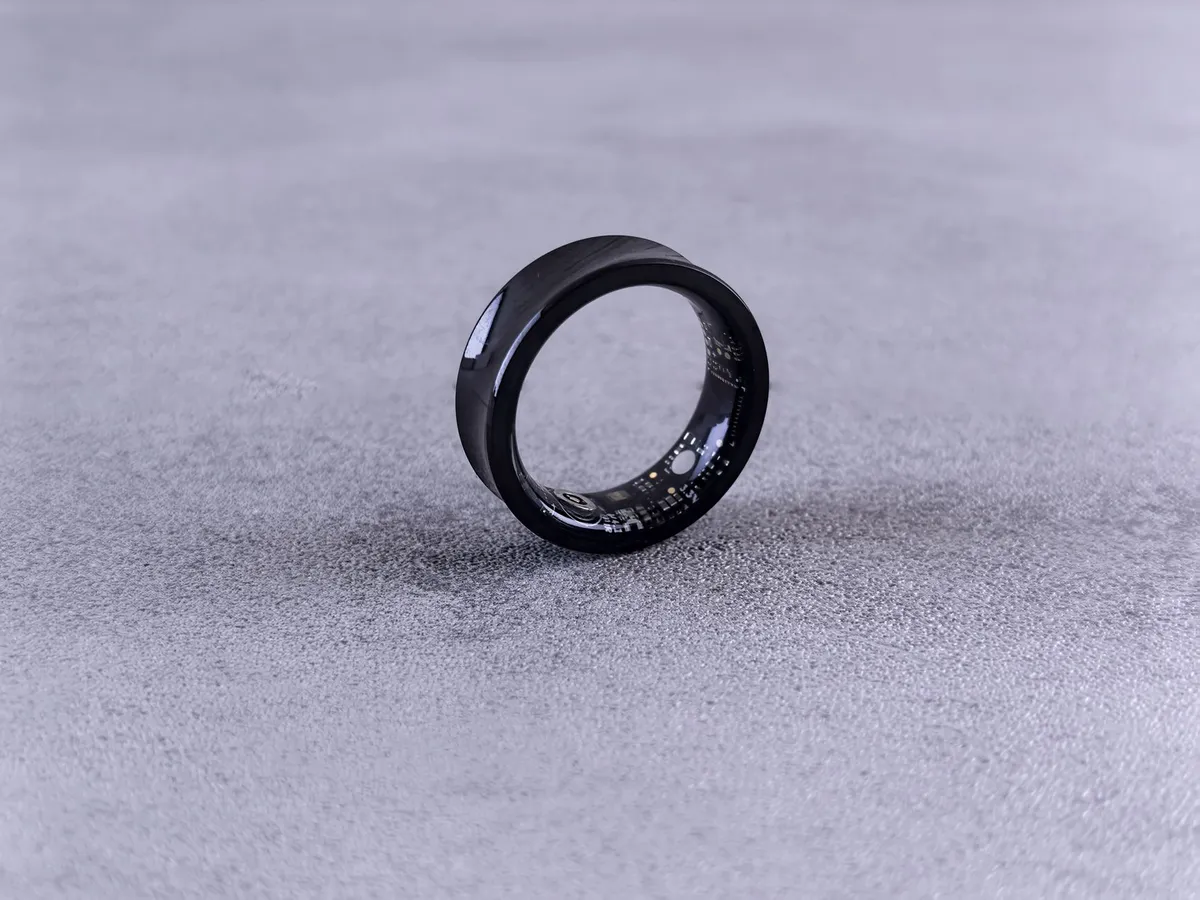
Alongside the G2, Even Realities introduced the R1 smart ring, which aims to control the glasses through touch. While the R1 includes health tracking features such as heart rate and sleep monitoring, its high price tag of $249 raises questions about its value proposition. For users already equipped with fitness devices, the added functionality may not justify the investment.
Market Landscape and Future Potential
As the smart glasses market continues to grow, the competition is fierce. Companies like Meta and Snap are already releasing models with built-in cameras designed for social media integration. In contrast, Even Realities is banking on the idea that a productivity-focused design without cameras will resonate with a different segment of the market.
However, the true potential of the G2 will depend on the development of robust first-party applications that enhance its utility. Currently, third-party apps have not provided compelling reasons for users to engage with the glasses on a regular basis, which is essential for long-term success. The company has reached unicorn status, but its future hinges on building a sustainable ecosystem around the G2.
Key Takeaways
- The Even Realities G2 smart glasses prioritize productivity without cameras, targeting professionals in various environments.
- With significant upgrades over the G1, the G2 offers a brighter display, improved audio input, and a larger viewing area.
- The glasses function as a digital assistant, providing features like real-time notifications, language translation, and navigation.
- The R1 smart ring, while innovative, may not be necessary for all users due to its high price and overlapping functionality with the glasses.
- The success of the G2 depends on the development of first-party applications to enhance user engagement.
Frequently Asked Questions
What makes the G2 different from other smart glasses?
The G2 distinguishes itself by lacking cameras and speakers, emphasizing a productivity-focused design instead. This choice alleviates privacy concerns for those around the user, making it more suitable for professional environments. Its monochrome display and range of productivity features set it apart from competitors that prioritize social media integration.
How does the translation feature work?
The translation feature allows users to converse in different languages in real time. Users can set a target language, and the glasses will provide translations during conversations. However, it's important to note that the other party will not have access to what the user says unless they also use the app, potentially limiting its effectiveness.
Can I use the G2 for navigation?
Yes, the G2 can display turn-by-turn navigation instructions; however, users must rely on the Even Realities app rather than popular mapping services like Google Maps or Apple Maps. This limitation could affect its reliability for users unfamiliar with the area.
Is the R1 smart ring worth the investment?
The R1 smart ring offers touch control for the G2 and includes health tracking features. However, its price point may not justify the investment for users who already own fitness trackers. Additionally, the touch-sensitive controls on the glasses themselves may render the R1 redundant for many users.
Comments
Popular in Developer Tools
- Why Greylock Partners Caps Fund Size in a Growing Industry
- Roblox Unleashes AI-Powered Game Creation for Mobile Users
- DeepSeek Launches Open Source Alternative to Claude Code, Ups API Pricing
- Cursor Launches Origin: A New Challenger to GitHub's Dominance
- Apple's Camera-Equipped AirPods: Innovation or Invasion?