Motorola's Upcoming GrapheneOS Phones: Privacy Meets Premium Pricing
Motorola is set to launch a new line of flagship GrapheneOS phones in 2027, promising enhanced privacy features but at a premium price point. Understanding the implications for consumers and the market is crucial.
In an era where digital privacy is becoming increasingly paramount, Motorola is gearing up to make a significant splash in the smartphone market. The company recently announced plans to launch a new line of premium devices running GrapheneOS, a privacy-focused, Android-based operating system. Set to hit the shelves in 2027, these devices promise to be more secure than traditional Android phones, but they will come with a hefty price tag. As the tech landscape shifts towards prioritizing user privacy, understanding the implications of these developments is crucial for consumers and industry stakeholders alike.
The collaboration between Motorola and the developers of GrapheneOS represents a pivotal moment in the evolution of mobile technology. Previously, GrapheneOS has been closely associated with Google’s Pixel devices, which have been the only phones to meet its stringent hardware requirements. Now, with Motorola stepping into the fray, the question arises: what does this mean for privacy-conscious consumers and the smartphone market as a whole?

Understanding GrapheneOS: A Privacy-Centric Approach
GrapheneOS is an open-source operating system designed to maximize user privacy and security. Built on Android, it enhances the typical features of a smartphone with a variety of advanced protective measures. Among its standout features are:
- Enhanced Memory Protection: This shields sensitive information from unauthorized access.
- Granular Network Permissions: Users can customize app permissions to limit data access.
- Customizable App Sandboxing: Applications are isolated from one another, reducing the risk of malware spreading.
- Duress Code: A unique feature allowing users to wipe their phones during potentially dangerous situations, though it has raised legal and ethical questions in certain scenarios.
These features place GrapheneOS at the forefront of mobile security, appealing to activists, privacy advocates, and everyday users who desire greater control over their personal data.

Market Context: The Rise of Privacy-Focused Devices
The demand for privacy-centric devices is on the rise as consumers become more aware of surveillance and data exploitation. High-profile data breaches and the increasing prevalence of targeted advertisements have led to a growing skepticism towards traditional smartphone manufacturers. This shift has opened the door for devices that prioritize user security and data integrity.
Motorola's decision to introduce GrapheneOS devices aligns with this trend, but it also raises questions about pricing and accessibility. Current Pixel devices start at around $900, and the new Moto devices are expected to exceed this price point. The Pixel 11 Pro XL, for instance, retails for approximately $1,300. With Motorola's expected premium pricing, consumers should brace for devices that may cost well over $1,000.
The Technical Landscape: Qualcomm and Security Features
The technical requirements for GrapheneOS are stringent, primarily due to the need for robust hardware security features. Currently, Google’s Tensor chips are the only ones that meet these requirements, making Pixel devices the sole candidates for GrapheneOS support. However, Motorola aims to leverage Qualcomm’s high-end 8-series processors, known for their comparable security capabilities.
As the smartphone market evolves, only flagship devices equipped with these advanced processors will support GrapheneOS. This means that while Motorola does produce more affordable devices in its Moto G line, these models are unlikely to receive GrapheneOS support anytime soon. The developers of GrapheneOS have indicated that mid-range Qualcomm chips do not offer sufficient security features unless manufacturers invest more in their development.

Pricing Implications: A Premium Tag for Privacy
With the anticipated launch of Motorola’s GrapheneOS phones in 2027, consumers should prepare for a premium price tag. The ongoing increase in component costs, driven by advancements in AI and security features, will likely contribute to the high prices of these devices. The trend indicates that consumers may need to pay a premium for devices that offer enhanced privacy and security.
To put this into perspective, consider that the average price of flagship smartphones has been steadily climbing. As an example, if the new Moto devices are priced at $1,200, that represents a significant investment for consumers seeking privacy. This indicates a shift in consumer expectations: users are increasingly willing to invest in their security and privacy, even if it means paying more.
What This Means for Consumers
As the landscape evolves, consumers must consider the implications of investing in premium privacy devices. While the benefits of enhanced security are clear, the associated costs may deter some users. For businesses and professionals whose work involves sensitive information, however, the investment may be worthwhile.
Motorola has yet to confirm a release timeline for these devices, but GrapheneOS support is expected to be available at launch. Although the installation process may require some technical expertise, the project is developing user-friendly installation resources. As such, potential buyers should weigh their willingness to navigate these technical aspects against their need for privacy.

Key Takeaways
- Motorola's GrapheneOS phones are set to launch in 2027, likely priced higher than current Pixel models.
- The devices will focus on enhanced privacy and security features, catering to privacy-conscious consumers.
- Qualcomm's high-end processors will be necessary to meet GrapheneOS’s security requirements.
- Consumers should prepare for a significant investment in privacy, as these devices will come with a premium price tag.
- The installation process for GrapheneOS will require some technical expertise, but support resources will be provided.
Frequently Asked Questions
What is GrapheneOS and why is it important?
GrapheneOS is a privacy-focused operating system built on Android, designed to enhance user security through features like app sandboxing and granular network permissions. Its importance lies in its ability to offer a more secure mobile experience, particularly for those concerned about data privacy and potential breaches.
Why are the new Motorola phones expected to be so expensive?
The anticipated high price of Motorola’s GrapheneOS phones stems from their expected use of premium hardware, particularly Qualcomm's high-end 8-series processors, combined with the rising costs of advanced technology and features designed to enhance privacy and security.
Who will benefit from these devices?
Consumers who prioritize privacy and security will find these devices particularly beneficial, including activists, professionals handling sensitive information, and anyone concerned about data exploitation. However, the high price point may limit accessibility for the average consumer.
How will GrapheneOS be installed on Motorola devices?
While the installation process for GrapheneOS may require technical knowledge, the development team is expected to provide user-friendly installation resources similar to those available for Pixel devices. This will help facilitate the transition for users interested in utilizing the enhanced privacy features of Motorola's upcoming smartphones.
Comments
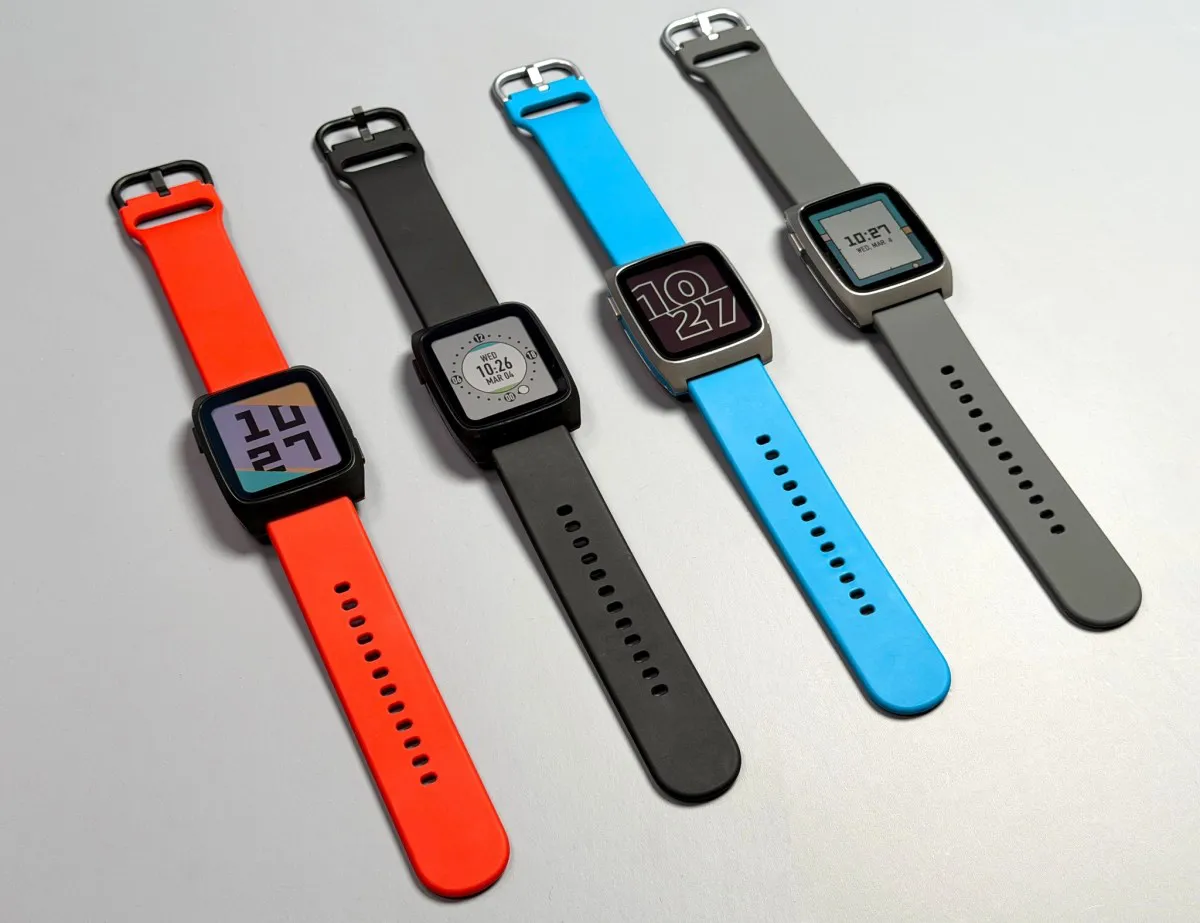
The Pebble Time 2: A Playful Refresh of a Beloved Smartwatch
The Pebble Time 2 smartwatch brings a playful spirit back to wearables with its quirky design, impressive battery life, and a robust community-driven app ecosystem. Explore how this fun device differentiates itself from mainstream competitors like the Apple Watch.
Related articles
Popular in Developer Tools
- Why Greylock Partners Caps Fund Size in a Growing Industry
- Roblox Unleashes AI-Powered Game Creation for Mobile Users
- DeepSeek Launches Open Source Alternative to Claude Code, Ups API Pricing
- Cursor Launches Origin: A New Challenger to GitHub's Dominance
- Apple's Camera-Equipped AirPods: Innovation or Invasion?