Slack Code: A New Era of Collaborative AI Coding in Software Development
Slack's latest feature, Slack Code, integrates AI coding agents into collaborative team environments, promising to enhance productivity and democratize software development. This innovative approach aims to shift coding from solitary tasks to group efforts, raising questions about quality and control.

In a significant move to modernize software development, Slack has unveiled Slack Code, a groundbreaking feature that integrates AI coding agents directly into its messaging platform. This innovative approach aims to revolutionize the way teams collaborate on coding projects by transforming coding from a solitary endeavor into a shared, interactive experience. By making AI coding agents accessible within dedicated Slack channels, Slack Code seeks to enhance productivity and democratize software development, allowing everyone from developers to product managers to contribute meaningfully to the coding process.
This shift comes at a crucial time for Slack's parent company, Salesforce, as it seeks to solidify its position in the competitive landscape of enterprise software. As AI coding tools gain traction, the question remains: can Slack leverage its vast communication network to redefine how software is built and maintained?
The Evolution of AI Coding: From Individual to Collaborative
Traditionally, the use of AI coding agents has been an individual experience, with developers interacting with these tools in isolation—often in terminal windows. This solitary approach can limit insights and creativity, as only one voice drives the coding process. Slack Code changes this dynamic by introducing a multiplayer model. When a coding agent is invoked in a conversation, it creates a project-specific code channel where team members can observe, guide, and participate in real time.
Rob Seaman, Slack's interim CEO, highlighted this shift during a recent press briefing, stating, "Code is no longer the bottleneck; ideas, taste, judgment, and craft are the new constraints." With Slack Code, the collaborative layer around coding agents becomes a central element of the software development lifecycle, allowing teams to harness diverse perspectives and skills.

How Slack Code Works: A Day in the Life of a Team
The functionality of Slack Code is designed to mimic a dynamic newsroom rather than a rigid programming environment. During a demonstration, Jeff Wang, president of new enterprise at Cognition, showcased how the coding agent Devin interacts with team members. For instance, when a broken feature is reported in an engineering channel, Devin acknowledges the issue, investigates it, and can even open a pull request—all visible to everyone in the dedicated code channel.
Real-Time Collaboration
This visibility is part of Slack's strategy to streamline the workflow. When a designer shares a Figma file in the middle of a coding task, Devin can integrate that input without interruption. The coding agent posts code changes along with screenshots and recorded demos to verify that the feature works as intended. Such features not only ensure accountability but also create a searchable audit trail that enhances future collaboration.
Cloud-Based Advantage
One of the significant advantages of Slack Code lies in its cloud-based nature, which allows for an auditable record of all actions taken by the AI agents. Unlike local agents that run on individual developers' laptops, cloud-based agents can efficiently scale and provide insights into the development process. Wang noted, "Scaling things, auditing things, giving it to everybody is much easier with these cloud agents than with local agents."
The Economic Shift in Software Development
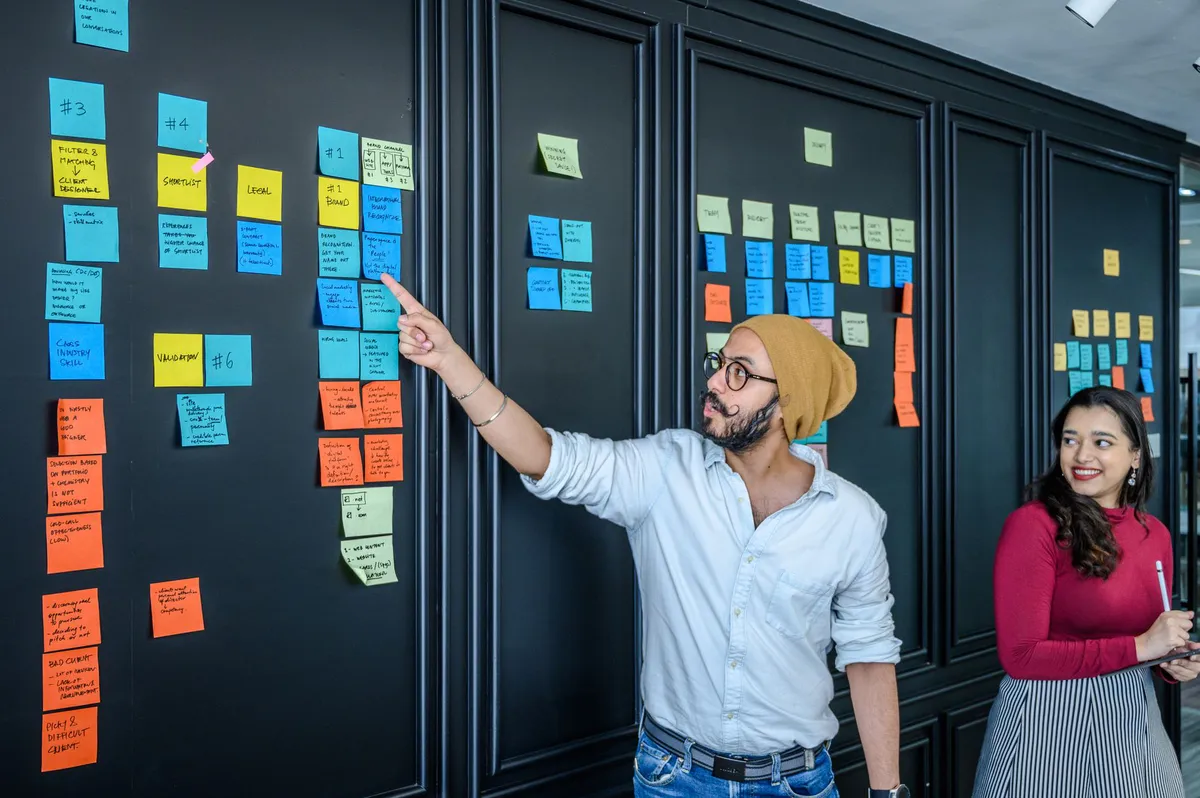
Slack's launch of Code is not merely about technology; it represents a fundamental shift in the economics of software development. As AI tools become more efficient at generating code, the traditional bottlenecks associated with writing code are diminishing. Instead, the focus shifts to human judgment and collaboration.
Cognition's internal metrics support this assertion, revealing that their internal merged pull request count has surged by tenfold, despite only a 40% increase in headcount. This dramatic increase illustrates how AI can facilitate greater output with fewer resources, enabling teams to tackle multiple projects simultaneously.
Key Factors in This Shift:- AI reduces the time spent on coding tasks.
- Human creativity and strategic planning become the new focal points.
- Cross-functional collaboration leads to innovative solutions.
Addressing Quality Concerns: The AI Slop Dilemma
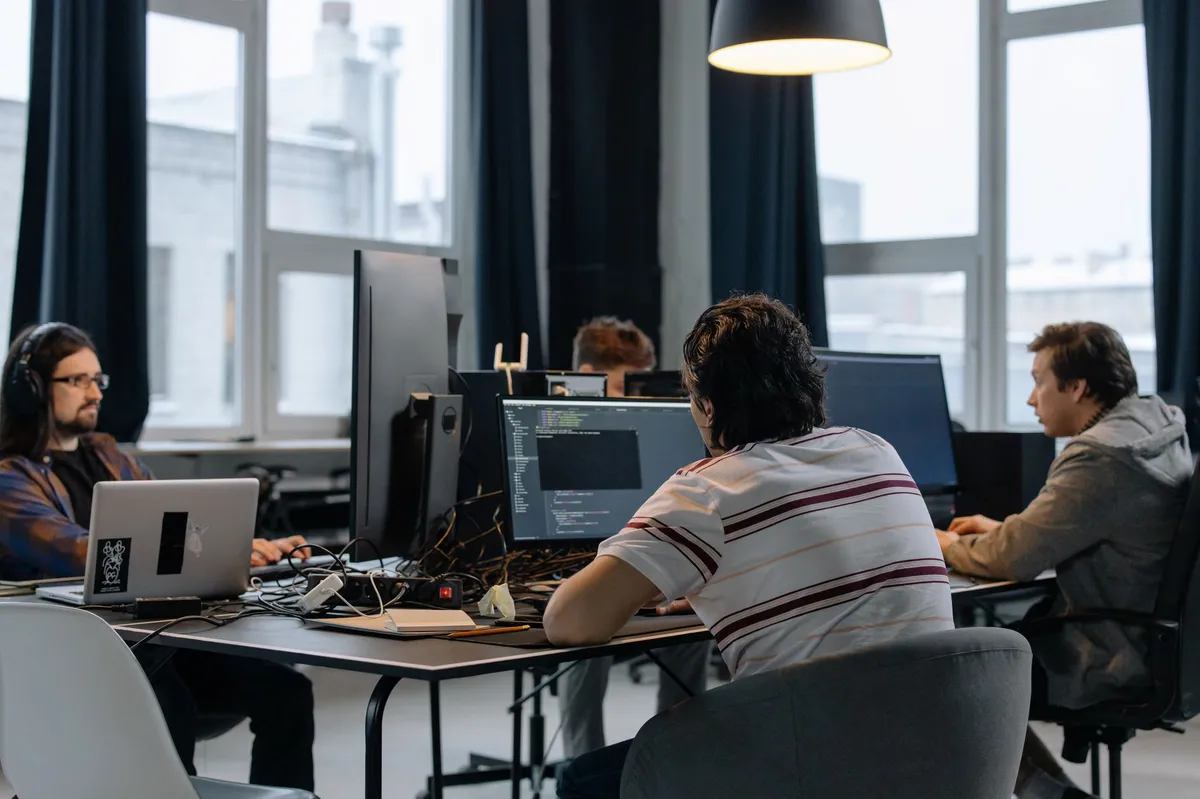
With the democratization of coding through AI, a pressing concern arises: how does Slack ensure quality control amid a potential influx of subpar output, often referred to as "AI slop?" Slack's executives argue that the multiplayer nature of code channels serves as a safeguard against this issue. With visibility into each other's work, team members can provide feedback and corrections, thus maintaining a higher standard of quality.
Katie Steigman, Slack's VP of product, emphasized this point by sharing her own experiences as a product manager. By tagging engineers in pull requests, she ensures that code gets reviewed and refined, leading to higher quality outputs. This collaborative oversight is designed to create a culture of accountability, where team members can contribute to and critique one another's work.
The Security Model: Protecting Sensitive Information
For enterprise organizations, security is a top priority, and Slack Code's design reflects this concern. A crucial feature of the platform is its permissions model, which ensures that agents operate under the same access controls as the user who invokes them. This means there are no overarching permissions that could lead to unauthorized access across different teams.
Seaman explained, "Everything is done on behalf of the user, using the user’s access control lists (ACLs), both in Slack and in the systems they connect to." This model reduces the risk of data leaks and maintains the integrity of sensitive information, making Slack Code a viable option for enterprises concerned about security.

Key Takeaways
- Slack Code transforms AI coding from a solitary task to a collaborative effort, enhancing team productivity.
- The platform facilitates real-time coding interactions, allowing diverse team members to contribute effectively.
- Cloud-based coding agents create auditable records and streamline workflows.
- Quality control is maintained through visibility and peer feedback, countering potential AI-generated subpar outputs.
- Robust security measures ensure that sensitive information remains protected within the platform.
Comments
Popular in Developer Tools
- Why Greylock Partners Caps Fund Size in a Growing Industry
- Roblox Unleashes AI-Powered Game Creation for Mobile Users
- DeepSeek Launches Open Source Alternative to Claude Code, Ups API Pricing
- Cursor Launches Origin: A New Challenger to GitHub's Dominance
- Apple's Camera-Equipped AirPods: Innovation or Invasion?