Ruf Unveils Groundbreaking Flat-Eight Engine at Goodwood Festival of Speed
At the Goodwood Festival, Ruf introduces its revolutionary B8 flat-eight engine, generating over 1,000 hp. This marks a significant evolution for the brand, moving beyond its Porsche tuning roots.

The automotive landscape is constantly evolving, with manufacturers continuously pushing the boundaries of engineering and performance. At the recent Goodwood Festival of Speed, the German manufacturer Ruf made headlines with the debut of its latest innovation: the B8 flat-eight engine. This groundbreaking powerplant, delivering over 1,000 horsepower and 1,000 Nm of torque, signifies a bold new direction for Ruf, a brand that has gracefully transitioned from a Porsche tuner to a recognized automotive manufacturer in its own right.
Ruf’s history is as rich as it is fascinating. Originally founded as a tuning company specializing in Porsche vehicles, Ruf has evolved significantly since the introduction of the BTR in 1983, which became the first Ruf vehicle to carry its own identification number rather than that of Porsche. Fast forward to the present day, and the company is making strides as a manufacturer with its own unique designs and engineering innovations. The B8 engine is a testament to this journey, as it represents a significant departure from the traditional horizontally opposed six-cylinder engines that have defined its recent models.
From Tuner to Manufacturer: Ruf's Evolution
Ruf's transformation from a niche Porsche tuner to a fully-fledged manufacturer is a remarkable story of ambition and innovation. Known to many enthusiasts from their appearances in video games like Gran Turismo 2, Ruf has always had a distinguished reputation in automotive circles. The introduction of the CTR3 in 2007 marked a pivotal moment for the company, showcasing a mid-engine platform and a frame chassis developed in collaboration with Multimatic. This was a clear indication that Ruf was not just modifying existing platforms but was capable of creating entirely new designs.
The Significance of the B8 Engine
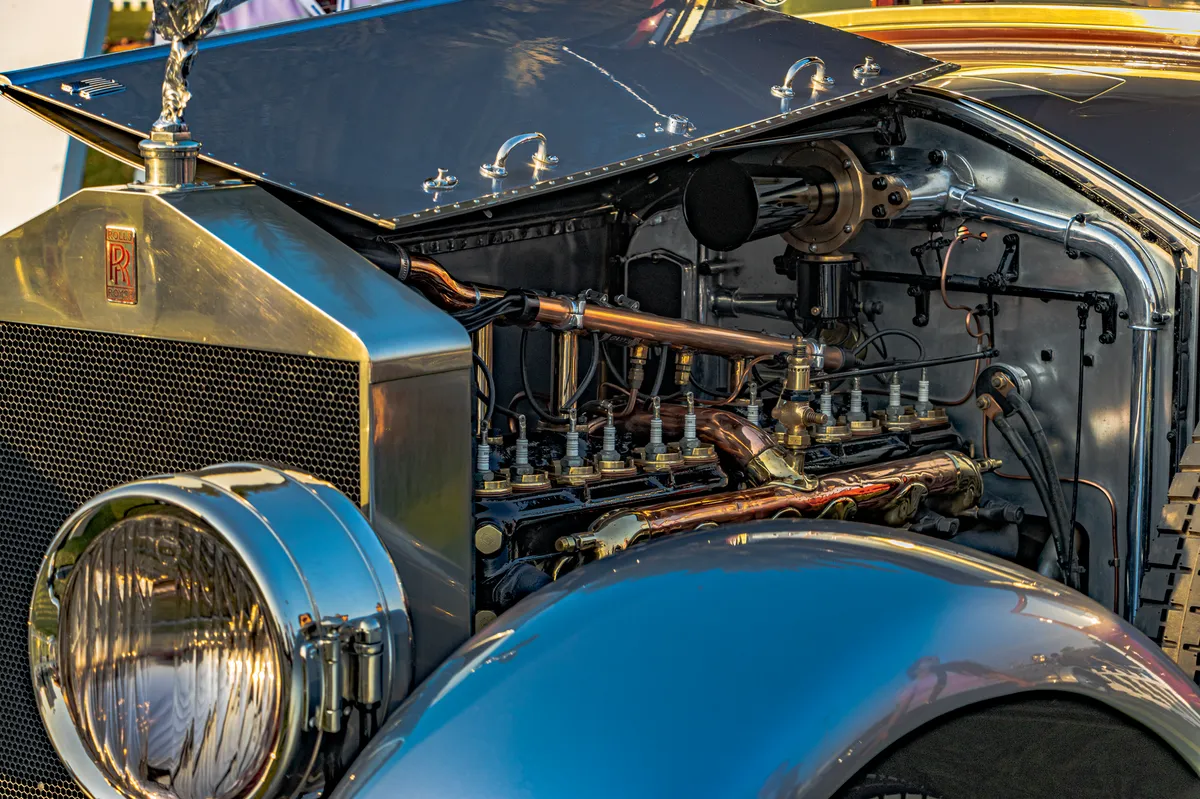
The B8 engine, which was showcased at Goodwood in a modified version of the CTR3 dubbed the "Erprober" (German for 'tester'), represents a significant leap forward for Ruf. With a displacement of 4.8 liters, the B8 produces more than 1,000 hp (745 kW) and 737 lb-ft (1,000 Nm) of torque, numbers that place it firmly in the realm of hyper-performance engines. The engine's architecture is not only a technical marvel but also a crucial element in Ruf's aspiration to compete with the likes of Bugatti and McLaren in the hypercar segment.
Technical Insights and Future Implications
While full technical specifications for the B8 engine have yet to be released, its development is indicative of several broader trends within the automotive industry. Manufacturers are increasingly focusing on performance as a key differentiator, and Ruf's commitment to developing a unique engine aligns with this trend. The B8 could potentially offer performance characteristics that are distinct from the engines currently available in the market, presenting an enticing option for enthusiasts and collectors alike.
Potential Challenges Ahead
Despite the excitement surrounding the B8, Ruf faces challenges as it embarks on this new chapter. The high-performance automotive market is notoriously competitive, with established players holding significant market share and brand loyalty. Additionally, the rapid evolution of electrification in the automotive sector poses a challenge, as many manufacturers are pivoting towards hybrid and fully electric powertrains. Ruf will need to strike a balance between its traditional combustion engine offerings and the emerging demands for sustainability and efficiency.
Market Reactions and Future Prospects
The automotive community has responded with enthusiasm to the unveiling of the B8 engine. Enthusiasts and collectors are eager to see how this new engine performs, and many are speculating about its potential applications in future Ruf models. The company's return to the Goodwood Festival, a prestigious event that draws automotive enthusiasts from around the world, further solidifies its commitment to innovation and performance.
- Performance Metrics: Over 1,000 hp and 1,000 Nm from the new B8 engine.
- Historical Significance: Marks Ruf's evolution from a Porsche tuner to a recognized manufacturer.
- Future Innovations: The B8 may set the stage for future Ruf models, potentially redefining the hypercar landscape.

Key Takeaways
- Ruf has unveiled the groundbreaking B8 flat-eight engine at Goodwood.
- The B8 engine delivers over 1,000 hp, showcasing Ruf's engineering capabilities.
- This development signifies Ruf's evolution from Porsche tuning to independent manufacturing.
- The automotive market's shift toward electrification poses challenges for Ruf's future.
Frequently Asked Questions
What is the significance of the B8 engine for Ruf?
The B8 engine represents a landmark development for Ruf, as it moves the brand beyond its roots as a Porsche tuner. With its impressive power output and unique engineering, the B8 positions Ruf to compete in the high-performance automotive market, potentially attracting a new generation of enthusiasts and collectors interested in innovative, high-performance vehicles.
How does the B8 compare to other high-performance engines?
While specific comparisons are yet to be made pending full technical specs, the B8's output of over 1,000 hp and 1,000 Nm of torque places it among the elite in the hypercar segment. This performance aligns it with engines from brands like Bugatti and McLaren, which are renowned for their exceptional engineering and performance capabilities. The unique flat-eight configuration may also offer distinct advantages in terms of weight distribution and engine dynamics.
What challenges does Ruf face in the current automotive landscape?
Ruf faces several challenges, including intense competition from established manufacturers in the high-performance segment and the rapid shift towards electrification. As consumers increasingly demand hybrid and electric vehicles, Ruf must navigate how to integrate these technologies while maintaining the performance and character that define its brand. Balancing innovation with tradition will be crucial for Ruf's success in the evolving automotive market.
Comments
Navigating the Complexities of AI Code Generation in Enterprises
Enterprise AI code generation offers significant productivity gains, but many organizations struggle to operationalize this technology effectively. This article explores the challenges and solutions to integrating AI-generated code into existing enterprise systems, emphasizing the importance of infrastructure, governance, and developer roles.

Related articles
Popular in Developer Tools
- Why Greylock Partners Caps Fund Size in a Growing Industry
- Roblox Unleashes AI-Powered Game Creation for Mobile Users
- DeepSeek Launches Open Source Alternative to Claude Code, Ups API Pricing
- Cursor Launches Origin: A New Challenger to GitHub's Dominance
- Apple's Camera-Equipped AirPods: Innovation or Invasion?