Ford's Ambitious Return to Le Mans: A New Hypercar Unveiled
Ford is set to make its ambitious return to the top tier of endurance racing with a new Hypercar aimed at capturing victory at the 24 Hours of Le Mans. With a storied history and a focus on innovative engineering, the American automaker is ready to challenge its competitors once again.
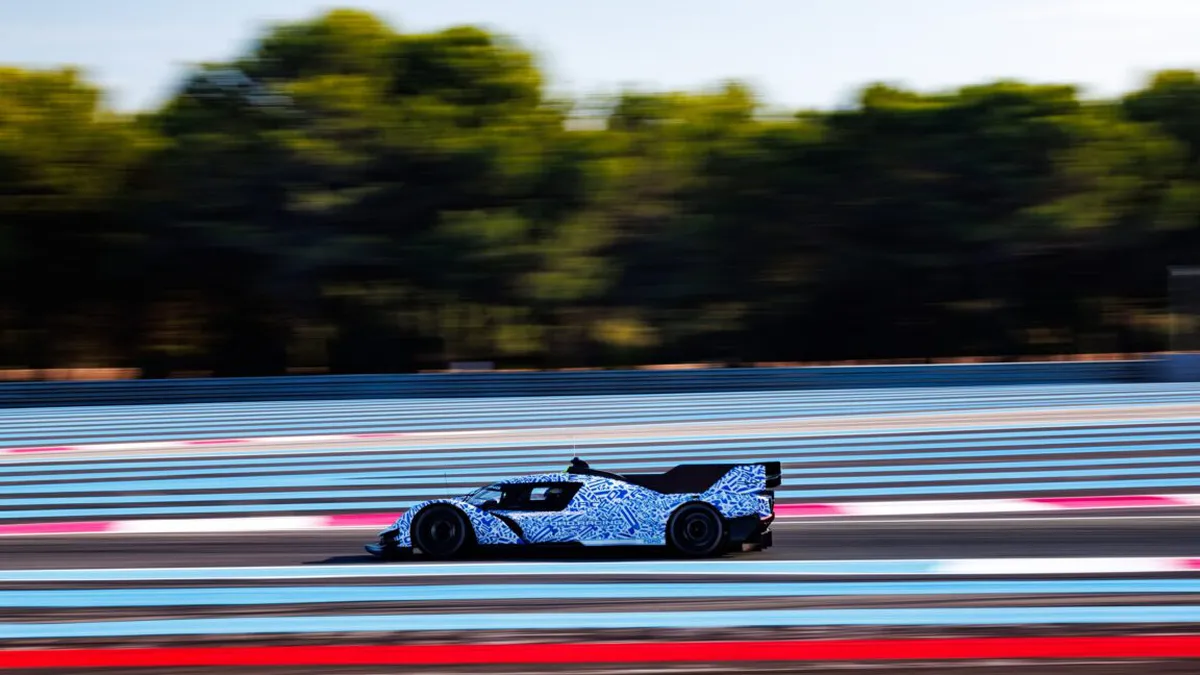
In the high-stakes world of endurance racing, the roar of engines and the thrill of competition are set to return Ford to the forefront with its latest Hypercar. After decades of absence from the premier class of the 24 Hours of Le Mans, Ford is making a bold comeback, aiming to reclaim its legacy of victory that last saw the winner’s circle in 1969. The unveiling of this unnamed Hypercar at the Paul Ricard circuit in Provence, France, marks the beginning of a new chapter for an automaker that has long been synonymous with racing.
Ford has a storied history at Le Mans, having clinched a remarkable four overall wins, cementing its reputation against formidable rivals like Ferrari and Porsche. However, the last victory was half a century ago, and since then, the racing landscape has evolved dramatically. With the rise of the Hypercar category in the World Endurance Championship (WEC), Ford's decision to re-enter this arena reflects not only a nostalgic desire to return but also a strategic move to capitalize on a growing market that captivates fans worldwide.
The Evolution of Ford's Racing Strategy
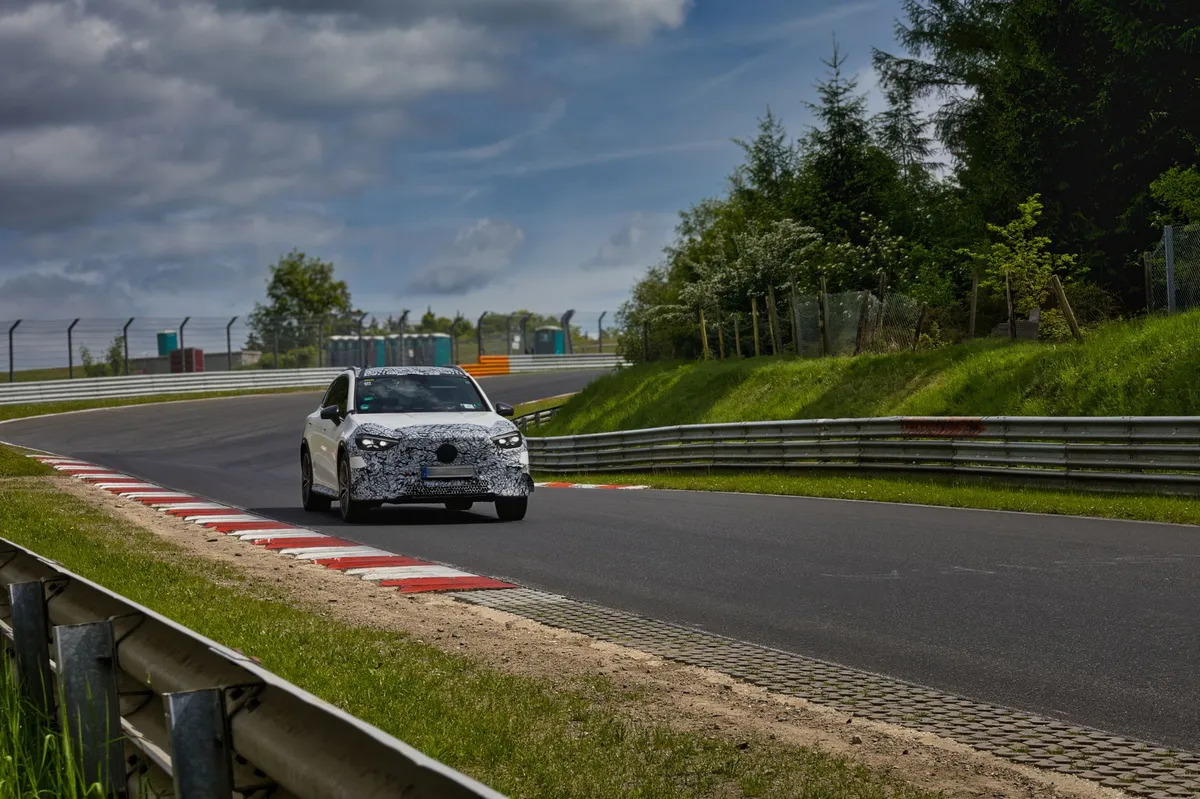
Ford's journey back to Le Mans is not merely a nostalgic trip down memory lane. The automaker has faced various challenges in its racing endeavors over the years, including an unsuccessful stint in the early '80s with the C100, which ultimately ended due to performance issues. However, the resurgence of interest in endurance racing, particularly with the Hypercar category, has reinvigorated Ford's ambitions.
Understanding the Hypercar Category
The Hypercar category, introduced in 2021, allows manufacturers to showcase cutting-edge technology while maintaining competitive racing. This class is defined by two main approaches to car design: the Le Mans Hypercar (LMH) and the Le Mans Daytona h (LMDh). The LMH approach permits manufacturers to engineer a completely bespoke vehicle, while LMDh requires the use of a standardized chassis supplied by one of four approved manufacturers.
Ford has opted for the latter, partnering with ORECA, a renowned chassis manufacturer. This decision not only streamlines development costs but also allows Ford to focus on its unique engine and bodywork design. The LMDh framework ensures that while teams can innovate, they must adhere to specific guidelines that promote fairness and competition across the board.
Powertrain and Performance Insights
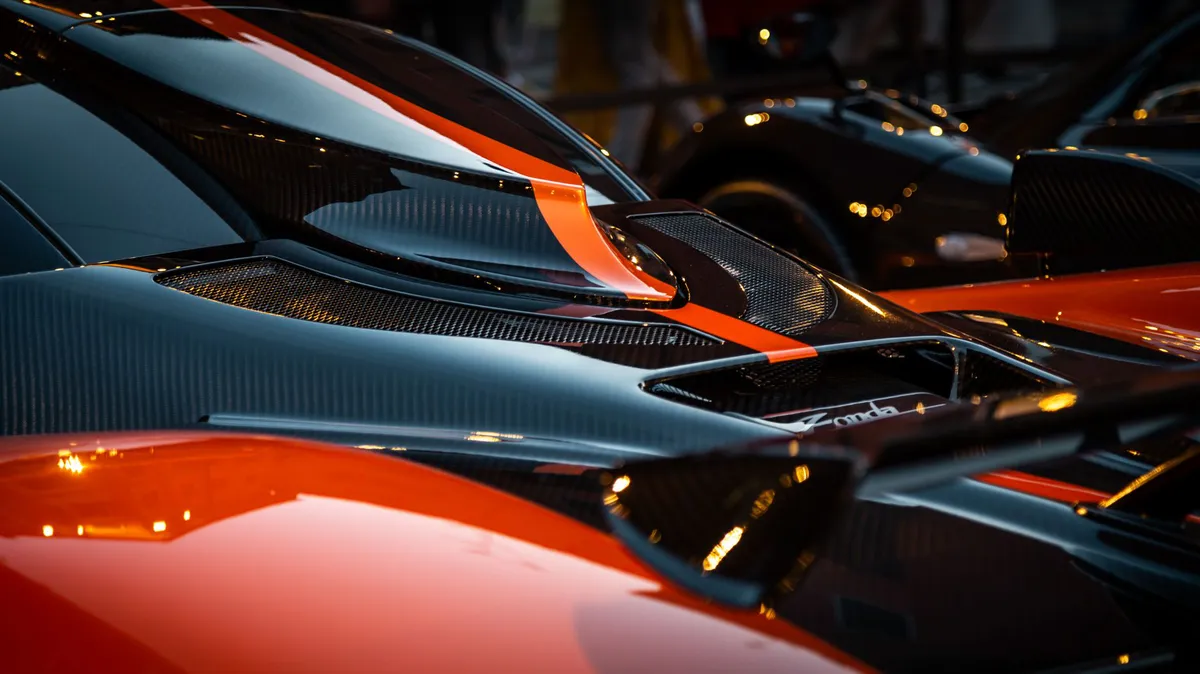
At the heart of Ford's new Hypercar is a naturally aspirated 5.4-liter V8 engine, derived from the familiar “Coyote” engine found in its Mustang lineup. This decision to utilize a high-performance V8 reflects Ford's commitment to maintaining a racing pedigree while adapting to modern performance standards. Christian Hertrich, Ford Racing's chief powertrain engineer, explained that the engine architecture has undergone significant evolution to meet the demanding expectations of the Hypercar category.
The Engineering Challenge Ahead
The integration of a hybrid system, which is a requirement for modern racing vehicles, adds another layer of complexity to the engineering process. While some competitors like Ferrari and Toyota have opted for hybrid systems mounted on the front axle, Ford's design choices will play a crucial role in determining competitive edge and performance on the track.
During initial testing phases, Ford's engineering team reported smooth progress, validating various control systems critical to the car's hybrid operation. The first track tests conducted by seasoned drivers, including Matt Campbell and Logan Sargeant, are essential in fine-tuning the vehicle’s performance before the official races begin.
The Competitive Landscape at Le Mans
Entering the Hypercar category means Ford will face off against some of the most formidable names in the automotive world. Teams like Toyota, Ferrari, and Porsche have established reputations and robust racing histories, making them significant competitors. The balance of performance regulations also ensures that no single manufacturer has a distinct advantage, which keeps the competition fierce and unpredictable.
Market Implications and Fan Engagement
The return of Ford to Le Mans is not just a sporting event; it has broader implications for the automotive market and fan engagement. As manufacturers invest in high-performance racing technology, they simultaneously push the boundaries of engineering that eventually trickle down to consumer vehicles. For Ford, this is an opportunity to showcase its commitment to performance and innovation, potentially attracting younger fans and rekindling interest among long-time supporters.
Key Takeaways
- Ford's new Hypercar marks a significant return to the Le Mans racing scene after decades.
- The choice of LMDh chassis allows Ford to leverage existing technology while focusing on powertrain innovation.
- Equipped with a 5.4-liter V8 engine, the Hypercar embodies Ford's racing heritage.
- Testing is underway with seasoned drivers, aiming to ensure reliability and performance.
- Ford's entry into the Hypercar category opens a new chapter in its history and the future of endurance racing.
Frequently Asked Questions
What is the significance of Ford returning to Le Mans?
Ford's return to Le Mans is significant as it marks a revival of a historic racing legacy. The company has a storied past in endurance racing, having won the prestigious event four times in the 1960s. By re-entering this competitive arena, Ford aims to not only reclaim its former glory but also leverage advancements in automotive technology to attract a new generation of fans and consumers.
How does the LMDh category differ from LMH?
The LMDh category is designed to create a level playing field for manufacturers while allowing for some innovation. In LMDh, teams must start with a chassis from an approved manufacturer and use standardized components, while LMH allows for complete customization. This distinction ensures competitive racing while keeping costs manageable and promoting fairness among competitors.
What challenges does Ford face in this new venture?
Ford faces several challenges as it re-enters the Hypercar category, including competition from established brands with extensive racing experience, the need to develop a reliable hybrid system, and the complexities of modern racing regulations. Additionally, the performance of the vehicle during testing and early races will be crucial in determining its success in the highly competitive environment of Le Mans.
How will Ford's racing technology impact consumer vehicles?
The technology and innovations developed for Ford's Hypercar will likely influence consumer vehicles in the future. Advances in materials, aerodynamics, and hybrid powertrains developed for racing often find their way into commercial models, enhancing performance, efficiency, and safety. This transfer of technology underscores the importance of motorsport in shaping the future of automotive engineering.
Comments
Berd: Block's Open Source AI Agent Workspace Redefines Productivity
Block's new open-source application, Berd, transforms how teams interact with AI agents by offering a unified workspace. This feature-rich tool not only supports multiple AI models but also enhances productivity across various projects.

Related articles

Popular in Developer Tools
- Why Greylock Partners Caps Fund Size in a Growing Industry
- Roblox Unleashes AI-Powered Game Creation for Mobile Users
- DeepSeek Launches Open Source Alternative to Claude Code, Ups API Pricing
- Cursor Launches Origin: A New Challenger to GitHub's Dominance
- Apple's Camera-Equipped AirPods: Innovation or Invasion?