Revolutionizing Steel Manufacturing: How Ex-SpaceX Engineers Are Automating Production
Three former SpaceX engineers are redefining steel manufacturing through automation, targeting a labor-short industry with their new venture, 1872. Their innovative approach combines AI and robotics to streamline production processes for critical infrastructure components.
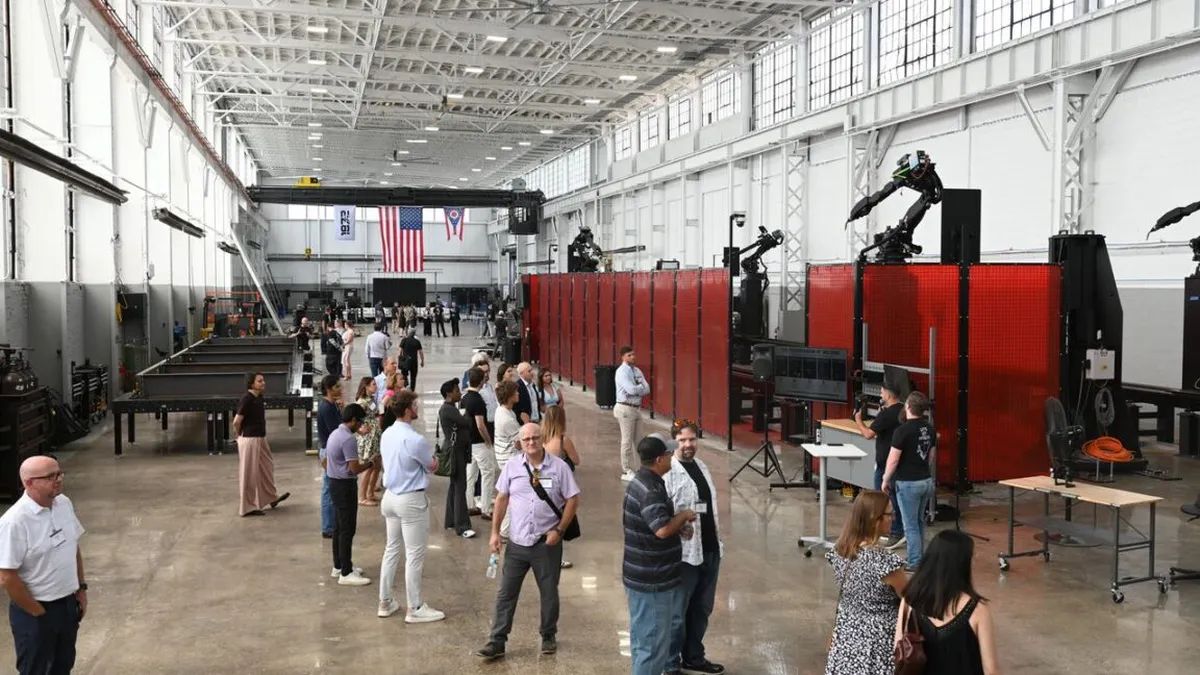
In an era where the demand for advanced manufacturing is surging, three former SpaceX engineers have embarked on an ambitious journey to revolutionize the steel production industry. By leveraging their expertise in aerospace engineering and cutting-edge automation technologies, they aim to create a robotic factory capable of producing steel parts essential for critical infrastructure. This innovative venture, named 1872, officially opened its doors on July 22, 2026, in Cincinnati, Ohio, marking a significant milestone in the quest for efficient manufacturing solutions.
The founders of 1872—Dan Summers, Brian Mongilio, and Michael Grant—are channeling their experience from SpaceX, where they honed skills in integrating software with hardware to streamline production processes. Their vision for 1872 involves automating the fabrication of steel components, specifically focusing on creating steel skids that serve as movable foundations for modular buildings. As the world leans more into AI-driven technologies, the need for efficient and automated manufacturing processes is more critical than ever.
Addressing Labor Shortages with Automation
The United States is currently facing a significant shortage of skilled labor, particularly in industries reliant on welding and metal fabrication. According to the American Welding Society, an estimated 320,500 new welding professionals will be needed by 2029 due to retirements and increased demand. With immigration policies tightening and a dwindling workforce, companies are compelled to seek innovative approaches to maintain productivity. This is where 1872 comes into play.
Summers emphasizes that the problem they are tackling is how to effectively build necessary infrastructure while coping with a decreasing pool of skilled labor. “The problem that we are trying to solve is how do we build more things with a decreasing pool of skilled labor to do it with,” he stated. The company's focus on automation is not merely a cost-saving measure but a strategic response to the labor crisis affecting the manufacturing sector.
From Rockets to Steel: A New Manufacturing Approach
The transition from aerospace to steel manufacturing may seem unconventional, but the co-founders of 1872 believe their experience is invaluable. Summers, who led the engineering team for SpaceX's Raptor engines, explains that their success in rapid prototyping and manufacturing can be replicated in steel production. At SpaceX, intelligent software was crucial for managing the complexities of engine fabrication, enabling quick adaptations and improvements.
By focusing initially on the production of steel skids—less complex than aerospace components—the team is paving the way for a more automated approach. “We’re starting with more of the less sexy components on the critical infrastructure side that are really important to our ability to build stuff,” Summers noted. This strategy allows for a smoother integration of automation technologies.
Integrating Robotics for Enhanced Efficiency
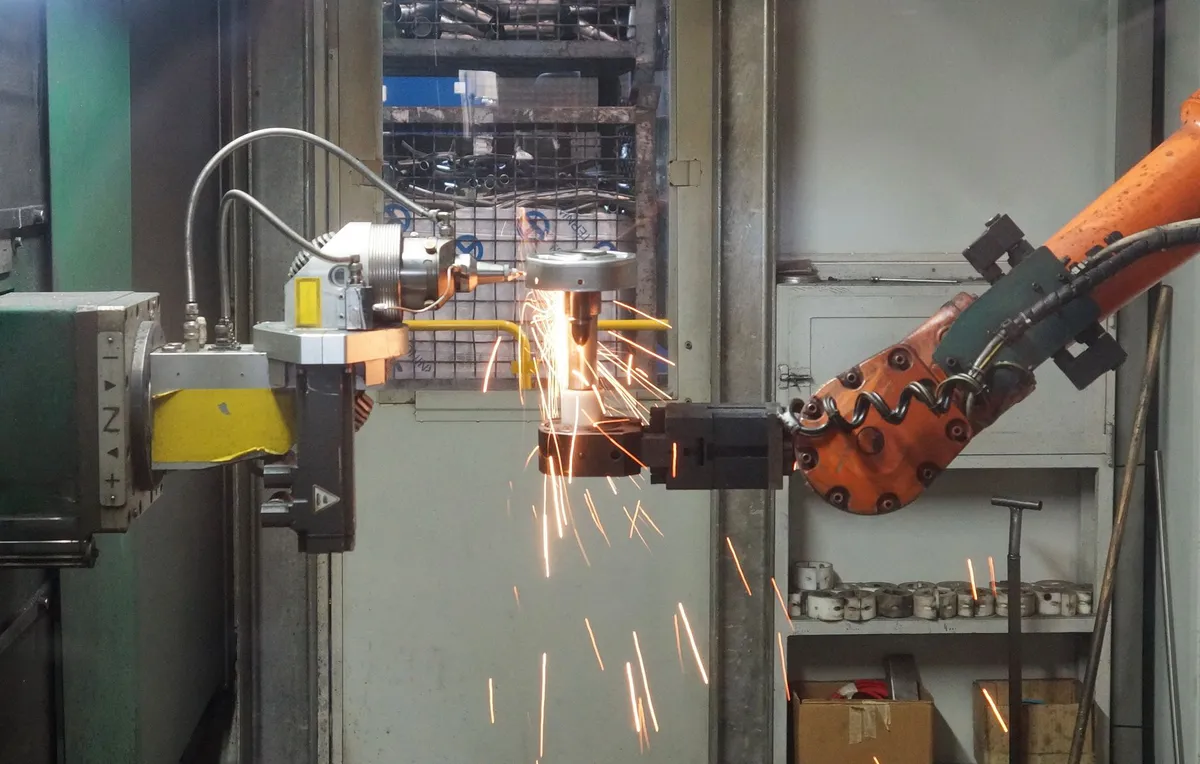
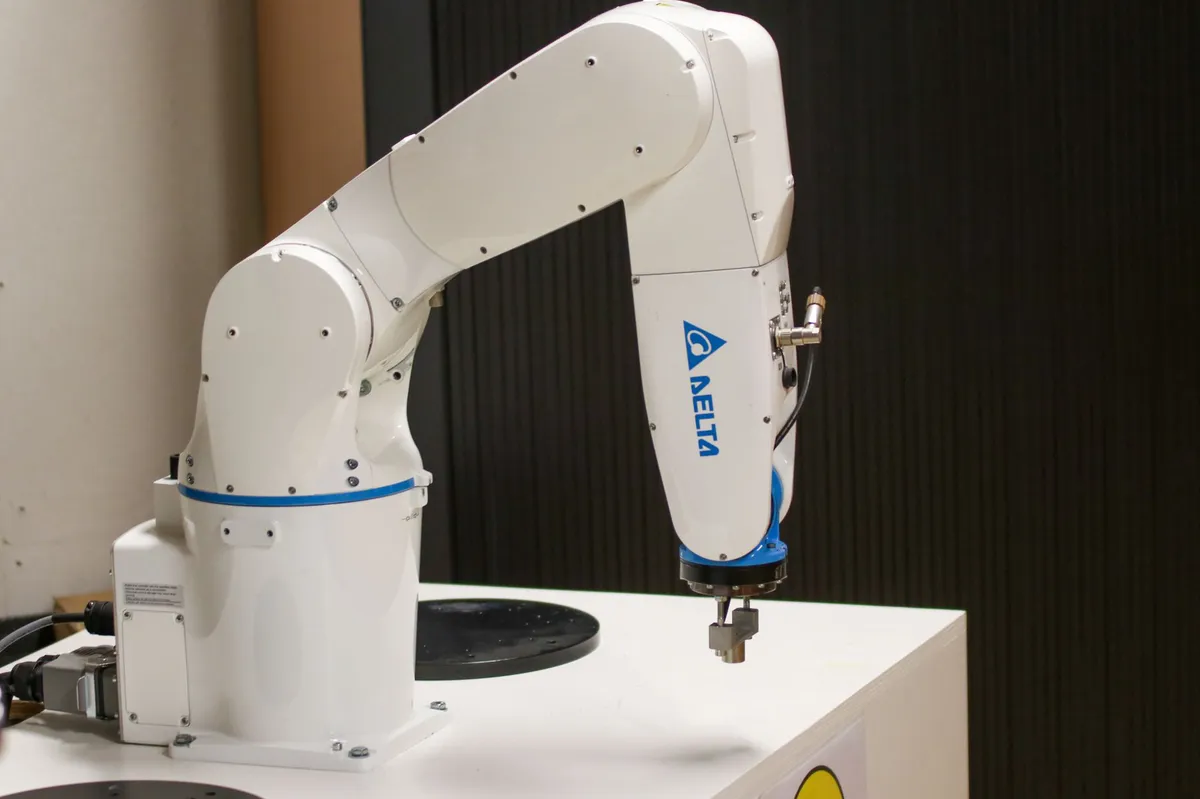
To kickstart their operations, 1872 has initially employed human workers to establish manual production processes for steel skids. However, the integration of robotics is a top priority. The company is collaborating with Path Robotics to implement automated welding solutions. These robotic systems utilize arc welding, generating electric arcs to join metal pieces with remarkable efficiency.
Path Robotics claims its robots achieve a first-pass yield of between 95% and 100%, significantly outperforming human workers, who typically have an arc-on time of only 10 to 12 percent. This difference translates into substantial cost savings, with robotic welding costing around $0.12 per weld inch compared to $0.78 per weld inch for manual welding. Such efficiency could reduce the overall cost of fabricating steel skids while improving production timelines.
Reducing Assembly Time
One of the critical challenges in manufacturing steel skids is the assembly of components before welding. While welding a skid may only take a few hours, assembling the necessary parts can consume several days. 1872 is keen on automating this process to streamline operations further. “The whole name of the game is how do we keep that machine fed,” Summers explains, highlighting the importance of maintaining continuous production flow.
The AI-Driven Future of Manufacturing
The vision for 1872 extends beyond mere automation; it encompasses an integrated manufacturing ecosystem powered by AI. The company’s software system—dubbed the “Architect”—will enable customers to input digital design files, which will then be processed to create comprehensive manufacturing plans that include pricing and material sourcing.
Following this planning phase, the “Conductor” will execute the manufacturing process, coordinating robotic machines and material movement on the factory floor. This orchestration could involve autonomous vehicles transporting materials and robotic arms working in unison along production lines. This level of integration positions 1872 to optimize manufacturing processes continuously and adapt to changing demands.
Funding and Future Prospects
With a seed funding of **$15 million** from private investors, 1872 is well-positioned to advance its automation technology. The funding is expected to support the establishment of its first factory, the development of automation software, and the construction of a robust tech stack. The company's plans include expanding automation beyond steel skids to cover structural frames and enclosures, potentially broadening its market impact.
“Over the next 12 months, we expect to peel back the layers of the onion on the manual processing and implement automations not only on the physical production floor but digitally as well,” Summers added, showcasing the company’s commitment to ongoing improvement and innovation.
Key Takeaways
- Three former SpaceX engineers launched 1872 to automate steel manufacturing.
- The company focuses on producing steel skids for modular buildings and critical infrastructure.
- Automation is a strategic response to the skilled labor shortage in manufacturing.
- Collaborations with robotic firms enhance efficiency and reduce production costs.
- AI-driven software aims to create seamless manufacturing processes.
Frequently Asked Questions
What is the primary focus of 1872?
1872 is focused on automating the manufacturing of steel parts, particularly steel skids, which are essential for modular buildings and infrastructure. Their approach aims to address labor shortages in the manufacturing industry through the use of AI and robotics.
How does automation benefit steel manufacturing?
Automation in steel manufacturing can significantly enhance efficiency and reduce costs. With robotic systems, companies can achieve higher precision and speed in production, leading to lower overall expenses. By minimizing reliance on manual labor, businesses can also mitigate the impacts of labor shortages.
What technologies are being integrated into 1872's manufacturing process?
1872 plans to integrate several technologies into its manufacturing process, including robotic welding systems and AI-driven software. The software will facilitate the creation of manufacturing plans based on customer designs, while robotic systems will handle the physical production tasks, improving efficiency and precision.
What are the future plans for 1872?
Looking ahead, 1872 aims to refine its automation processes and potentially expand its scope beyond steel skids to include more complex structural components. The company is also focused on continuously improving its AI models to enhance manufacturing efficiency and adaptability.
Comments
Gasolini AR1: A Sportscar Revolution Under $7,000
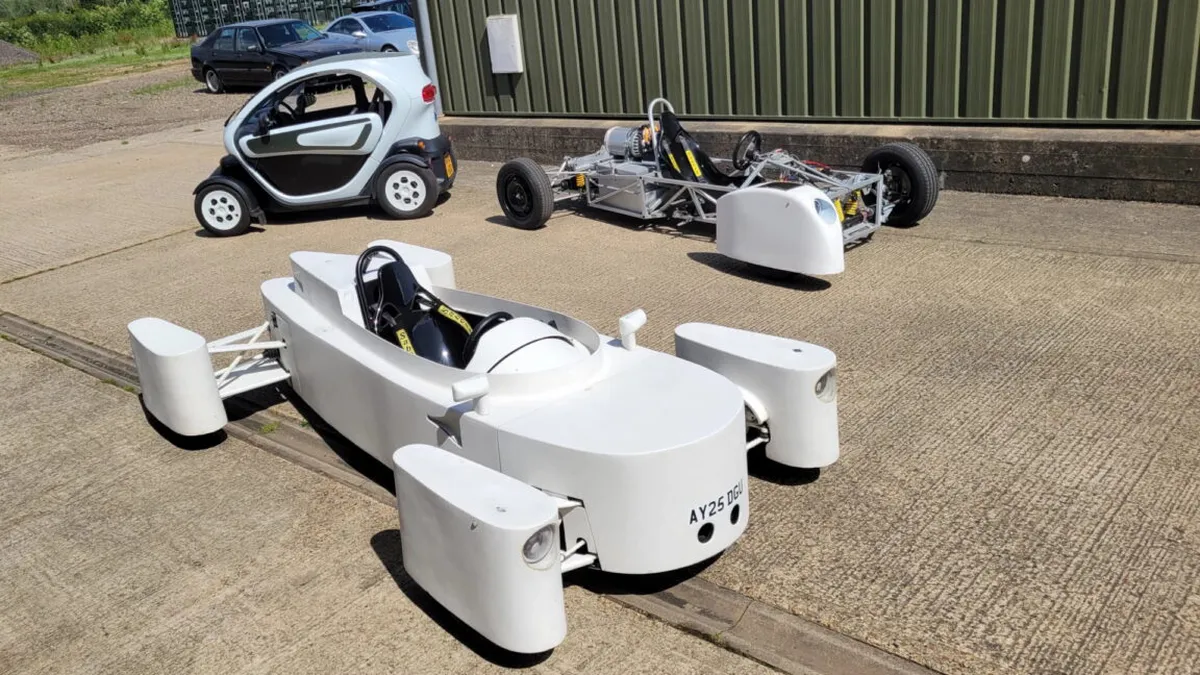
The Gasolini AR1 is a game-changing sportscar that challenges the conventional automotive market with its affordability and efficiency. With a focus on fun driving and sustainability, this hand-built marvel could redefine car culture for enthusiasts.
Related articles
Popular in Developer Tools
- Why Greylock Partners Caps Fund Size in a Growing Industry
- Roblox Unleashes AI-Powered Game Creation for Mobile Users
- DeepSeek Launches Open Source Alternative to Claude Code, Ups API Pricing
- Cursor Launches Origin: A New Challenger to GitHub's Dominance
- Apple's Camera-Equipped AirPods: Innovation or Invasion?