OpenAI's Upcoming Smart Speaker: A Deep Dive into the AI Revolution
OpenAI is set to enter the smart home market with a new AI speaker, priced between $300 and $400. This article explores its design, potential impact, and market challenges.
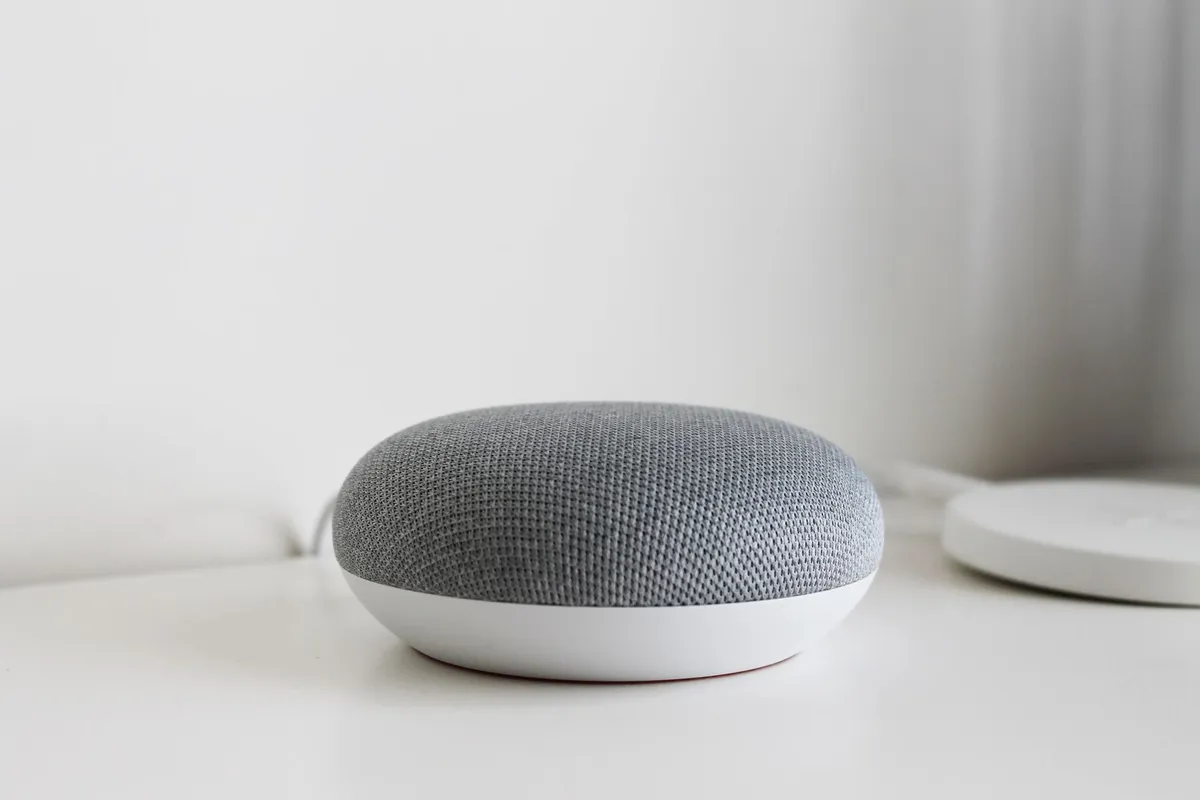
In an exciting development for tech enthusiasts and AI aficionados alike, OpenAI is reportedly gearing up to launch a new AI-driven smart speaker that promises to be unlike any other on the market. With a projected price range of $300 to $400, this device aims to serve as a physical embodiment of the widely popular ChatGPT. Details surrounding its design, functionality, and market positioning are beginning to emerge, setting the stage for what could be a significant entry into the smart home ecosystem.
The anticipated device, described as "donut-shaped," is designed not just for aesthetics but also for practicality, allowing users to seamlessly move it around their living spaces. Whether placed on a bedside table or a kitchen counter, the speaker's unique form factor aims to enhance user interaction with AI in various settings. As OpenAI prepares to make this leap into hardware, it raises important questions about the future of smart technology integration in everyday life.
Design and Features: What to Expect
Sources indicate that the smart speaker will be constructed from high-quality metal, giving it a premium look and feel. This contrasts sharply with many existing smart speakers on the market, which often utilize cheaper plastics. Furthermore, the device's "moving parts" suggest a level of interactivity that could set it apart from competitors. While exact functionalities remain under wraps, it's reasonable to speculate that features may include voice interaction, integration with other smart home devices, and perhaps unique visual feedback mechanisms.
The Price Point: A Barrier to Entry?
OpenAI's decision to price the speaker between $300 and $400 places it at a premium level compared to many existing smart speakers. For context, Amazon's Echo line ranges from approximately $40 to $240. This substantial price difference raises concerns about market acceptance; consumers might be hesitant to invest in a device that costs significantly more than their existing options.
Historically, the smart speaker market has seen challenges with profitability. Many companies in the space have struggled to turn a profit due to high competition and low margins. OpenAI will need to not only convince consumers of the value of its offering but also navigate the complexities of a market that has seen many players come and go.
Market Context: The Smart Speaker Landscape
The smart speaker market has been dominated by a handful of major players, including Amazon and Google. These companies have established ecosystems that encourage consumer loyalty, making it difficult for new entrants to gain traction. However, OpenAI's innovative approach to AI could provide a unique selling proposition. By leveraging the capabilities of ChatGPT, the speaker could offer a level of conversational interaction that is currently unmatched.
Moreover, the collaboration with LoveFrom, the design studio founded by former Apple designer Jony Ive, signals a commitment to high-quality aesthetics and user experience. This partnership could enhance the speaker's marketability among design-conscious consumers.
Legal Challenges: A Complicated Launch
OpenAI's foray into hardware also comes amid legal challenges, particularly a lawsuit from Apple that accuses the AI company of stealing trade secrets. This legal entanglement could pose delays or complications for the launch of the smart speaker. OpenAI's denial of wrongdoing suggests that it is prepared to defend its innovations vigorously, but the outcome of this lawsuit could influence public perception and investor confidence as the launch approaches.
Implications for Consumers and the Industry
The launch of OpenAI's smart speaker could have broad implications for consumers and the tech industry. For users, it represents an opportunity to integrate advanced AI capabilities into their daily lives, enhancing everything from home automation to personalized assistance. However, the higher price point may limit accessibility for many potential customers.
For the industry, OpenAI's entry could spark renewed competition and innovation. If successful, it may encourage other tech companies to invest more deeply in AI integration within their own smart home devices, leading to a richer array of functionalities and features across the market.

Key Takeaways
- OpenAI's smart speaker is priced between $300 and $400, significantly higher than competitors.
- The device features a unique donut shape and will be made from premium materials.
- OpenAI faces legal challenges from Apple over trade secrets, which could impact the launch.
- This product could redefine user interaction with AI in smart homes.
- The collaboration with Jony Ive's design studio adds a layer of credibility and appeal.
Frequently Asked Questions
What unique features will OpenAI's smart speaker offer?
While specific features have not been confirmed, the speaker is expected to facilitate enhanced conversational interactions through the capabilities of ChatGPT. Moving parts may also suggest interactive functionalities, allowing for a more engaging user experience compared to traditional smart speakers.
How does the pricing of OpenAI's speaker compare to competitors?
OpenAI's speaker is priced significantly higher than many existing smart speakers on the market, which typically range from $40 to $240. This premium pricing strategy may create barriers for entry into a competitive market that has seen many players struggle to achieve profitability.
What impact could the legal issues with Apple have on OpenAI?
The ongoing lawsuit from Apple could complicate OpenAI's entry into the hardware market. If the legal battle proves prolonged or results in unfavorable outcomes, it may affect public perception and investor confidence, potentially delaying the launch or impacting the speaker's market performance.
What does this mean for the future of smart home technology?
The introduction of OpenAI's smart speaker could catalyze innovation within the smart home technology sector. If successful, it could lead to heightened competition, encouraging other companies to invest in AI and develop more advanced, user-friendly devices that enhance the smart home experience.
Comments
Popular in Developer Tools
- Why Greylock Partners Caps Fund Size in a Growing Industry
- Roblox Unleashes AI-Powered Game Creation for Mobile Users
- DeepSeek Launches Open Source Alternative to Claude Code, Ups API Pricing
- Cursor Launches Origin: A New Challenger to GitHub's Dominance
- Apple's Camera-Equipped AirPods: Innovation or Invasion?