Smallest.ai Raises $13M to Redefine Voice AI Communication
Smallest.ai has secured $13 million in funding to develop a new voice AI model aimed at making conversations with machines indistinguishable from those with humans. This innovative approach leverages smaller, specialized models to enhance real-time interactions, setting a new benchmark in the voice AI landscape.
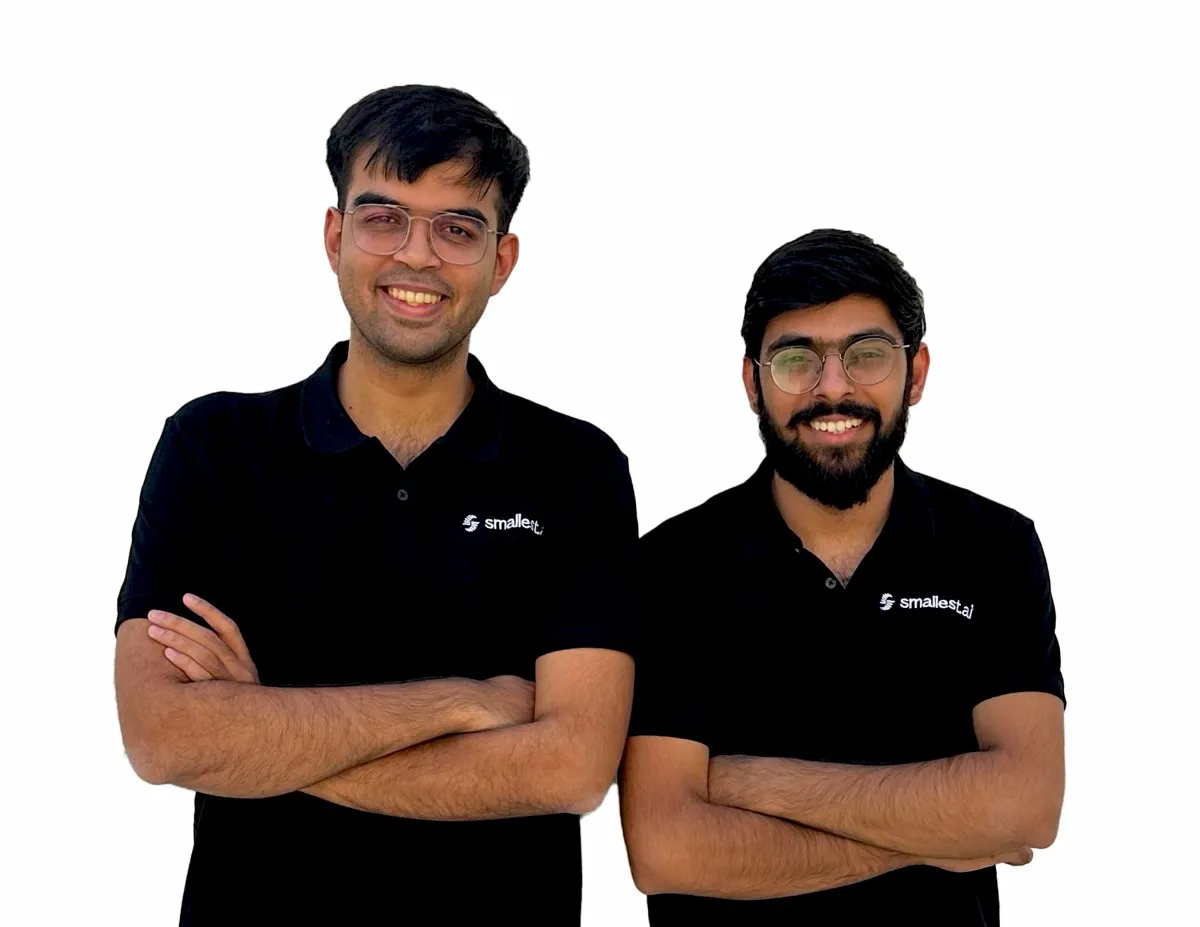
The landscape of artificial intelligence is rapidly evolving, yet one area remains a persistent challenge: creating voice AI that can communicate as seamlessly as a human. As technology advances, users often find themselves frustrated by the telltale signs of machine-generated responses, which can detract from the overall customer experience. Smallest.ai, a startup founded in late 2024, is stepping into this critical gap with a fresh approach to voice AI. Recently, the company raised $13 million in a Series A funding round to advance its mission of creating ultra-fast, human-like voice interactions that could redefine customer support across various industries.
Unlike traditional AI systems that rely on large language models (LLMs) to generate responses, Smallest.ai is focusing on smaller, specialized models designed specifically for real-time human conversation. This innovative strategy aims to eliminate the latency often associated with AI communication, making interactions feel more natural and immediate. Sudarshan Kamath, the founder and CEO of Smallest.ai, emphasizes that their approach mirrors the fluidity of human conversation, where thoughts and responses are exchanged almost instantaneously.
Understanding the Technology Behind Smallest.ai
The technology powering Smallest.ai is groundbreaking. The startup’s voice model mimics the human cognitive process by combining listening, thinking, and speaking in real-time. As Kamath explains, when a person speaks, the listener is already processing the information and may even interject if the speaker takes too long. This is the essence of human conversation, and Smallest.ai's goal is to replicate that dynamic in its AI systems.
Real-Time Intelligence Layer
Smallest.ai's model acts as a real-time intelligence layer, facilitating natural conversations on specific topics without the lag typically experienced with traditional AI. When the model encounters a subject outside its predefined knowledge base, it intelligently hands off the query to a larger foundational model, momentarily placing the customer on hold to “research,” akin to how a human might pause to think. This hybrid model aims to balance the immediacy of voice interactions with the depth of information provided by larger models.

Market Position and Competitive Landscape
In the crowded voice AI market, Smallest.ai is not without competition. The startup faces off against established players like ElevenLabs and Cartesia, as well as regional companies such as Sarvam, which focus on local languages and specific use cases. However, what sets Smallest.ai apart is its unwavering commitment to real-time conversational AI. While competitors may branch into areas like audio dubbing and podcasting, Smallest.ai remains laser-focused on enhancing customer support through voice technology.
Target Customers and Industry Implications
Smallest.ai has already attracted notable clients, including companies in the voice space such as RingCentral and Truecaller. Kamath points out that many customer support companies, particularly newer startups like Sierra and Decagon, could benefit significantly from adopting their voice model. The rationale is clear: developing an in-house voice solution could distract these companies from their core business objectives. By outsourcing this function to Smallest.ai, they can concentrate on what they do best while leveraging cutting-edge voice technology.
Challenges and Opportunities in Voice AI
While the potential for Smallest.ai's technology is immense, the challenges of developing voice AI that can convincingly mimic human interaction are substantial. Key challenges include:
- Handling Diverse Accents: The ability to understand and process different accents and dialects is crucial for any voice AI solution operating in a global market.
- Operating in Noisy Environments: Many customer interactions occur in less-than-ideal settings, and voice AI must be robust enough to function effectively amidst background noise.
- Maintaining Natural Conversation Flow: Ensuring that the AI can handle interruptions and manage conversations dynamically is essential for a human-like experience.
Despite these hurdles, the opportunities are equally compelling. As businesses increasingly shift towards AI-driven customer support solutions, the demand for effective, natural-sounding voice interactions is likely to surge. By focusing on the nuances of voice communication, Smallest.ai is poised to capture a significant share of this growing market.

Future Outlook and Vision
Looking ahead, Kamath envisions a future where voice AI has evolved to such an extent that users cannot distinguish between human and machine interactions. The ultimate goal, as he puts it, is for Smallest.ai's models to “break the Turing test,” a benchmark for assessing a machine's ability to exhibit intelligent behavior equivalent to, or indistinguishable from, that of a human. Achieving this would not only revolutionize customer support but could also have far-reaching implications across various sectors reliant on voice technology.
Key Takeaways
- Smallest.ai has raised $13 million to develop a voice AI model focused on real-time human-like communication.
- The startup's approach utilizes smaller, specialized models to minimize latency in voice interactions.
- Smallest.ai targets customer support companies, allowing them to enhance their voice capabilities without distracting from their core business.
- Challenges include handling diverse accents, operating in noisy environments, and maintaining natural conversation flow.
- The goal is to create voice AI that can seamlessly integrate into customer support systems and meet the growing demand for effective AI communication.

Frequently Asked Questions
What differentiates Smallest.ai from other voice AI companies?
Smallest.ai's primary differentiation lies in its focus on real-time conversational AI, utilizing smaller, specialized models designed to minimize response latency. This contrasts with larger, traditional models that may introduce delays in conversation flow, which can disrupt the customer experience. Their technology emphasizes a natural interaction style that closely mimics human communication.
Who are the potential customers for Smallest.ai's technology?
Smallest.ai is targeting a broad spectrum of potential customers, particularly in the customer support sector. This includes established companies like RingCentral and Truecaller, as well as emerging startups focused on customer support. The goal is to provide these organizations with a sophisticated voice AI solution that enhances their service offerings without diverting their focus from core business activities.
What are the main challenges facing voice AI technologies?
Voice AI technologies face several challenges, including the ability to accurately recognize and respond to diverse accents, functioning effectively in noisy environments, and ensuring that conversations flow naturally. These factors are critical in creating an effective voice AI solution that users can engage with comfortably, making overcoming these obstacles vital for success in the market.
What does the future hold for voice AI?
The future of voice AI looks promising, with increasing demand from businesses seeking to enhance their customer support capabilities. As technology advances, the potential for voice AI to become indistinguishable from human conversation will likely grow, leading to broader applications across various sectors. Smallest.ai aims to be at the forefront of this evolution, positioning itself as a leader in the voice AI market.
Comments
Google's Earth AI Feature Scrapped Amid Misinformation Concerns
Just one day after its launch, Google has removed the controversial AI image generation feature from Google Earth due to fears of misinformation. The decision highlights the ongoing challenges of balancing creativity and safety in AI applications.

Related articles
Popular in AI Tools
- OpenAI's GPT-Live: Transforming Voice Interaction with AI
- SpaceX's Grok 4.5: Disruption in AI Coding at Unmatched Prices
- Gaming Data: The Future of Training AI for General Intelligence
- OpenAI's GPT-5.6: A New Era for Microsoft Copilot and Beyond
- The AI Deployment Dilemma: Balancing Autonomy and Governance