Navigating the Branding Maze of AI: Lessons from Google Gemini
Google's Gemini highlights a broader branding issue in AI, where complex features and names create confusion for users. This article explores the implications of branding in AI tools and how companies can simplify user interactions.
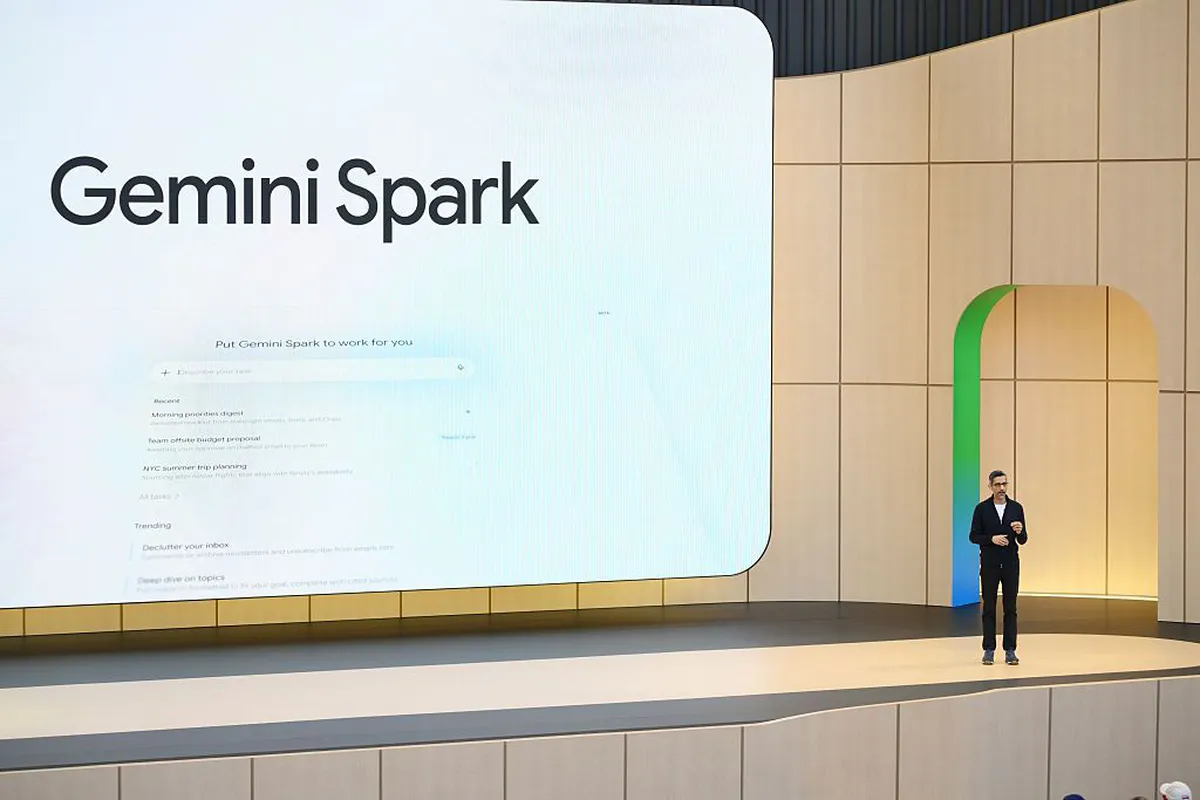
In the rapidly evolving landscape of artificial intelligence, branding has emerged as a critical challenge that can significantly impact user experience and adoption. Google’s recent launch of its Gemini AI app, featuring multiple functionalities, serves as a compelling case study in how excessive branding can complicate rather than simplify interactions. Despite its promise of versatility through voice commands, Gemini’s strategy of assigning distinct brand identities to its functionalities—like Spark and Daily Brief—has muddled the user experience, leaving many to wonder whether the AI truly understands their needs.
The complexity of Gemini’s branding reflects a broader trend across the AI industry, where companies often prioritize showcasing their technology’s capabilities over delivering a seamless user experience. In a world where consumers expect intuitive and straightforward interactions, this approach raises significant questions about the future of AI adoption and user satisfaction.

The Branding Conundrum: Gemini's Approach
At the core of the Gemini experience lies a suite of features designed to assist users in various tasks. However, the decision to compartmentalize these features with their own identities creates unnecessary friction. For instance, users are required to navigate between chat, Spark, and Daily Brief, each presented as a separate entity within the app. This segmentation not only clutters the interface but also suggests that Google has yet to identify a definitive 'killer feature' that could unify these capabilities into a single, coherent experience.
Daily Brief: More Creepy than Handy
Take the Daily Brief feature, for example. Marketed as an AI agenda that provides personalized updates using data from Google’s suite of applications, the reality is less appealing. While the intent is to offer proactive insights, the execution often leads to confusion. The AI struggles to differentiate between genuinely urgent tasks and casual reminders, often resurfacing previous searches—like college scholarships or animal rescues—in a way that feels intrusive rather than helpful. Such experiences risk alienating users who may find the AI’s nudges more creepy than convenient.
Spark: A Double-Edged Sword
On the other hand, Spark functions as a more proactive AI agent that can take actions on behalf of users. Yet, similar to Daily Brief, Spark’s branding as a standalone feature detracts from its utility. Users should not have to think about which 'side' of the app they need to engage with for a given task. The expectation is that a well-designed AI should intuitively understand user requests, streamlining interactions without requiring users to decipher complex branding.
The Broader AI Landscape: A Common Struggle
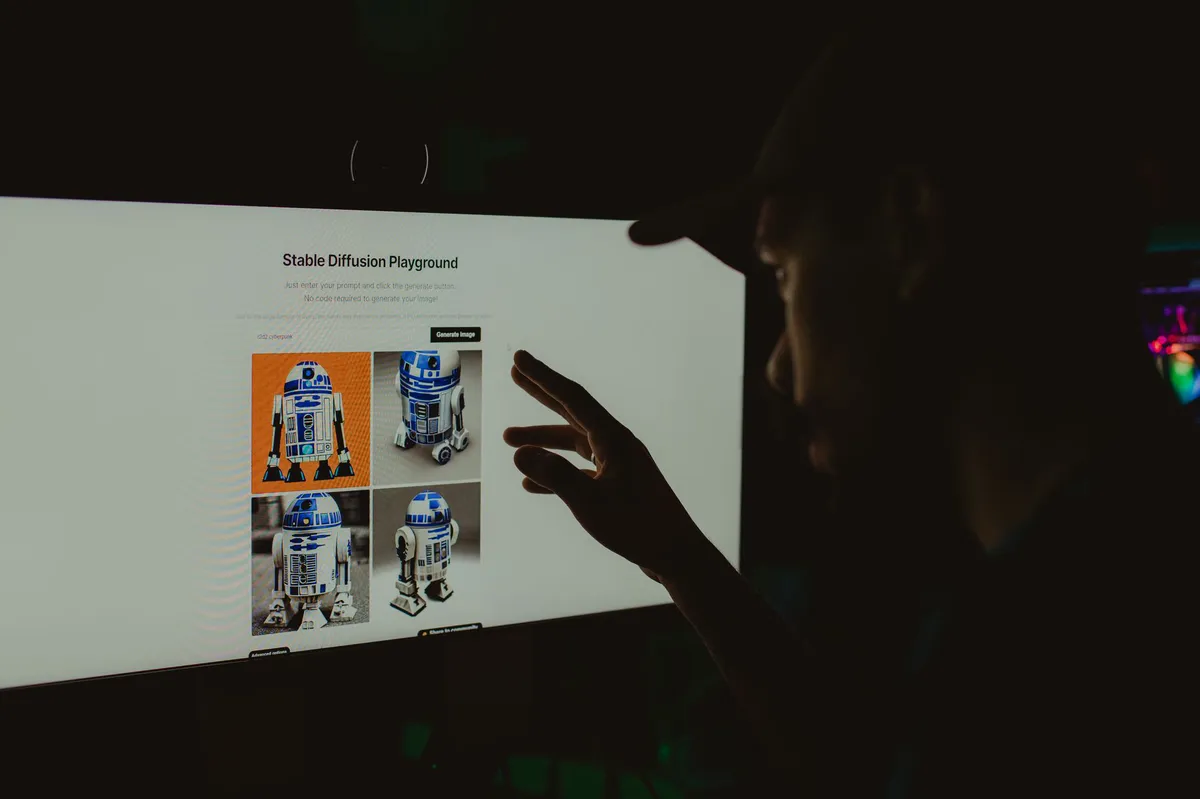
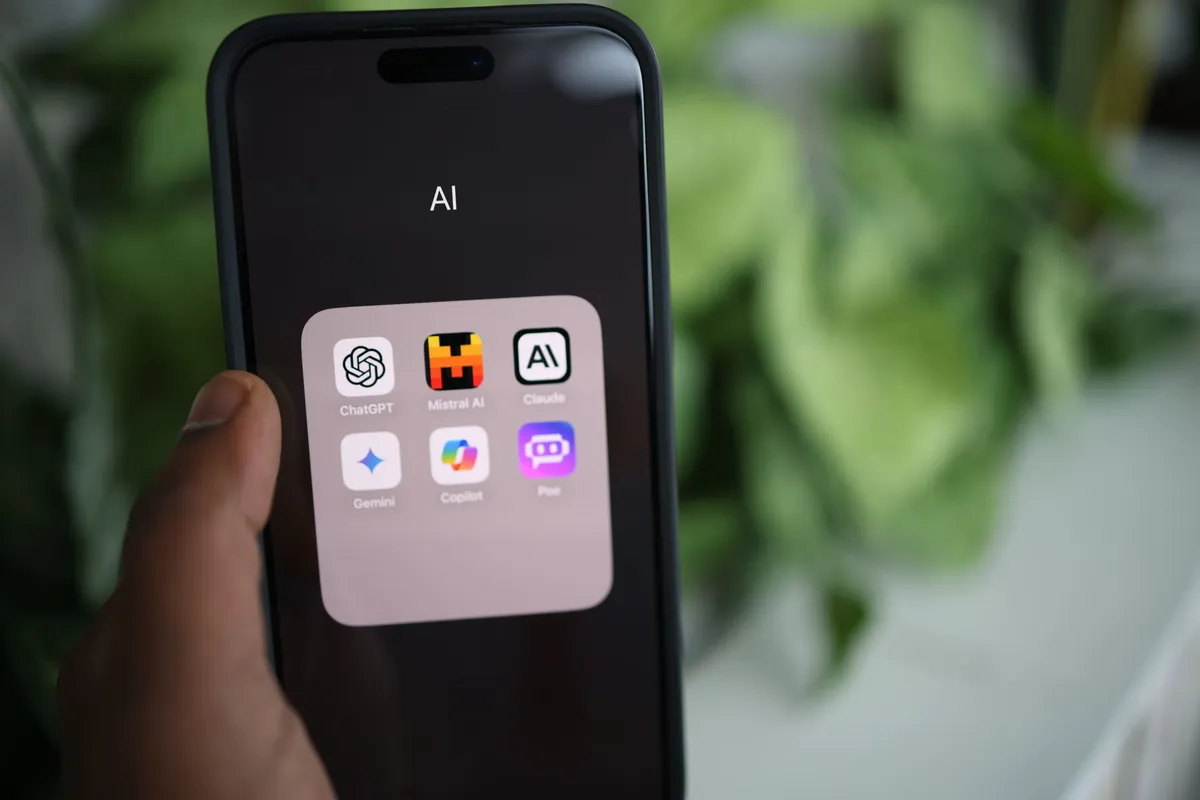
The challenges faced by Gemini are not isolated incidents; they reflect a systemic issue within the AI industry. Many AI applications today force users to navigate through distinct interaction modes, each with its own branding. For instance, users engaging with Anthropic’s Claude must choose between 'Chat' and 'Cowork', and until recently, these modes failed to share memory, which further fragmented the user experience.
ChatGPT presents a similar dilemma, requiring users to switch between 'Chat' and 'Work' modes. This engineering-centric approach to design creates a barrier that makes it difficult for consumers to engage with the technology meaningfully. The result is an AI landscape where users must familiarize themselves with various branding terminologies for interaction modes rather than enjoying a straightforward experience.
Learning from Simplicity: Apple’s Strategy
In stark contrast to Google’s branding approach, Apple’s strategy with Siri demonstrates the effectiveness of simplicity. Apple has integrated AI into existing applications and features without demanding users to learn new interfaces or terminologies. Siri enhances the functionality of familiar tools—like Spotlight Search and the Photos app—allowing users to leverage AI without the mental overhead of navigating a complex branding structure.
The Appeal of Text-Based AI Services
This principle of simplicity explains the rising popularity of text-based AI services, where users interact via familiar messaging interfaces. Applications like Poke, Ollie, and Lindy allow users to send straightforward text commands, resulting in immediate assistance without the need for extra cognitive effort. As a16z investment partner Justine Moore aptly pointed out, people prefer to text an AI assistant as they would a friend, creating a more organic interaction model.
Key Takeaways
- Complex Branding Complicates User Experience: Features like Gemini’s Spark and Daily Brief illustrate how excessive branding can hinder usability.
- Simplicity is Key: Successful AI applications should integrate seamlessly with existing user behaviors rather than demanding new learning curves.
- Text-Based Interactions Are Preferred: The rise of text-based AI services highlights a user preference for straightforward communication methods.
- Consumer-Centric Design Matters: Companies must prioritize user experience over showcasing internal architecture to foster broader AI adoption.

Frequently Asked Questions
What is the main issue with Google's Gemini branding?
The primary issue with Google's Gemini branding is the compartmentalization of its features, such as Spark and Daily Brief, which complicates user interactions. Instead of offering a unified experience, users are forced to navigate between different functionalities, leading to confusion and a cluttered interface.
How does this branding challenge affect user adoption of AI tools?
When AI tools present complex branding and require users to learn distinct interaction modes, it can hinder adoption. Users prefer intuitive and straightforward experiences that require minimal effort to engage with the technology. If AI applications feel cumbersome or overwhelming, potential users may opt for simpler alternatives.
What can companies learn from Apple's approach to AI branding?
Companies can learn from Apple’s strategy of integrating AI features into existing applications without requiring users to change their behavior. By enhancing familiar tools rather than introducing new interfaces, Apple creates a seamless user experience that encourages adoption and usage.
What is the future of AI branding?
The future of AI branding likely hinges on simplicity and user-centric design. As competition intensifies among AI providers, those that prioritize an easy and natural engagement model will likely succeed in attracting and retaining users. A focus on clear communication and minimal cognitive load will be essential in the evolution of AI branding.
Comments
Understanding OpenAI's Executive Exodus: Implications and Future Outlook
OpenAI faces a significant executive turnover amid ambitious growth plans and an impending IPO. This article delves into the reasons behind this exodus and what it means for the AI pioneer.

Related articles

Popular in AI Tools
- OpenAI's GPT-Live: Transforming Voice Interaction with AI
- SpaceX's Grok 4.5: Disruption in AI Coding at Unmatched Prices
- Gaming Data: The Future of Training AI for General Intelligence
- OpenAI's GPT-5.6: A New Era for Microsoft Copilot and Beyond
- The AI Deployment Dilemma: Balancing Autonomy and Governance