The Evolution of Physical AI: From GPT-2 to Tomorrow's Robotics
As venture capital flows into the physical AI sector, companies face challenges in translating advanced language models into real-world robotics. This article explores the current landscape, key players, and what the future may hold for robotics powered by AI.
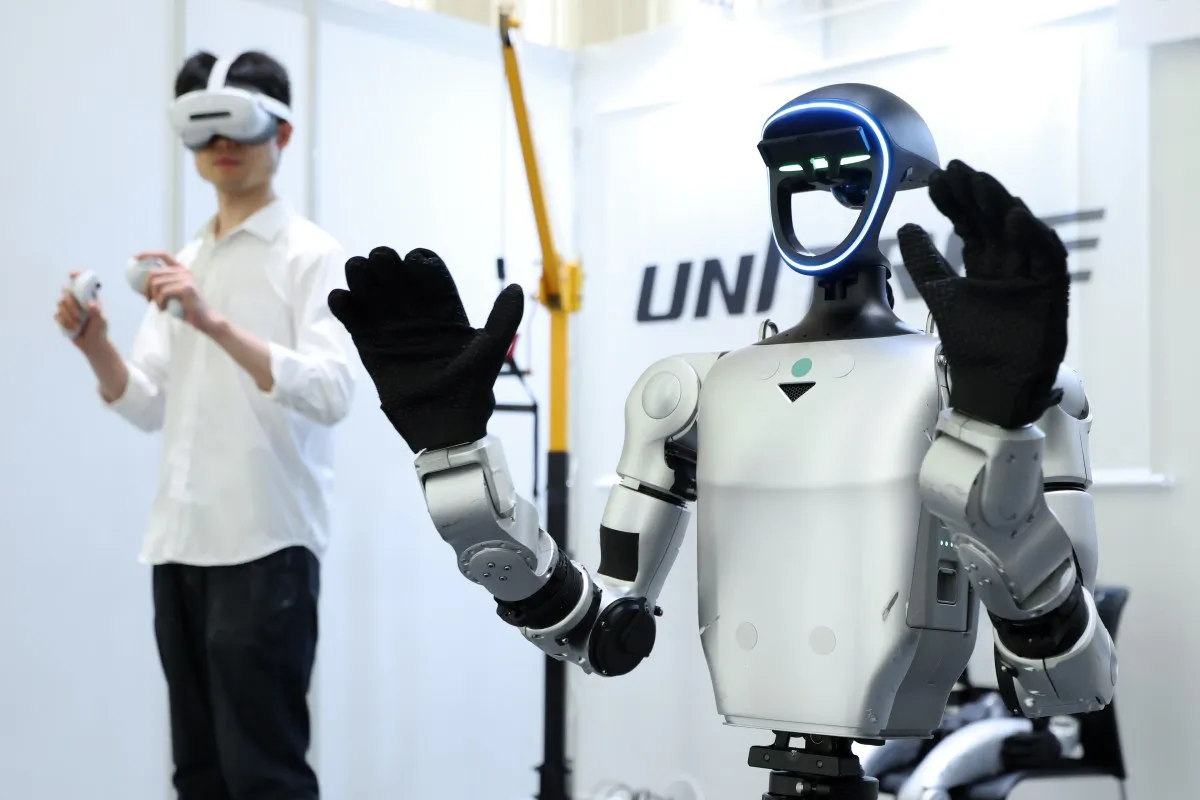
The intersection of artificial intelligence and robotics is one of the most vibrant and rapidly evolving sectors in technology today. As venture capitalists pour billions into the physical AI realm, driven by the extraordinary capabilities of large language models (LLMs) like ChatGPT, the excitement is palpable. However, while the potential for robotics appears vast, the reality remains complex. Many companies are still grappling with fundamental challenges that hinder the development of robots that can perform useful, value-creating tasks in various industries.
Recent developments, such as Unitree's IPO, highlight both the promise and pitfalls of the sector. Valued at a staggering $66 billion upon its entry into the market, the company saw its worth plummet by nearly 50% shortly thereafter. This significant drop has raised questions about the viability of robotics firms that, despite rapid advancements in physical capabilities, still struggle with the essential know-how to enable robots to perform meaningful work.
The Current State of Physical AI
Physical AI is characterized by the application of artificial intelligence to robotic systems, aiming to create machines that can operate autonomously in the physical world. The Actuate conference, a significant gathering for developers in this field, has seen its attendance triple since its inception in 2023, illustrating the growing interest in this technology. With 1,500 attendees at the latest event, the enthusiasm for building AI brains for robots is evident, but so is the recognition of the challenges that lie ahead.
The Data Dilemma
A central issue in the development of effective physical AI is the lack of high-quality training data. The so-called “robotics data crisis” is compounded by the difficulty of creating generalized robots capable of performing a variety of tasks. Developers are now focusing on solutions that mirror the methodologies employed by leading AI labs: expanding diverse data sets, experimenting with different training regimes, and refining reinforcement learning strategies.
- High-quality training data is crucial for developing reliable AI models.
- Generalized robots capable of performing multiple tasks remain elusive.
- End-to-end learning for specific tasks has not yet produced commercially viable products.
Learning from Autonomous Vehicles
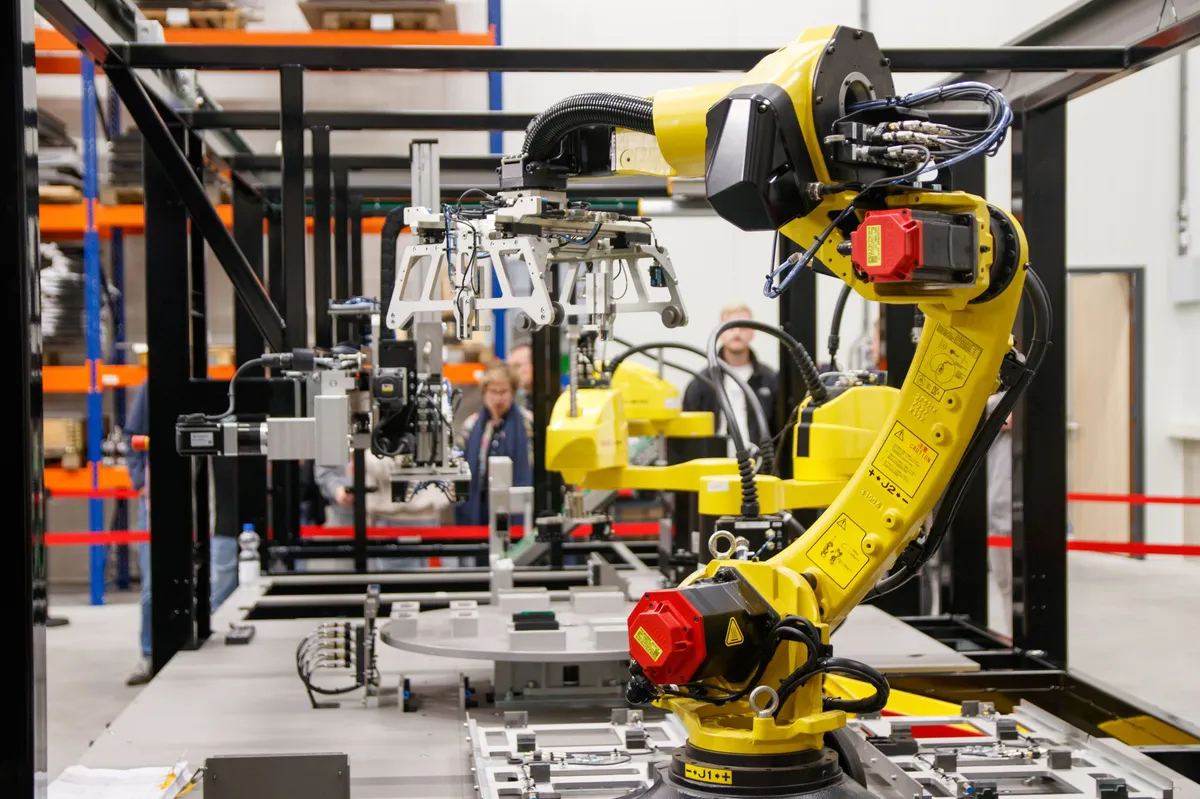
Many companies in the physical AI sector are leveraging lessons learned from autonomous vehicle (AV) development. The autonomous vehicle industry has made significant strides, particularly in data collection, as cars driven by humans provide vital information for training AI systems. As a result, autonomous vehicles are currently the most advanced category of robots.
Companies such as Tesla and Wayve are investing heavily in robotics, with Tesla developing its Optimus robot and Wayve launching dedicated robotics labs. Their approach emphasizes the importance of building a robust data infrastructure and machine learning operations (ML ops) to facilitate the development of humanoid robots.
Hardware Considerations
While some leaders in the industry, like Alex Kendall, CEO of Wayve, advocate for an agnostic hardware approach, others like Théophile Gervet, CEO of Genesis AI, argue for a co-design strategy that integrates hardware and AI. This debate highlights the diverse perspectives on how best to create effective physical AI solutions.
Specialization vs. Generalization
Another critical consideration in the world of physical AI is the tension between specializing in specific tasks versus pursuing a general-purpose robot model. Companies like Gritt, Agility, and Bedrock are prioritizing task-specific robots that can perform concrete jobs, such as operating solar farms or excavators, while more generalized humanoid robots remain confined to research labs.
According to Gervet, focusing on specific verticals not only generates revenue but also yields valuable data from real-world deployments. This data is essential for refining AI models and ensuring they work effectively in practical scenarios. For instance, Bedrock is using excavation tasks as a foundation to develop a broader intelligence layer applicable across various construction equipment.
Future Possibilities: The 'ChatGPT Moment' for Robotics
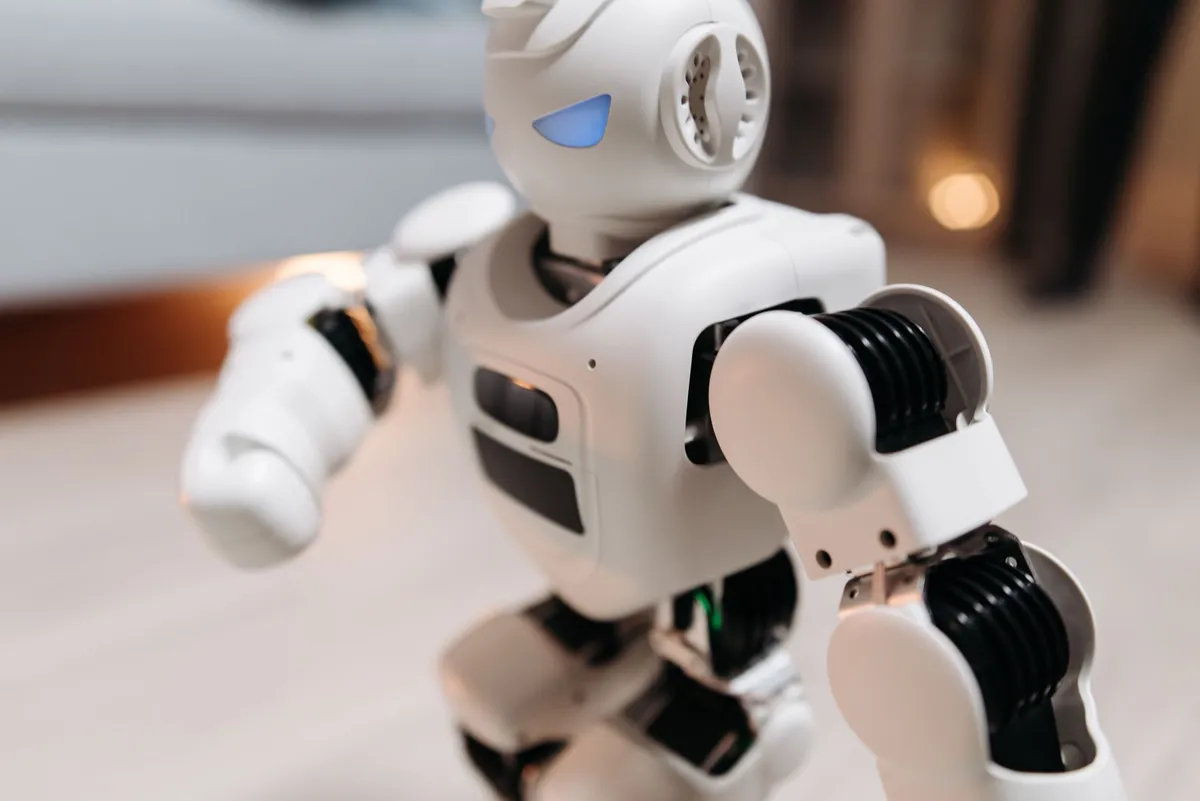
As discussions around the future of physical AI unfold, industry leaders are speculating about what the pivotal moment—the so-called “ChatGPT moment”—will look like for robotics. For Kendall, this moment would signify a breakthrough in consumer robotics, where autonomous capabilities become accessible for less than $1,000. Such affordability could democratize advanced robotics, making it a viable option for everyday consumers.
Gervet envisions a future where robots can perform basic manipulative tasks reliably out of the box, akin to the user-friendly experience offered by ChatGPT. This vision includes the ability to interact with robots through natural language, allowing users to instruct them to perform various tasks with a high degree of reliability.
The Distribution Challenge
Foxglove’s CEO, Adrian Macneil, presents a different perspective, arguing that the unique distribution challenges faced by robotics may prevent a sudden breakthrough akin to ChatGPT. He emphasizes the gradual evolution of robotics rather than a single moment of widespread adoption. The goal is to create consumer robots that can perform useful and entertaining tasks in everyday settings.
Key Takeaways
- Physical AI is a rapidly evolving field with significant venture capital investment.
- The lack of high-quality training data remains a major hurdle for robotics development.
- Specialization in specific tasks may provide more immediate value than pursuing general-purpose robots.
- Future breakthroughs in physical AI may require innovative approaches to data collection and hardware design.
- Consumer accessibility remains a crucial factor for the widespread adoption of robotics.
Frequently Asked Questions
What is physical AI?
Physical AI refers to the integration of artificial intelligence into robotic systems, enabling machines to perform tasks autonomously in the physical world. This technology aims to create robots that can operate in various environments and adapt to different tasks, from manufacturing to household chores.
Why is high-quality training data important for robotics?
High-quality training data is essential for developing reliable AI models that can effectively perform tasks in real-world settings. Without diverse and accurate data, robots may struggle to understand their environment, leading to inefficiencies and failures in task execution.
What challenges do companies face in the physical AI sector?
Companies in the physical AI sector face several challenges, including the need for high-quality training data, the complexity of creating generalized robots, and competition between specialized and general-purpose models. Additionally, the distribution of robotic technology to consumers presents unique hurdles compared to software solutions.
What could signify a breakthrough in consumer robotics?
A breakthrough in consumer robotics may occur when advanced robotic systems become affordable and reliable enough for everyday consumers to use in their homes. This could involve the development of robots capable of performing practical tasks with minimal user intervention, similar to how software like ChatGPT has transformed access to AI.
Comments
Transforming AI Training: How Arga Labs is Redefining Agentic Systems
Arga Labs is pioneering a new approach to train AI agents for enterprise applications, addressing the complexities that traditional methods struggle to handle. With a recent $10 million seed funding, they aim to enhance how AI interacts with business software, promising significant advancements in efficiency and accuracy.

Related articles
Popular in AI Tools
- OpenAI's GPT-Live: Transforming Voice Interaction with AI
- SpaceX's Grok 4.5: Disruption in AI Coding at Unmatched Prices
- Gaming Data: The Future of Training AI for General Intelligence
- OpenAI's GPT-5.6: A New Era for Microsoft Copilot and Beyond
- The AI Deployment Dilemma: Balancing Autonomy and Governance